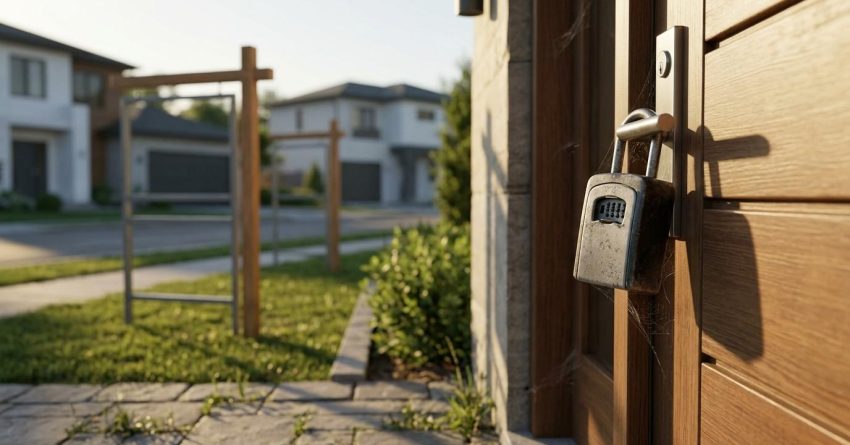
You should start worrying about a house not selling once it sits on the market beyond 60 days without serious offers, especially in an active USA market. After this point, buyer perception shifts, agents lose momentum, and the listing risks becoming stale. Knowing when concern is justified, and what to fix, helps homeowners, landlords, and property managers act early before price reductions become unavoidable.
When Should You Start Worrying About a House Not Selling?
Concern is reasonable when a home crosses 60 days on market without offers, but the real warning comes at 90 days. Past that point, buyers assume something is wrong, agents stop showing it, and the listing carries a stigma that’s hard to reverse without meaningful changes.
The 30-Day Benchmark
The first 30 days are the highest-visibility window for any listing. Most serious buyers view a property within this period because syndication is fresh and search alerts trigger early. If showings are steady but offers are absent, the issue is usually pricing or condition rather than exposure. If showings themselves are rare, the listing presentation, photos, or marketing approach needs review before any deeper concern sets in.
The 60–90 Day Warning Zone
Between 60 and 90 days, urgency builds. Showing volume drops sharply, buyer interest cools, and competing listings start to look fresher. This is the point where homeowners should audit pricing against recent comparable sales, evaluate property condition, and inspect feedback patterns from past showings. Acting in this window often prevents the steeper discounts that sellers face once a listing crosses 120 days and gets labeled stale.
Recognizing the timeline is one part of the answer. The other is identifying what’s quietly working against the sale. Most stalled listings respond well to targeted repairs before relisting, which address the conditions buyers silently reject during walkthroughs.
Common Reasons a House Isn’t Selling
Stagnant listings almost always trace back to one of three issues: price, condition, or presentation. Overpricing is the most common, but visible repair needs, dated finishes, poor lighting in photos, and cluttered staging are equally damaging. Buyers in the USA market today expect move-in-ready homes, and small deferred maintenance items often signal larger hidden problems.
Condition, Pricing, and Presentation Issues
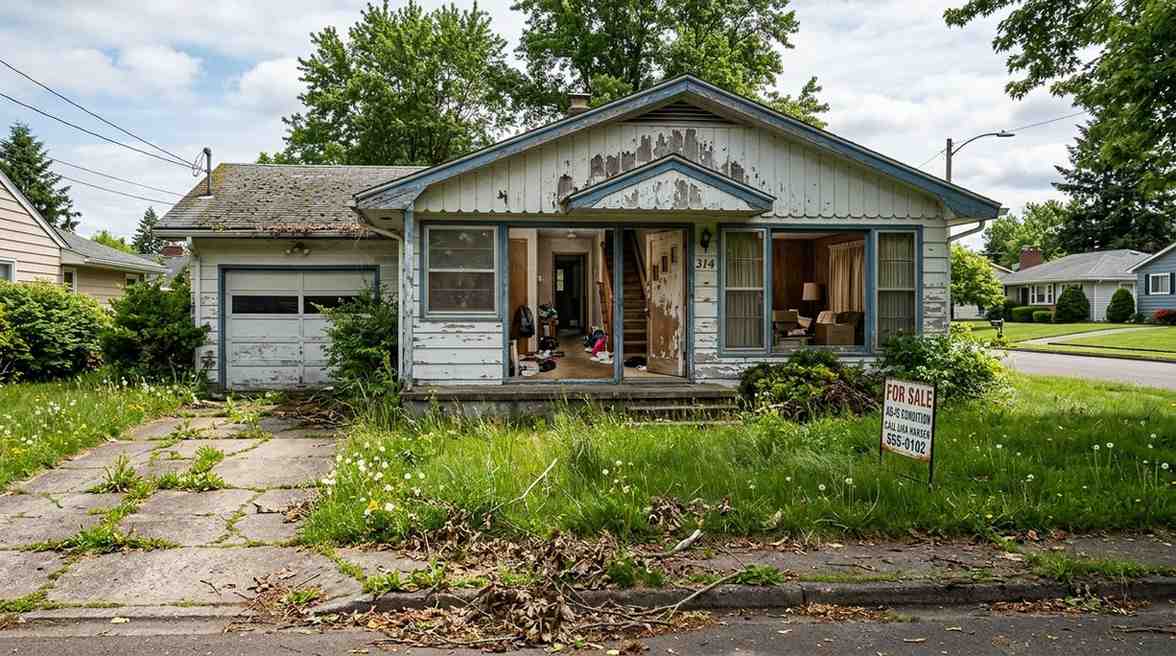
Plumbing leaks, worn flooring, peeling paint, and aging HVAC systems cause buyers to walk away or submit low offers. Pricing must reflect current comparables, not the original list date. Presentation issues, including poor photography and uncleaned interiors, reduce online click-through rates. Investing in deep cleaning and staging prep restores the visual quality that listing photos depend on, and that first impressions reinforce during in-person showings.
What to Do When Your Home Has Been Listed Too Long
Start by reviewing showing feedback for repeating themes. Adjust pricing based on recent sold comparables, not active competition. Refresh listing photos after completing repairs, painting, and decluttering. Address visible exterior issues, since refreshed curb appeal often changes drive-by impressions overnight. Consider a brief delisting period to reset days-on-market counters once meaningful improvements are completed. Coordinated action across condition, price, and marketing typically restores buyer interest within weeks rather than months.
Conclusion
A house becomes a concern after 60 days without offers and a serious problem past 90 days. Acting early on price, condition, and presentation prevents costly reductions.
Homeowners, landlords, and property managers across the USA who address stagnation quickly preserve property value and shorten time to closing.
We help you fix what’s slowing your sale. Contact Mr. Local Services today for trusted repair, cleaning, and improvement experts ready to act.
Frequently Asked Questions
Is 30 days too long for a house to be on the market?
Not usually. 30 days is within normal range in most USA markets. Concern grows only if showings are minimal or feedback signals pricing or condition problems.
What is considered too long for a house to sit on the market?
Beyond 90 days without offers is widely considered too long. Listings past this point lose visibility, attract lowball offers, and often require price reductions or repairs.
Should I take my house off the market if it’s not selling?
Yes, if meaningful improvements are planned. Delisting briefly resets days-on-market counters, allowing repairs, staging, and new photography to relaunch the listing with renewed buyer interest.
Does a price drop help a stale listing?
Often yes, but only when paired with condition or presentation improvements. A price drop alone signals desperation; combined with upgrades, it repositions the home competitively.
What repairs add the most value before relisting?
Paint, flooring, plumbing fixes, HVAC servicing, and curb appeal updates deliver the strongest return. These address the visible and functional issues buyers weigh most heavily.