Key bumping is a quiet, fast lock-picking technique that uses a specially cut key, called a bump key, to open most standard pin tumbler locks in seconds. It leaves little to no visible damage, which makes it a favorite method among burglars targeting homes and rental properties. For homeowners, landlords, and property managers across the USA, understanding how key bumping works is the first step toward stopping it before it ever happens.
What Is Key Bumping?
Key bumping is a covert entry method where an intruder inserts a filed-down “bump key” into a standard pin tumbler lock and strikes it lightly to force the internal pins to jump, allowing the cylinder to turn. The technique requires minimal skill, takes only seconds, and rarely damages the door or lock.
Bump keys are inexpensive, easy to obtain, and effective on a large share of residential locks installed across American homes. That accessibility is what makes key bumping a real risk rather than a rare threat. The good news: prevention is straightforward once you know which locks are vulnerable and which upgrades shut the method down completely.
How a Bump Key Works
A bump key is cut to the lowest possible depth on every ridge, creating a “999 key.” When inserted and tapped with a small hammer or screwdriver handle, the impact transfers energy to the lock’s spring-loaded driver pins. For a fraction of a second, the pins separate at the shear line. A slight turning pressure during that instant rotates the cylinder and opens the lock. The whole process can take under five seconds.
Why Standard Pin Tumbler Locks Are Vulnerable
Most residential deadbolts and knob locks use the same pin tumbler design that has existed for decades. Their pins, springs, and shear-line geometry are predictable, which is exactly what bump keys exploit. Builder-grade locks, older hardware, and budget brands offer almost no resistance. Without security pins, tighter tolerances, or sidebar mechanisms, these locks rely on the assumption that an attacker lacks the right key, an assumption a bump key removes.
Knowing the threat is one part of the answer. Acting on it requires the right hardware and, in many cases, professional locksmith services to assess and reinforce every entry point.
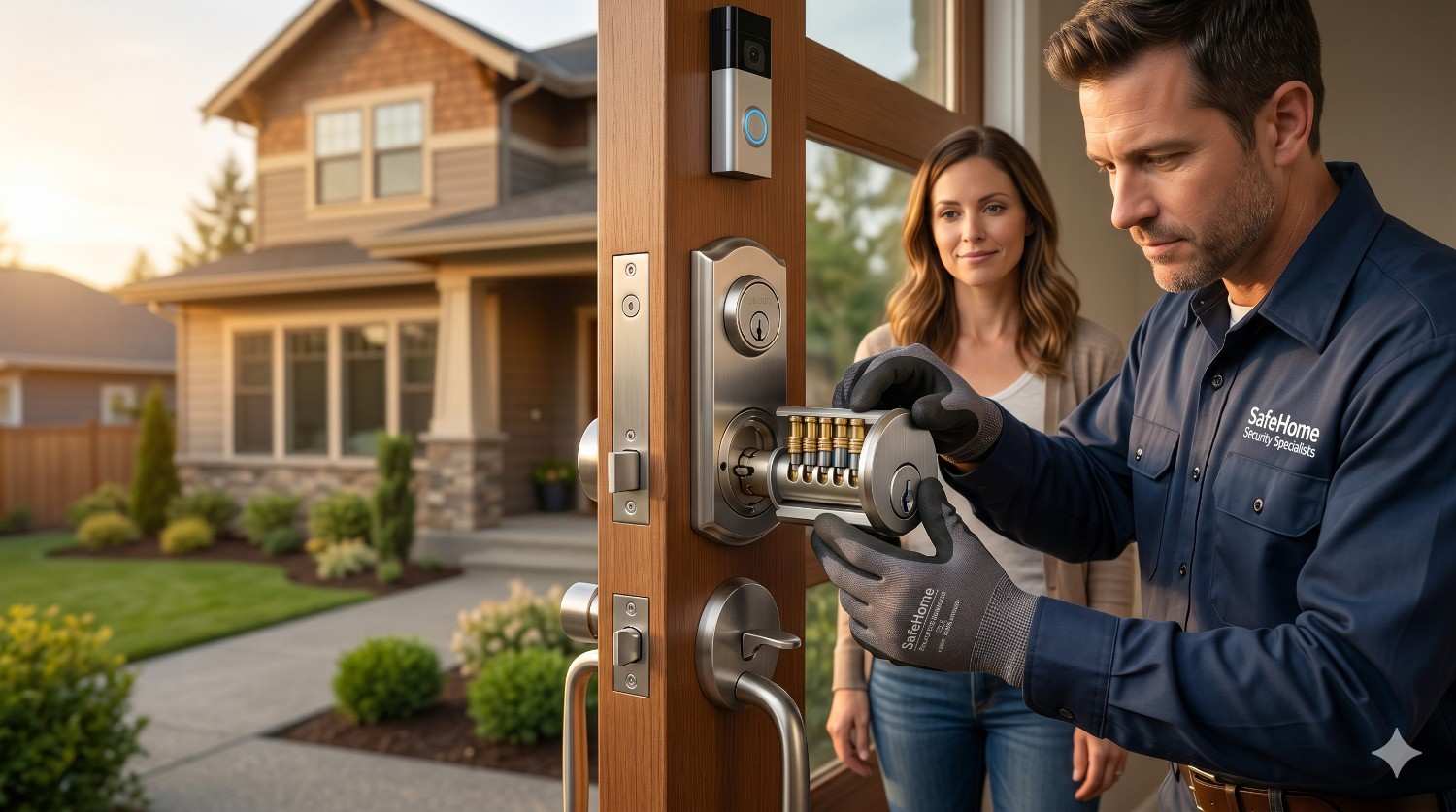
How to Prevent Key Bumping at Home
Prevention comes down to replacing or reinforcing vulnerable hardware. The most reliable step is upgrading to bump-resistant locks that use security pins, sidebars, or rotating disc mechanisms designed to defeat the bumping motion entirely.
Look for locks rated under ANSI Grade 1 or labeled UL 437, which signals tested resistance to picking and bumping. Brands offering high-security cylinders, smart deadbolts with keyless entry, or restricted keyways are strong choices for both homes and rental units.
Lock Upgrades and Reinforcements That Stop Bumping
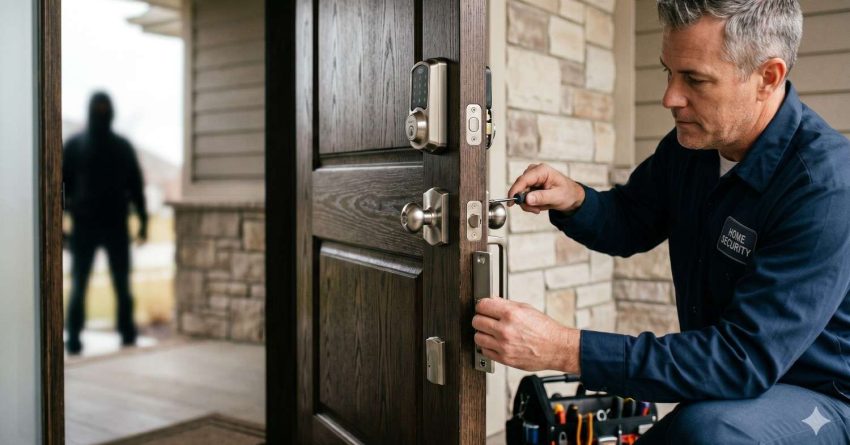
Beyond the lock itself, layered measures matter. Install strike plates with three-inch screws so doors resist forced entry. Add a secondary deadbolt or door reinforcement plate on exterior doors. Consider smart locks with no traditional keyway, which removes the bumping vector completely. For landlords and property managers, rekeying after every tenant turnover and standardizing high-security hardware across units protects both occupants and liability exposure.
Signs Your Lock May Have Been Bumped
Key bumping rarely leaves obvious damage, but small clues remain. Look for tiny dents or scratches around the keyway, a lock that suddenly feels looser when turning, or pins that stick. Doors opening without resistance when you expected them to be locked, or jewelry and small valuables missing without forced-entry signs, are red flags. If anything feels off, have a locksmith inspect the cylinder and rekey or replace it immediately.
Conclusion
Key bumping exploits standard pin tumbler locks using a cheap, fast technique, but bump-resistant hardware and reinforced doors eliminate the risk almost entirely.
For homeowners and property managers, lock security ties directly into broader home security improvements that protect occupants, tenants, and long-term property value.
We help you secure every door with the right hardware and trusted technicians. Contact Mr. Local Services today to schedule a lock assessment.
Frequently Asked Questions
Is key bumping illegal in the USA?
Possessing a bump key is legal for licensed locksmiths and homeowners testing their own locks, but using one on someone else’s property is illegal across all states.
Can smart locks be bumped?
Smart locks without a traditional keyway cannot be bumped at all. Hybrid models with a physical key backup remain vulnerable unless built with bump-resistant cylinders.
How much does it cost to upgrade to bump-proof locks?
Most high-security residential deadbolts cost between $80 and $300 per door, plus professional installation, depending on brand and grade selected.
Will my homeowners insurance cover a key bumping break-in?
Most policies cover theft regardless of entry method, but a lack of forced-entry evidence can complicate claims. Document any suspicious signs immediately.
Can a regular locksmith install bump-resistant locks?
Yes. Qualified locksmiths supply, install, and rekey high-security and bump-resistant locks for residential, rental, and commercial properties nationwide.