The most common place people lose their keys is inside their own home. Studies on everyday misplaced items consistently rank house keys among the top three. Familiar surroundings create autopilot behavior, and keys get set down on couches, counters, or coat pockets without a second thought. For homeowners, landlords, and property managers across the USA, understanding where keys vanish most often is the first step toward preventing lockouts, protecting property access, and knowing when to call a trusted professional for help.
The Most Common Place People Lose Their Keys
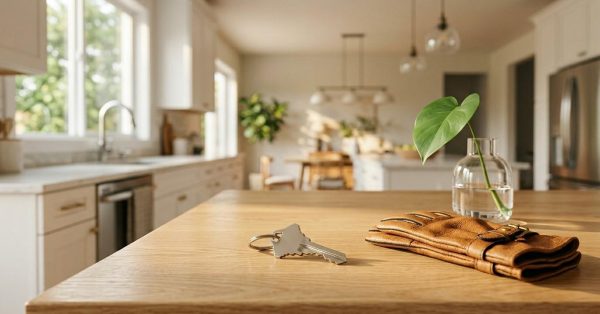
Keys are lost most frequently inside the home, with the living room, kitchen, and entryway accounting for the majority of misplaced sets. An estimated 20 minutes per week is spent by the average adult searching for misplaced items, and house keys consistently rank in the top three. Familiar environments dull attention, making the home the primary loss zone.
Why the Home Is the #1 Loss Zone
Home is where routines run on autopilot. People walk in carrying bags, mail, groceries, or children, and keys get dropped on the nearest surface without conscious thought. Coat pockets, laundry baskets, kitchen counters, and entry tables become temporary storage that’s forgotten within minutes. Landlords and property managers handling multiple sets face an even higher risk because keys move between properties, vehicles, and shared offices. The more familiar the space, the less the brain registers where small objects land.
High-Risk Spots Inside the House
The highest-risk spots inside a home are predictable. Sofas and couch cushions trap keys that slip from pockets. Kitchen counters collect keys placed beside groceries. Entry tables and bowls work only when the habit holds. Laundry rooms swallow keys left in pants pockets. Junk drawers, coat closets, and under-bed areas absorb keys during quick clean-ups. For property professionals managing several keysets, unmarked hooks, desk drawers, and vehicle consoles create constant confusion that leads to lost or misidentified keys.
Knowing where keys disappear is one part of the picture. Knowing where to turn when they don’t reappear is the other, which is why fast access to emergency locksmith help nearby matters for any homeowner or property manager.
Common Places People Lose Keys Outside the Home
Outside the home, keys most often go missing in vehicles, workplaces, and public spaces. Car seats, cup holders, gym lockers, restaurant tables, and parking lots are leading culprits. Grocery store carts, gas station counters, and shopping bags also rank high.
Public Spaces, Cars, and Workplaces
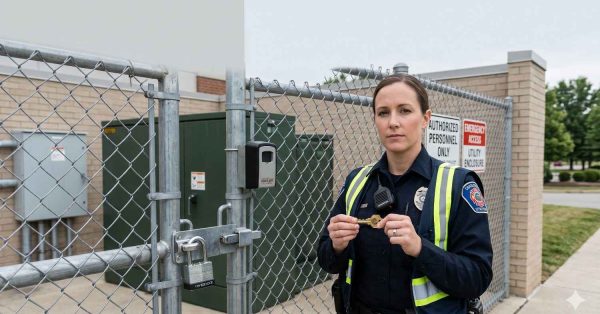
Vehicles are the second-largest loss zone after the home. Keys slide between seats, fall under floor mats, or get locked inside during a rushed exit. Workplaces follow closely, with desk drawers, breakroom counters, and office bags absorbing keysets daily. Public spaces add complexity because keys left behind on a counter, bench, or table may not be recoverable. For property managers carrying multiple sets across job sites, labeled keyrings and dedicated storage reduce risk significantly.
What to Do When You Can’t Find Your Keys
Start with a calm, systematic search of the last three places you remember being. Check pockets, bags, and surfaces near each entry point. Look in unusual spots like trash bins, laundry, and between cushions. If the search fails, secure your property by changing locks or rekeying your home locks to prevent unauthorized access, especially when keys are lost in public.
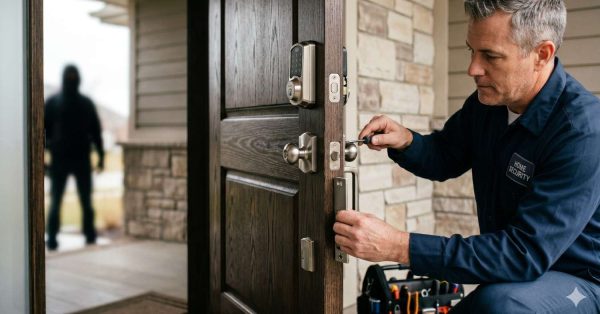
For lockouts, a licensed locksmith can restore access quickly without damaging doors or frames. Property managers should keep a verified locksmith contact on file to handle tenant lockouts and key replacements without delays.
Conclusion
Most lost keys are found inside the home, with vehicles and workplaces close behind. Familiar routines and crowded surfaces explain why even careful people misplace keysets regularly.
For homeowners and property managers, prevention starts with designated storage and ends with knowing a reliable professional is ready when keys truly disappear.
When keys go missing or locks need attention, we at Mr. Local Services connect you with trusted local locksmiths fast. Get expert help today.
Frequently Asked Questions
What is the #1 most lost item in a home?
Keys consistently rank in the top three most lost household items, alongside phones and remote controls, with the living room being the most common loss zone.
How often do people lose their keys?
The average adult misplaces their keys roughly once a week, with full key loss requiring replacement happening about twice per year for most households.
Should I change my locks if I lose my keys?
Yes, if keys are lost outside the home or in unknown locations. Rekeying or replacing locks protects against unauthorized access and is recommended by security professionals.
Can a locksmith make a new key without the original?
Yes, a licensed locksmith can create a new key using your lock cylinder, vehicle VIN, or property records, often on-site within minutes.
How can I stop losing my keys at home?
Use a dedicated hook, bowl, or tray near your main entry point. Building a one-spot habit eliminates most home key losses within a few weeks.