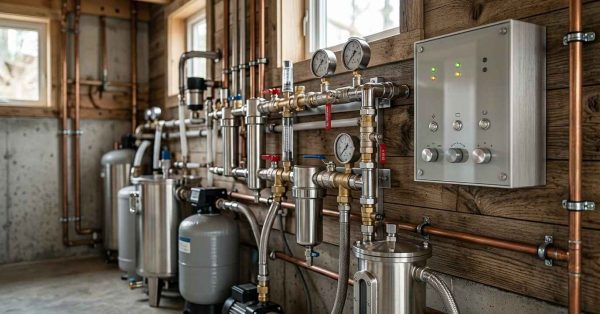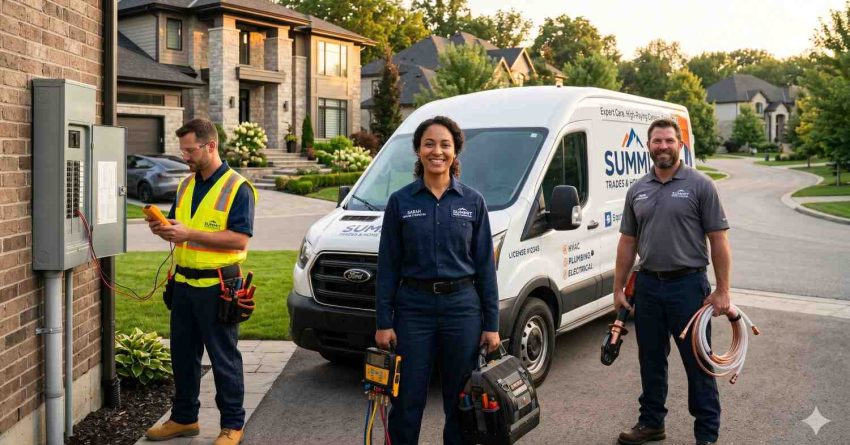
The easiest job to make $100K a year is a skilled trade in the home services industry, such as HVAC, plumbing, or electrical work. These careers require shorter training periods than traditional four-year degrees, offer steady demand, and reward experience with strong six-figure earnings. For homeowners, landlords, and property managers, these are also the professionals keeping properties safe and functional, which is why their work commands premium pay across the United States.
The Easiest Path to a $100K Income
The easiest jobs to reach $100,000 annually are skilled home service trades. HVAC technicians, master plumbers, licensed electricians, and senior handymen consistently hit six figures with two to four years of training, steady demand, and the option to run independent service businesses. No four-year degree required.
Why Skilled Home Service Trades Top the List
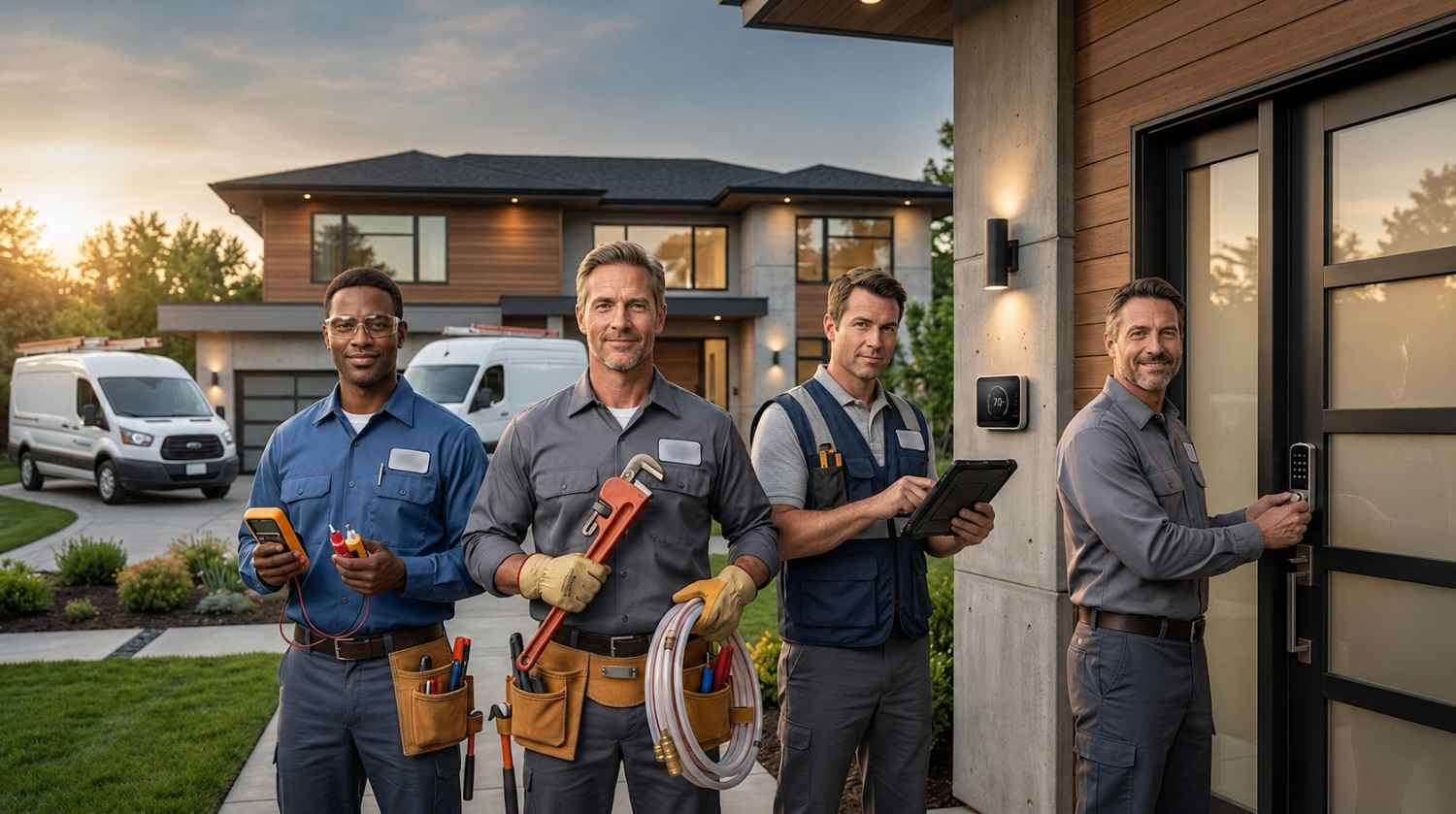
Skilled trades dominate the easiest-to-$100K list for three reasons. Demand is constant because every home, rental, and commercial property needs maintenance, repair, and emergency service. Training is short, often through trade schools, apprenticeships, or certifications. Compensation grows fast once a worker becomes licensed, gains experience, or moves into specialty work like commercial HVAC or new-construction electrical. Property managers and landlords pay premium rates for reliability, which pushes wages higher in metro markets nationwide.
Common Traits of Six-Figure “Easy” Jobs
The “easy” label here means low entry barriers, not low effort. These roles share predictable traits: practical skills over academic credentials, hands-on training that pays during the learning phase, strong job security, and ownership potential. A licensed tradesperson can move from employee to subcontractor to business owner within a decade. Earnings scale with skill, certifications, and reputation, so the path to $100K is structured rather than speculative for motivated workers.
The fundamentals explain the income. The next layer is which skilled home service careers actually deliver the strongest returns.
High-Paying Home Service Jobs That Hit $100K
Several home service roles routinely cross the six-figure mark. HVAC technicians earn premium rates for installation and emergency repair. Master plumbers command high hourly fees for licensed work. Electricians scale earnings through commercial contracts and specialty certifications. Roofers, remodelers, and tree service operators often exceed $100K once they manage crews or own a service truck. Locksmiths, pest control specialists, and water damage restoration pros also reach six figures through emergency-service pricing and recurring contracts with property managers.
HVAC, Plumbing, and Electrical as Reliable Earners
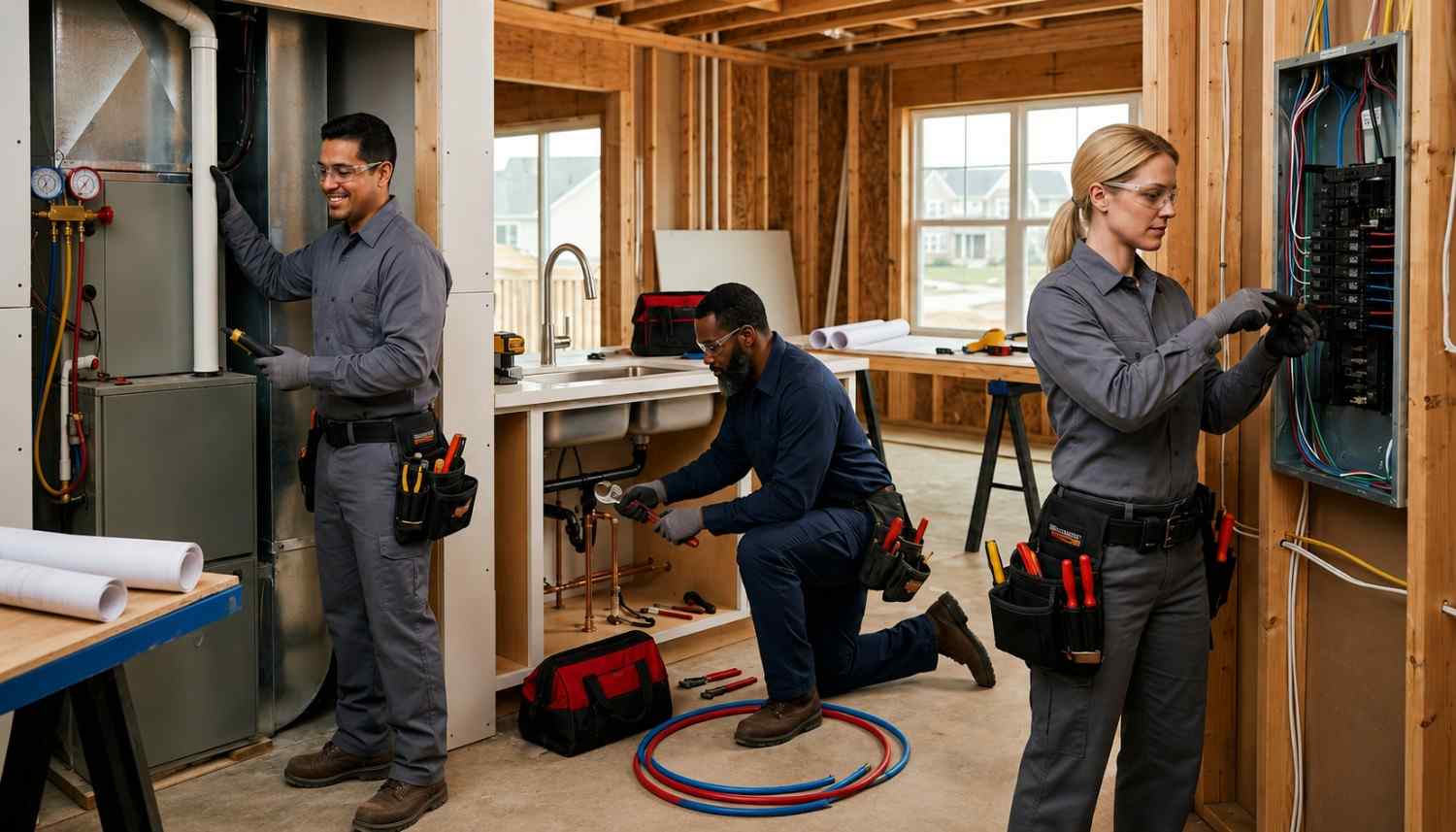
These three trades are the most consistent six-figure paths in residential and commercial property work. A career in HVAC services rewards technicians who handle complex systems, year-round demand, and emergency calls.
Licensed plumbing work pays strongly for repair, installation, and code-compliant remodeling.
Electricians earn premiums for safety-critical work, panel upgrades, and commercial wiring across growing housing markets.
How to Realistically Reach $100K in a Trade Career
Reaching $100K requires a clear path: complete an apprenticeship or trade program, earn state licensing, build two to five years of field experience, then specialize or go independent. Specialization in commercial systems, restoration, or high-end remodeling lifts hourly rates significantly. Independence multiplies earnings further. Owning a small service operation, even with one truck and a steady client base of homeowners, landlords, and property managers, often pushes annual income well past six figures within five to seven years of starting.
Conclusion
The easiest job to make $100K a year is a skilled home service trade, where short training paths and high demand make six-figure earnings practical and repeatable.
For homeowners, landlords, and property managers, these are also the professionals who keep properties safe, functional, and valuable year-round.
We at Mr. Local Services connect you with trusted, six-figure-caliber pros for every home service need. Book reliable experts today.
Frequently Asked Questions
What is the easiest six-figure job without a degree?
Skilled home service trades like HVAC, plumbing, and electrical work are the easiest six-figure jobs without a four-year degree, requiring licensing and field experience instead.
How long does it take to make $100K in a trade?
Most tradespeople reach $100,000 within five to seven years through licensing, specialization, or starting an independent home service business serving residential and commercial clients.
Which home service job pays the most?
HVAC, master plumbing, electrical, and restoration services typically pay the most, especially for licensed professionals handling emergency calls or commercial property contracts.
Is a trade career worth it for $100K?
Yes. Trades offer fast training, strong demand, ownership potential, and reliable six-figure income, making them one of the most practical paths to financial stability.
Do home service businesses earn over $100K?
Established home service businesses regularly earn well above $100,000 annually, especially when serving steady clients like landlords, property managers, and real estate professionals.