A toilet will flush without a vent pipe, but only weakly, briefly, and with serious side effects. The vent pipe equalizes air pressure inside your drain system, allowing waste and water to move freely. Without it, flushes turn sluggish, sewer gases enter the home, and drains gurgle. Understanding why venting matters helps homeowners and property managers protect plumbing performance, indoor air quality, and the long-term health of every fixture connected to the system.
Yes, But Only Briefly and Poorly
A toilet can technically flush once or twice without a working vent pipe, but the system fails fast. The vent pipe lets air enter the drain line so water and waste can move downward smoothly. Without that airflow, suction builds, the flush weakens, and waste lingers in the trap. Sewer gases also push back into the room.
What the Vent Pipe Actually Does
The vent pipe runs vertically from your drain system through the roof. It allows fresh air into the pipes, balancing the pressure that builds when water moves through the line. This balance prevents siphoning of trap water, controls odor, and protects fixtures across the home. Every toilet, sink, and tub depends on proper venting to drain correctly and stay sealed against sewer gas intrusion.
What Happens to a Flush Without Proper Venting
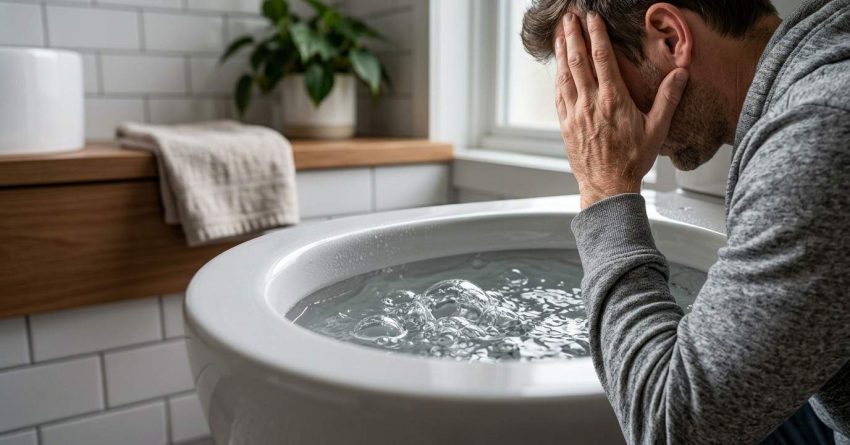
Without venting, a flush creates a vacuum behind the moving water. That vacuum slows drainage, pulls water out of nearby traps, and lets sewer gas escape into bathrooms. You may hear gurgling, smell rotten odors, or notice water rising slowly. Over time, waste buildup increases the risk of clogs, backflow, and damage to seals throughout the plumbing system.
The mechanics are clear, but spotting the problem early matters more. This is where professional plumbing services help homeowners diagnose vent issues before they damage the wider system.
Warning Signs Your Toilet Vent Is Blocked or Missing
Several symptoms point to a venting failure. Listen for gurgling sounds in sinks or tubs when the toilet flushes. Watch for slow drainage across multiple fixtures. Notice persistent sewer odors, especially after flushing. Bubbles rising in toilet water also indicate trapped air. These signs often appear together and worsen quickly. Tracking them alongside other common toilet problems helps property managers identify whether the issue is venting, clogging, or fixture-related.
Common Causes of Vent Pipe Failure
Vent pipes fail for predictable reasons. Bird nests, leaves, and debris block rooftop openings. Ice forms during winter and seals the pipe. Improper installation leaves the pipe undersized or routed incorrectly. Older homes sometimes lack proper venting entirely, relying on outdated workarounds. Each cause produces the same downstream result: pressure imbalance, weak flushes, and sewer gas exposure that affects bathrooms, kitchens, and laundry connections alike.
Fixes, Alternatives, and When to Call a Pro
Minor blockages can sometimes be cleared by inspecting the rooftop vent opening and removing visible debris. For deeper clogs, plumbers use augers and pressurized water to clear the line. If a vent pipe is missing entirely, an air admittance valve (AAV) offers a code-approved alternative in many jurisdictions. AAVs allow air into the system without a full roof vent, but they are not a universal substitute. Knowing when to hire a licensed plumber protects your home from costly mistakes and code violations.
Conclusion
A toilet needs a working vent pipe to flush properly, protect drain traps, and keep sewer gases out of the home. Skipping or ignoring venting damages plumbing performance and indoor air quality.
For homeowners, landlords, and property managers, addressing vent issues early preserves property value, prevents emergency repairs, and keeps every bathroom safe and functional year-round.
Need a vent pipe inspected, repaired, or installed? Contact Mr. Local Services today and connect with trusted plumbing professionals who deliver reliable, transparent results.
Frequently Asked Questions
Can I install an air admittance valve instead of a vent pipe?
Yes, in many areas an AAV is code-approved for individual fixtures, but local plumbing codes vary. Always verify with a licensed plumber before installation.
How long can a toilet work without a vent pipe?
A toilet may flush a few times before problems appear. Within days, gurgling, slow drainage, and sewer odors typically signal the venting failure clearly.
Does every toilet need its own vent pipe?
Not always. Multiple fixtures often share a vent stack, but each must connect properly. A licensed plumber confirms whether your configuration meets current code.
What does a blocked toilet vent sound like?
You will hear gurgling or bubbling in nearby drains during or after flushing. Slow drainage and persistent sewer smells often accompany the sound.
Can sewer gas from a missing vent harm my health?
Yes. Sewer gas contains methane, hydrogen sulfide, and other compounds that cause headaches, nausea, and respiratory irritation with prolonged exposure indoors.