Yes, police in the USA may unlock your car for free, but only in specific emergencies. Most departments respond when a child, pet, or vulnerable person is trapped inside, or when public safety is at risk. For routine lockouts, officers usually decline and recommend calling a licensed locksmith. Knowing the difference helps homeowners, landlords, and property managers act quickly during stressful situations and avoid wasted calls, delayed help, or unexpected damage to a vehicle door or lock.
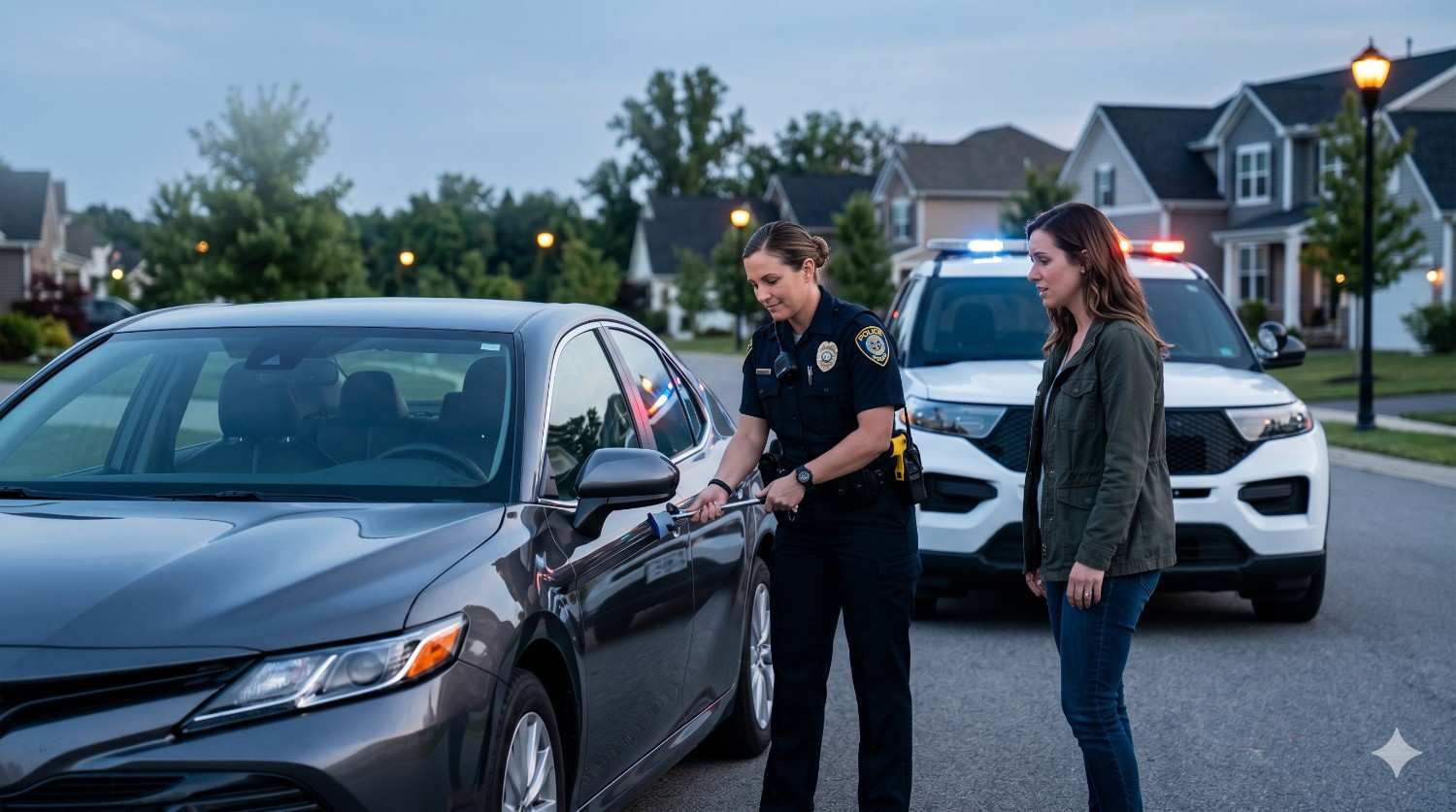
Do Police Unlock Cars for Free in the USA?
Police will unlock a car for free only during genuine emergencies, such as a child or pet locked inside on a hot day, a medical situation, or a public safety threat. For everyday lockouts where no one is in danger, most departments will not respond and will direct you to a licensed locksmith instead.
When Police Will Help With a Lockout
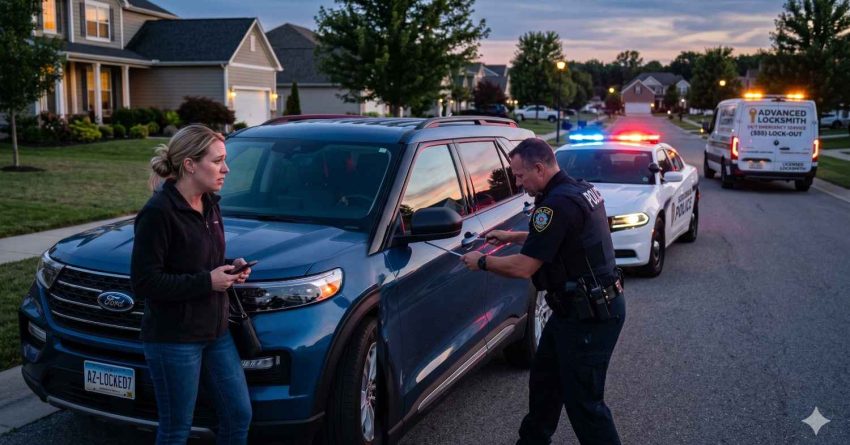
Officers typically respond when the situation involves immediate risk to life or health. A child strapped in a car seat, a pet trapped during high temperatures, or an elderly person showing signs of distress are all valid reasons. Officers may also help if the vehicle blocks traffic, sits in a hazardous location, or contains medication required for an emergency. Response time depends on call volume, and police priority remains active criminal incidents. If risk is real and visible, dialing 911 is the correct first step.
When Police Will Not Unlock Your Car
If you simply left your keys inside, no department guarantees a response. Most officers consider routine lockouts a civil matter handled by locksmiths. Liability is another reason. Forcing a door, prying a window, or using a slim jim can damage modern vehicles equipped with side airbags, sensors, and electronic locks. Many departments stopped offering this service years ago to avoid repair claims. Property managers handling tenant lockouts, fleet supervisors, and homeowners should plan ahead by saving a trusted locksmith contact for non-emergency situations.
Knowing when officers will assist is only half the answer. The next step is understanding what actually happens during the attempt and why most situations are better handled by a professional auto locksmith service trained for vehicle entry.
What Happens When Police Try to Unlock a Car
When officers do respond, they often arrive with limited tools, usually a basic long-reach kit or wedge. Their goal is fast access, not preserving the vehicle. Newer cars with reinforced frames, frameless windows, or push-button ignitions are difficult to open without specialized equipment. Officers may attempt entry only if the emergency clearly justifies the risk.
Risks of Damage and Liability Waivers
Most departments require the vehicle owner to sign a liability waiver before any entry attempt. This means you accept responsibility for bent door frames, scratched paint, broken weatherstripping, or triggered airbag sensors. Repair costs can range from a hundred dollars to several thousand for luxury or electric vehicles. A trained locksmith uses non-destructive tools designed for your specific make and model, which protects the vehicle and avoids the waiver process entirely.
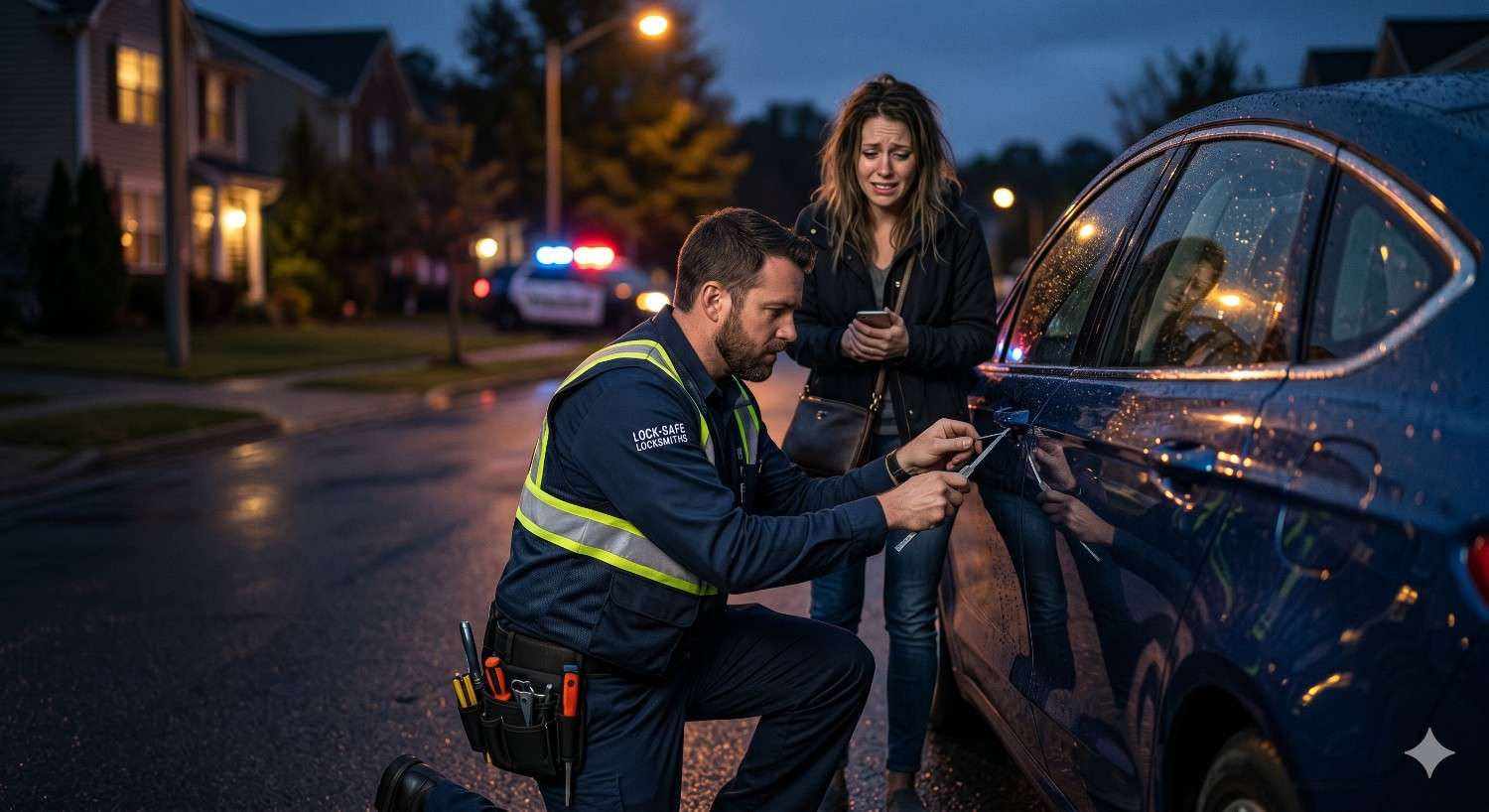
When to Call a Locksmith Instead of Police
For non-emergency lockouts, a licensed locksmith is faster, safer, and more reliable. Most arrive within thirty to sixty minutes, carry tools matched to your vehicle type, and complete entry without damage. They also assist with broken keys, transponder issues, and replacement fobs that police cannot handle. Reviewing typical locksmith pricing for lockouts helps property managers and homeowners budget realistically and avoid roadside scams.
Always confirm licensing, insurance, and upfront pricing before approving service. Reputable providers give a clear quote, show identification, and offer written receipts.
Conclusion
Police unlock cars for free only during true emergencies involving life, health, or public safety, while routine lockouts are handled by licensed locksmiths.
For homeowners, landlords, and property managers, planning ahead with round-the-clock emergency locksmith help prevents stress during urgent moments.
We connect you with trusted, licensed locksmiths fast. Call Mr. Local Services today for safe, affordable, and reliable lockout assistance.
Frequently Asked Questions
Will police break a window to unlock a car?
Only in life-threatening emergencies, such as a child or pet trapped in extreme heat. Otherwise, officers avoid causing vehicle damage.
How long does a police lockout response take?
Response times vary by call volume and priority. Emergency lockouts may take fifteen to thirty minutes, but non-emergencies often receive no response.
Is it cheaper to call police or a locksmith?
Police assistance is free when offered, but limited to emergencies. A licensed locksmith typically charges between $50 and $150 for standard car lockouts.
Can police unlock newer cars with electronic locks?
Usually no. Modern vehicles require specialized tools, and most departments lack the equipment, leaving locksmiths as the practical solution.
What should I do if I’m locked out at night?
Call a 24/7 licensed locksmith immediately. If a child, pet, or medical emergency is involved, dial 911 first for fast response.