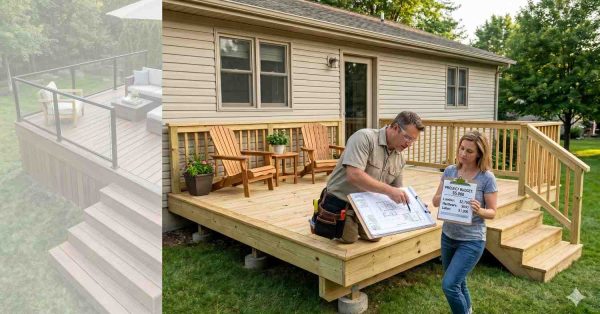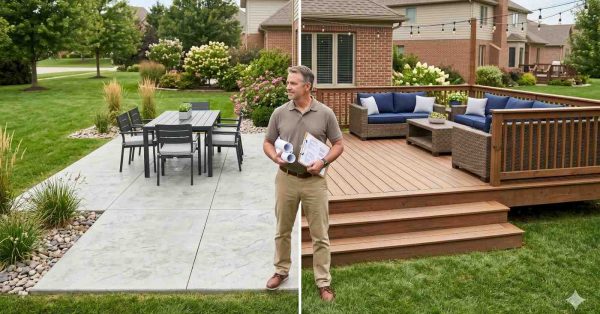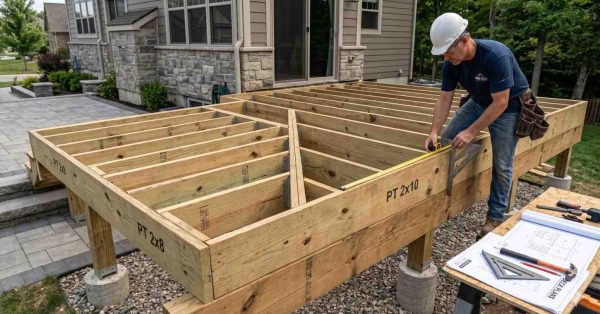
The most common deck building mistakes include skipping permits, choosing the wrong materials, undersizing footings, ignoring drainage, and poor fastener selection. These errors lead to safety hazards, premature rot, structural failure, and expensive rebuilds. Whether you manage a single home or multiple properties, knowing the 15 mistakes below helps you plan smarter, budget accurately, and choose qualified professionals who deliver a deck that lasts decades, not seasons.
The 15 Deck Building Mistakes Homeowners Should Avoid
Deck failures usually trace back to planning, materials, or finishing errors. Avoiding these 15 mistakes protects your investment, ensures code compliance, and extends the lifespan of your outdoor space across any U.S. climate zone.
Planning and Design Mistakes (1–5)
- Skipping building permits. Unpermitted decks fail inspections, hurt resale value, and may trigger fines. Always confirm local requirements before construction begins.
- Ignoring local building codes. Codes dictate railing height, joist spacing, and load capacity. Non-compliant builds become liabilities the moment someone gets injured.
- Poor site assessment. Sloped yards, drainage paths, and tree roots affect footing placement. A walkthrough prevents costly surprises mid-build.
- Undersized deck dimensions. Decks too small for furniture, grills, or gatherings get torn out within years. Plan around real usage, not minimum footprint.
- Forgetting sun, wind, and privacy. Orientation affects comfort. South-facing decks without shade become unusable in summer heat.
Structural and Material Mistakes (6–10)
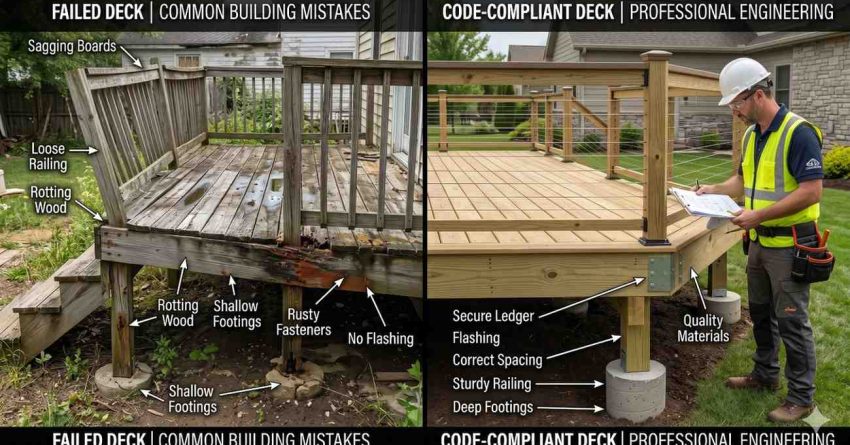
- Wrong footing depth. Footings must extend below the frost line. Shallow footings heave, twist, and separate from the structure in cold climates.
- Cheap or untreated lumber. Standard pine rots within five to seven years. Use pressure-treated, cedar, or composite materials rated for ground contact.
- Inadequate ledger board attachment. A poorly fastened ledger is the leading cause of deck collapse. Use lag bolts and flashing, never nails alone.
- Incorrect joist spacing. Spacing beyond 16 inches creates bouncy, unsafe surfaces. Composite decking often requires tighter spacing than wood.
- Mismatched fasteners. Galvanized screws corrode against treated lumber. Use stainless steel or coated fasteners rated for exterior chemical contact.
Finishing and Maintenance Mistakes (11–15)
- Skipping flashing. Without flashing, water seeps between the ledger and house, rotting framing inside the wall.
- Poor railing installation. Loose posts and wobbly rails fail safety codes and create fall risks. Anchor posts to framing, not decking.
- Ignoring drainage. Standing water accelerates rot. Slope boards slightly and leave gaps for runoff.
- No protective finish. Untreated wood weathers fast. Seal, stain, or paint within the first season to lock out moisture.
- Neglecting ongoing care. Even premium decks need annual cleaning, inspections, and resealing every two to three years.
Knowing the mistakes is the first step. The second is hiring qualified deck builders who handle permits, structural calculations, and finishing details correctly the first time.
Why These Mistakes Cost Homeowners More Over Time
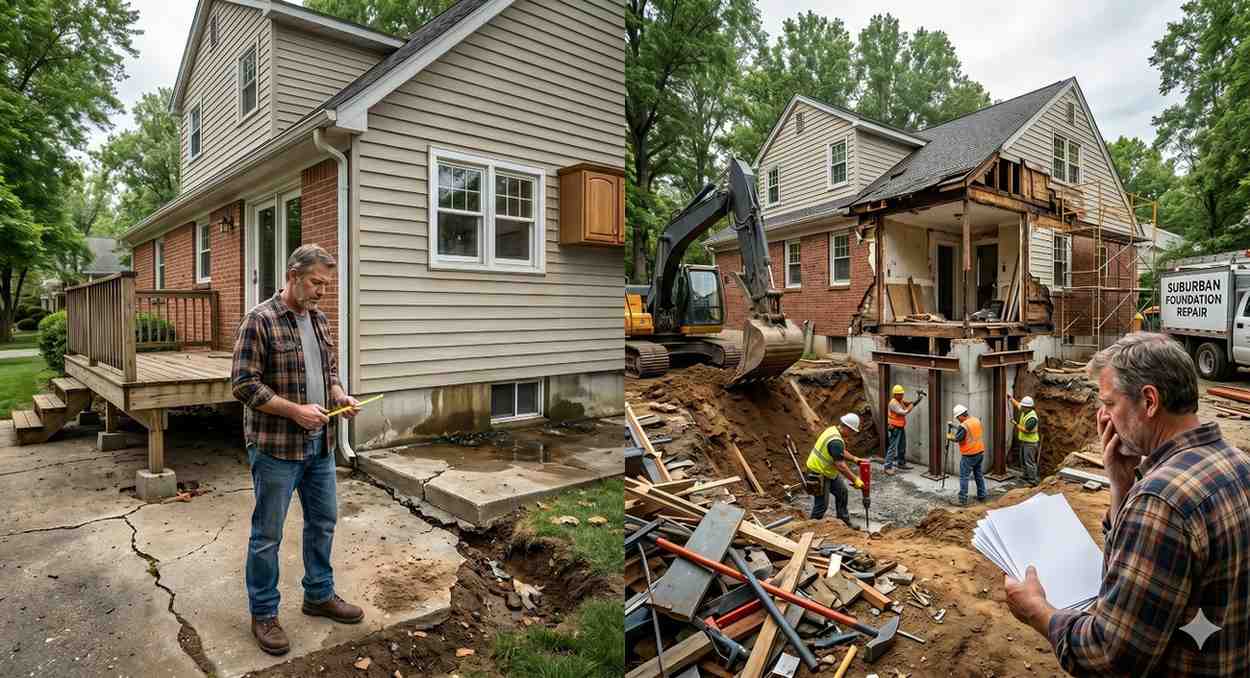
Cutting corners during construction multiplies costs later. A failed ledger board can cause structural collapse, leading to insurance claims and full rebuilds. Rotted joists from poor flashing often require tearing out finished decking to repair framing. Skipping permits can block a future home sale until corrections are made. Investing in proper construction and routine deck maintenance typically costs 30% to 50% less than reactive repairs over a 15-year span.
How to Avoid Deck Building Mistakes Before You Start
Start with a detailed plan that includes dimensions, materials, and intended use. Verify local building permits and code requirements with your municipality early. Choose a licensed, insured contractor with verifiable references and recent project photos. Request a written scope with material specs, fastener types, and warranty terms. Confirm footing depth, ledger attachment, and flashing details in writing. Schedule inspections at framing and final stages to catch issues before finishes go on.
Conclusion
Avoiding these 15 deck building mistakes protects your safety, budget, and property value across every season. Sound planning, quality materials, and code compliance deliver decks that last decades.
Homeowners and property managers who invest in proper construction now avoid the costly cycle of premature repairs, safety hazards, and resale complications later.
We connect you with vetted deck professionals who get it right the first time. Contact Mr. Local Services today to start your project with confidence.
Frequently Asked Questions
What is the biggest mistake people make when building a deck?
Poor ledger board attachment is the most dangerous mistake. A failing ledger causes most deck collapses, so flashing and lag bolts are essential, not optional.
Do I really need a permit to build a deck?
Yes, most U.S. municipalities require permits for decks over 30 inches high or attached to a home. Skipping permits risks fines and resale problems.
What is the most durable deck material?
Composite decking offers the longest lifespan with minimal maintenance, typically lasting 25 to 30 years. Cedar and pressure-treated pine remain popular wood options.
How often should a deck be inspected?
Inspect your deck annually for loose fasteners, cracked boards, rot, and railing stability. Schedule a professional inspection every three to five years.
Can I build a deck myself or should I hire a pro?
Small ground-level decks suit experienced DIYers. Elevated or attached decks involve structural risk, code compliance, and permits best handled by licensed professionals.