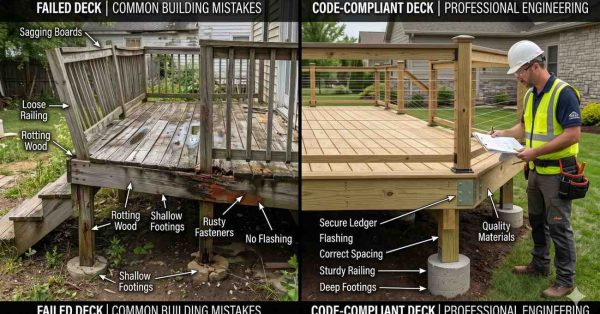
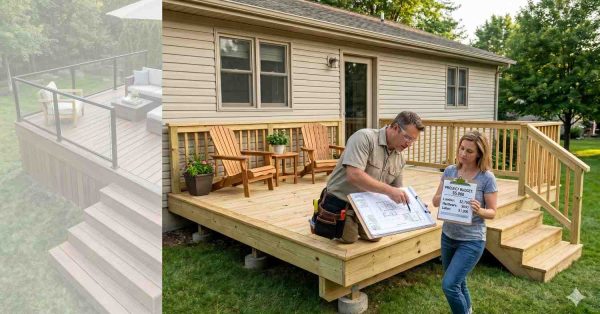
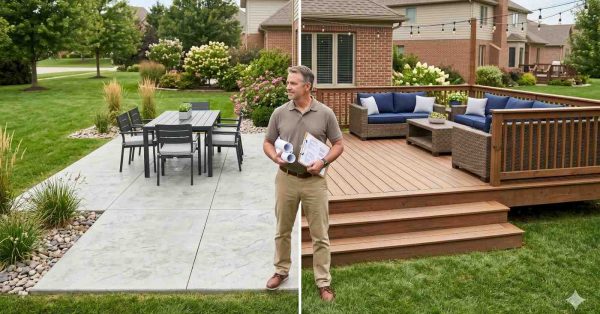
Yes, you should put something under a deck. Leaving the ground bare invites weeds, traps moisture, attracts pests, and shortens the lifespan of your deck framing. The right under-deck material protects the structure, controls drainage, and keeps the space beneath usable. Homeowners, landlords, and property managers gain real long-term value when this often-overlooked area is treated as part of the deck system, not separate from it.
Yes, You Should Put Something Under a Deck
Putting gravel, landscape fabric, or a similar barrier under a deck is strongly recommended. These materials block weed growth, improve drainage, reduce moisture buildup against joists and posts, and discourage rodents and insects from nesting. The result is a cleaner, drier, longer-lasting deck and a more manageable property overall.
Why Bare Ground Under a Deck Causes Problems
Exposed soil under a deck holds water after every rain. That moisture rises into the framing, accelerating rot in joists, beams, and posts. Weeds push through gaps in the boards, making the deck look neglected. Insects like termites and carpenter ants find the damp environment ideal. Rodents burrow easily into loose dirt. Each of these issues quietly damages the deck for years before becoming visible, and repair costs grow the longer they go unaddressed.
What Goes Under a Deck (Core Materials)
The most common materials are landscape fabric, gravel, crushed stone, and in some cases a poured concrete or paver surface. Landscape fabric blocks weeds while letting water pass through. Gravel adds drainage and weight to hold the fabric in place. Crushed stone works similarly and creates a cleaner finished look. Concrete pads are used when the under-deck area will be a patio, storage zone, or finished living space.
The right combination depends on deck height, soil type, and how the space will be used. Once the basics are in place, controlling weed growth under decks becomes far easier to manage long term.
How to Choose the Right Under-Deck Material
Material choice depends on three factors: deck height, drainage conditions, and intended use. Low decks under two feet need a thin, flexible solution. High decks allow more options, including patio surfaces and storage. Properties with poor drainage benefit from deeper gravel beds.
Gravel vs. Landscape Fabric vs. Concrete
Landscape fabric is the entry-level solution. It blocks weeds and costs little, but it needs gravel on top to stay anchored and last. Gravel alone improves drainage but allows weeds without fabric underneath. Concrete is the most durable and creates a usable surface, though it costs more and requires proper slope to drain water away from the home. For most residential decks, fabric topped with 3 to 4 inches of gravel offers the best balance of cost, performance, and longevity. If existing damage is already present, structural deck repair work should happen before any ground covering is installed.
Under-Deck Solutions for Low vs. High Decks
Low decks restrict access, so install fabric and gravel before construction or through removable boards. Use thin layers since clearance is limited. High decks allow workers to move freely underneath, opening options like pavers, concrete pads, drainage mats, and even ceiling systems that turn the lower area into a dry patio. Property managers often choose high-deck conversions to add usable square footage without expanding the home’s footprint.
Conclusion
Putting the right materials under a deck protects the structure, prevents pest and moisture damage, and keeps the space looking maintained year after year. The choice between fabric, gravel, or concrete depends on deck height and use.
Treating the under-deck area as part of the overall property plan pays off long term, especially when a contractor builds a new deck or upgrades an existing one.
At Mr. Local Services, we connect you with trusted deck professionals who handle under-deck protection, repairs, and full installations across the USA.
Frequently Asked Questions
Do I need gravel under my deck?
Gravel is highly recommended. It improves drainage, anchors landscape fabric, blocks weeds, and helps prevent moisture damage to the deck’s framing and posts.
Should I put plastic under my deck?
Avoid solid plastic sheeting. It traps water against soil and framing. Use breathable landscape fabric instead, which blocks weeds while allowing proper drainage.
How thick should gravel be under a deck?
Aim for 3 to 4 inches of gravel over landscape fabric. This depth controls weeds, manages drainage, and stays in place through seasonal weather changes.
Can I leave the ground bare under a deck?
Leaving bare ground invites weeds, pests, moisture, and rot. Even a basic fabric and gravel layer dramatically extends deck life and reduces maintenance.
Does landscape fabric stop weeds under a deck?
Quality landscape fabric blocks most weeds when installed properly with overlapping seams and weighted down by gravel or stone for long-term performance.