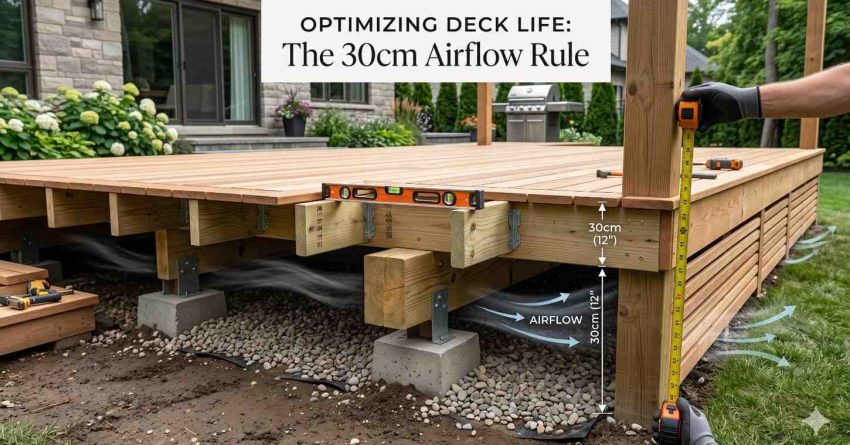
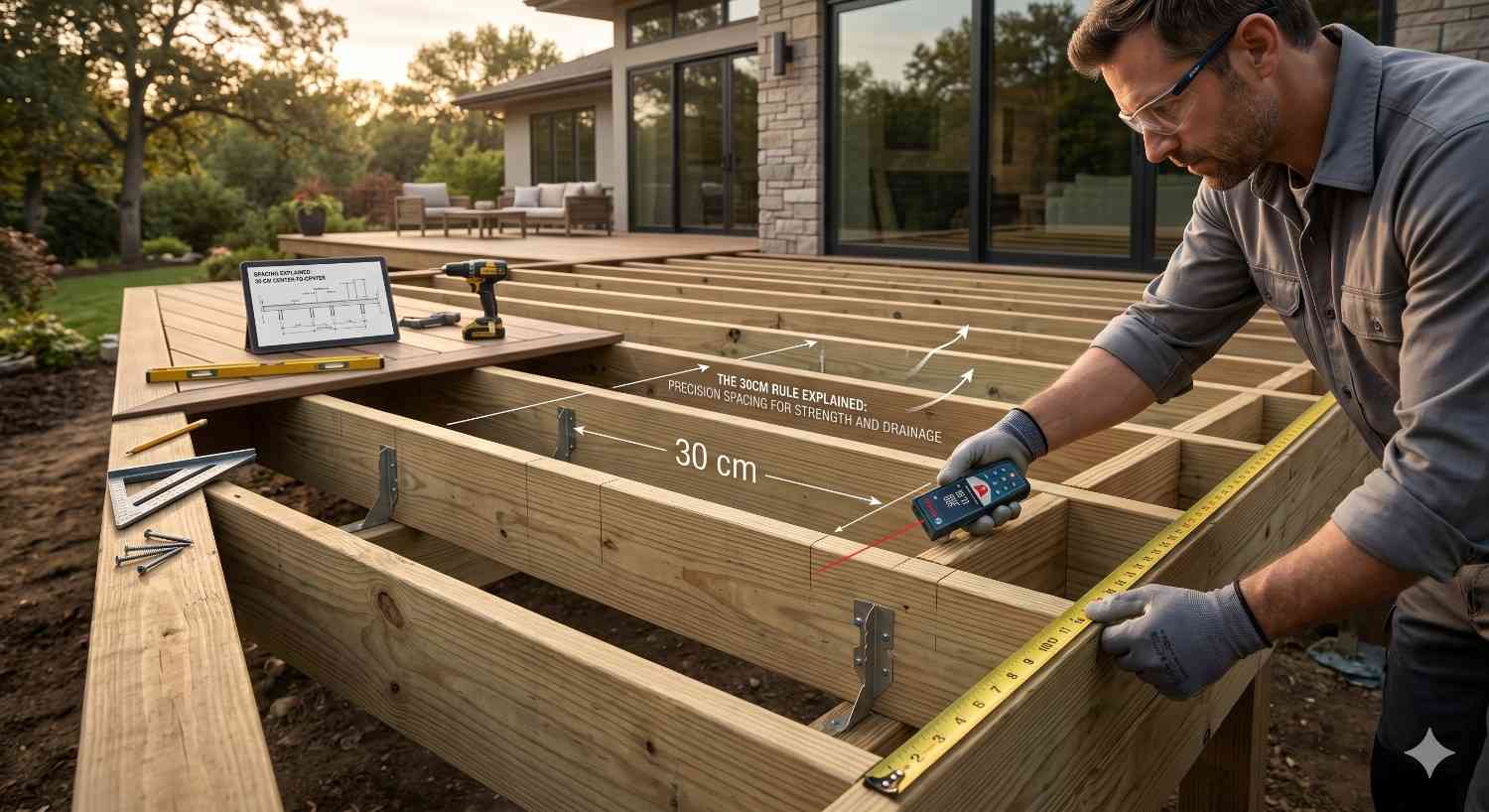
The 30cm rule for decking means the underside of your deck frame should sit at least 30 centimeters (about 12 inches) above the ground. This clearance allows air to circulate, moisture to escape, and the structure to dry properly between weather cycles. Following this rule protects the joists, prevents rot, and extends the life of your deck. It is one of the most important design standards for any ground-level or low-profile deck build in residential and commercial properties.
The 30cm Rule Explained
The 30cm rule sets the minimum vertical distance between the ground and the bottom of the deck’s structural framing. Maintaining this 12-inch clearance allows continuous airflow beneath the boards, prevents trapped humidity, and keeps wood components dry. Without this gap, decks trap moisture, accelerate rot, and shorten their lifespan significantly.
Why 30cm Is the Standard Clearance
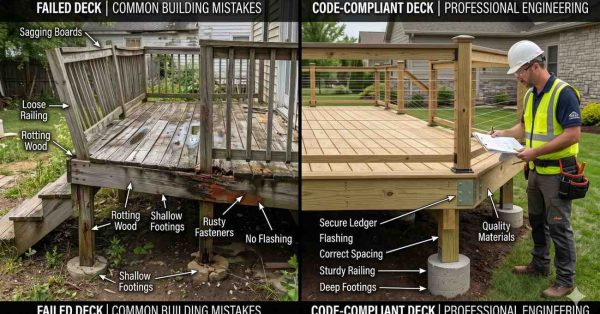
Wood decking absorbs moisture from soil, rainfall, and humidity. When the underside cannot dry between wet cycles, joists soften, fasteners corrode, and fungi develop within months. A 30cm gap creates enough vertical space for cross-ventilation, even when the deck is partially skirted. It also gives inspectors and repair crews physical access to check posts, beams, and ledger connections. For homeowners and property managers, this clearance is the single most cost-effective design choice that prevents premature structural failure.
How the Rule Affects Deck Height and Design
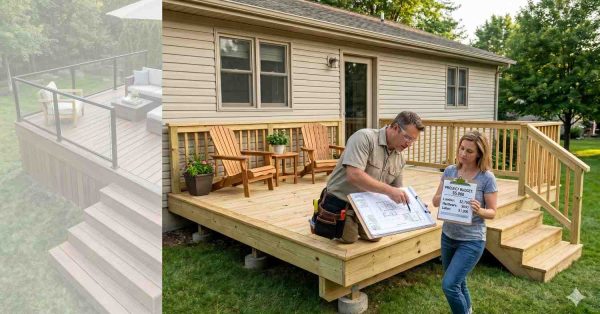
The 30cm minimum directly shapes how a deck is planned. Builders set footing depths, post heights, and ledger placement around this clearance from the start. Decks built lower than 30cm require composite materials, treated lumber, ground-contact-rated joists, and additional ventilation strategies. Stair design, railing height, and ADA accessibility considerations all flow downstream from this baseline. Skipping this measurement during planning forces expensive corrections later, including raising the frame, replacing rotted members, or installing retrofit ventilation systems.
Applying the 30cm Rule in Real Deck Projects
In practice, the 30cm rule guides every stage of construction. Site grading, drainage slope, and footing depth must align so the finished frame clears the soil properly. In wetter climates, experienced professional deck builders handle clearance planning by adding extra height, gravel beds, or vapor barriers beneath the structure.
Ground Conditions, Ventilation, and Moisture Control
Soil type matters. Clay holds water longer than sandy ground, raising the humidity beneath the deck. Sloped lots may meet 30cm on one side but fall short on another, requiring stepped footings. Skirting should always include vented panels or lattice to maintain airflow. When clearance fails, moisture problems under low decks quickly spread to ledger boards, siding, and even interior framing, turning a simple deck issue into a property-wide repair.
When the 30cm Rule Changes or Doesn’t Apply
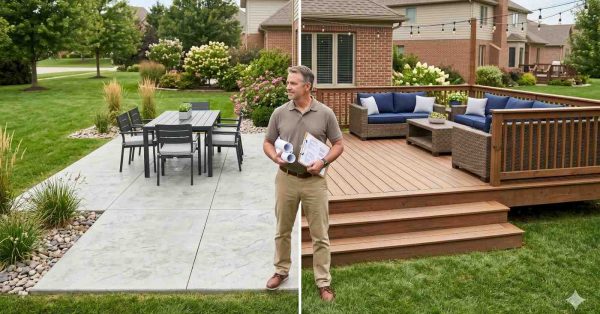
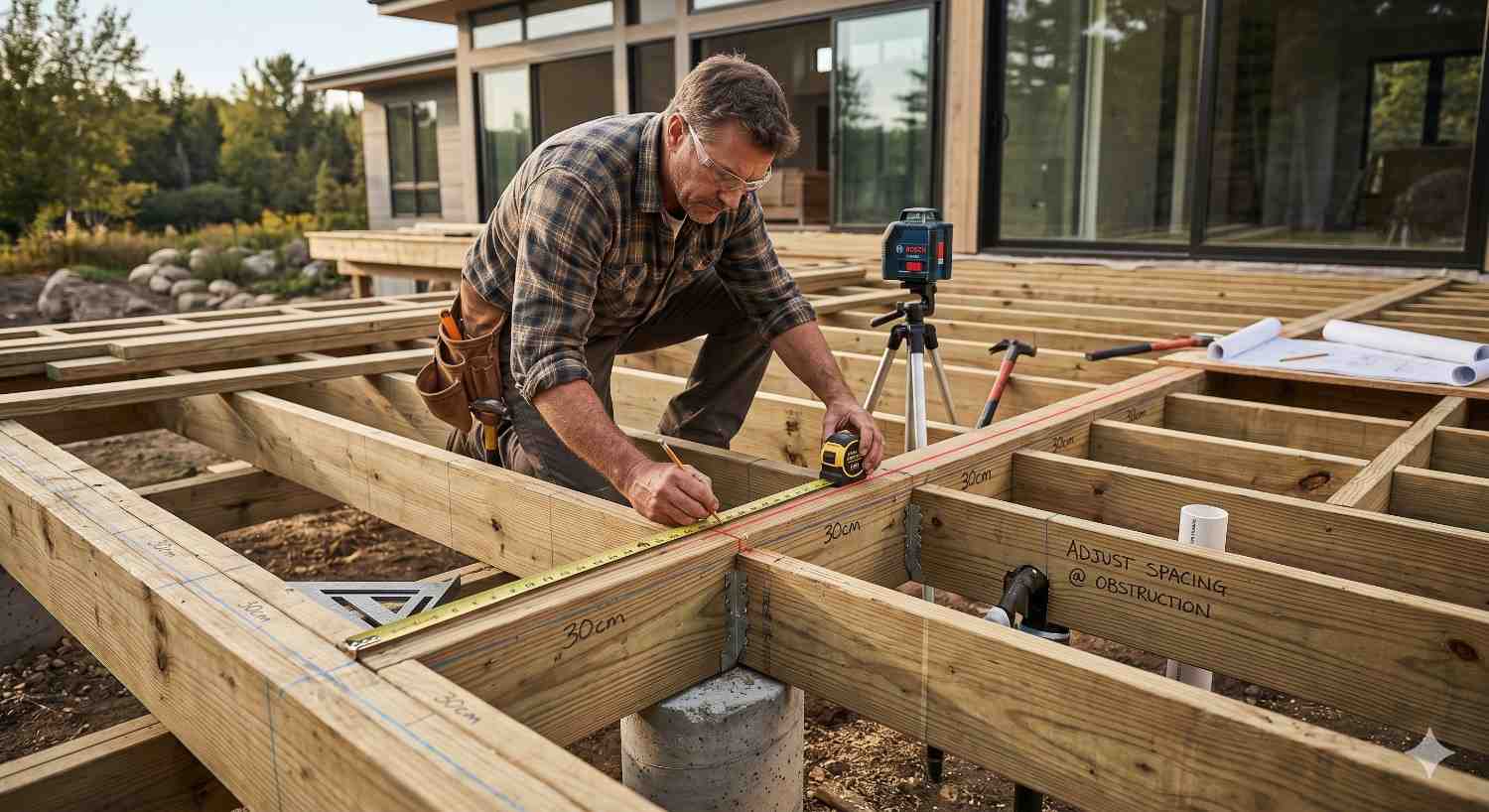
Floating decks, ground-level platforms, and concrete-set patios follow different rules. These structures use materials rated for direct ground contact, including composite boards and pressure-treated lumber with proper drainage layers. Local building codes in some U.S. regions also adjust clearance requirements based on flood zones, frost depth, and seismic conditions. Always check municipal codes before finalizing your design.
Conclusion
The 30cm rule protects your deck by preserving airflow, controlling moisture, and extending the life of every structural component. It is a foundational design standard, not an optional guideline.
Following this clearance from day one saves homeowners, landlords, and property managers from costly rebuilds, especially in climates where deck repair becomes necessary faster than expected.
We make deck planning simple. Contact Mr. Local Services to connect with trusted deck professionals near you today.
Frequently Asked Questions
Does the 30cm rule apply to composite decks?
Yes, though composite materials tolerate moisture better. The clearance still supports ventilation, joist longevity, and access for inspection or repairs underneath.
Can I build a deck closer to the ground than 30cm?
You can, but only with ground-contact-rated lumber, proper drainage, and ventilated skirting. Expect a shorter lifespan without full clearance.
What happens if my deck violates the 30cm rule?
Trapped moisture causes rot, mold, and fastener corrosion. Most decks built too low require structural repairs or replacement within five to ten years.
Is the 30cm rule a building code requirement?
It is a widely adopted industry standard. Local codes may enforce stricter clearance, especially in flood zones, humid climates, or frost-prone regions.
How do I measure 30cm clearance correctly?
Measure from the highest ground point under the deck to the underside of the lowest joist. Always check multiple spots across sloped or uneven lots.