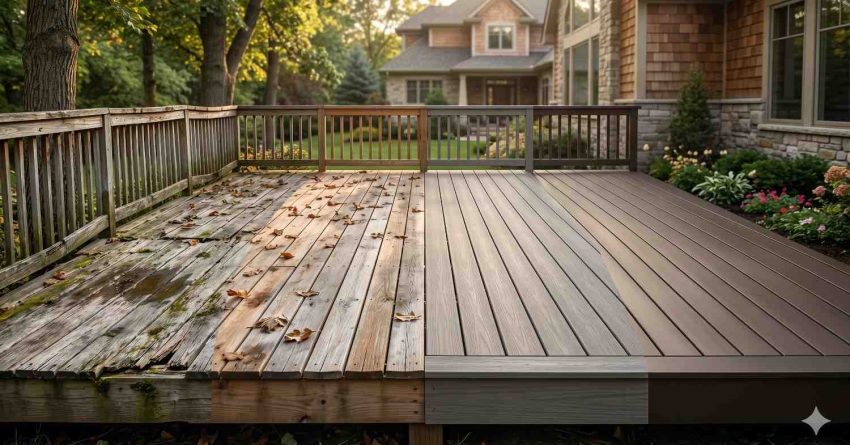
A deck typically lasts 10 to 50 years, depending on the material and how well it’s maintained. Pressure-treated wood decks last 10 to 20 years, cedar and redwood decks last 15 to 25 years, and composite or PVC decks can last 25 to 50 years with minimal upkeep. Maintenance level is the single biggest factor that pushes a deck toward the high or low end of its expected lifespan range.
How Long Does a Deck Last on Average?
Most decks last between 10 and 50 years. Wood decks average 15 to 20 years with regular care, while composite and PVC decks routinely reach 25 to 50 years. Aluminum decks can exceed 50 years. Climate, sun exposure, drainage, and structural quality also influence the final lifespan.
Wood Deck Lifespan (Pressure-Treated, Cedar, Redwood)
Pressure-treated pine is the most common decking material in the USA, lasting 10 to 20 years. The chemical treatment resists rot and insects, but the boards still warp, crack, and split over time. Cedar and redwood decks last 15 to 25 years thanks to natural oils that repel moisture and pests. Tropical hardwoods like ipe can last 30 to 50 years but require oiling to maintain appearance. All wood decks need cleaning, sealing, and occasional board replacement to reach their full potential.
Composite, PVC, and Aluminum Deck Lifespan
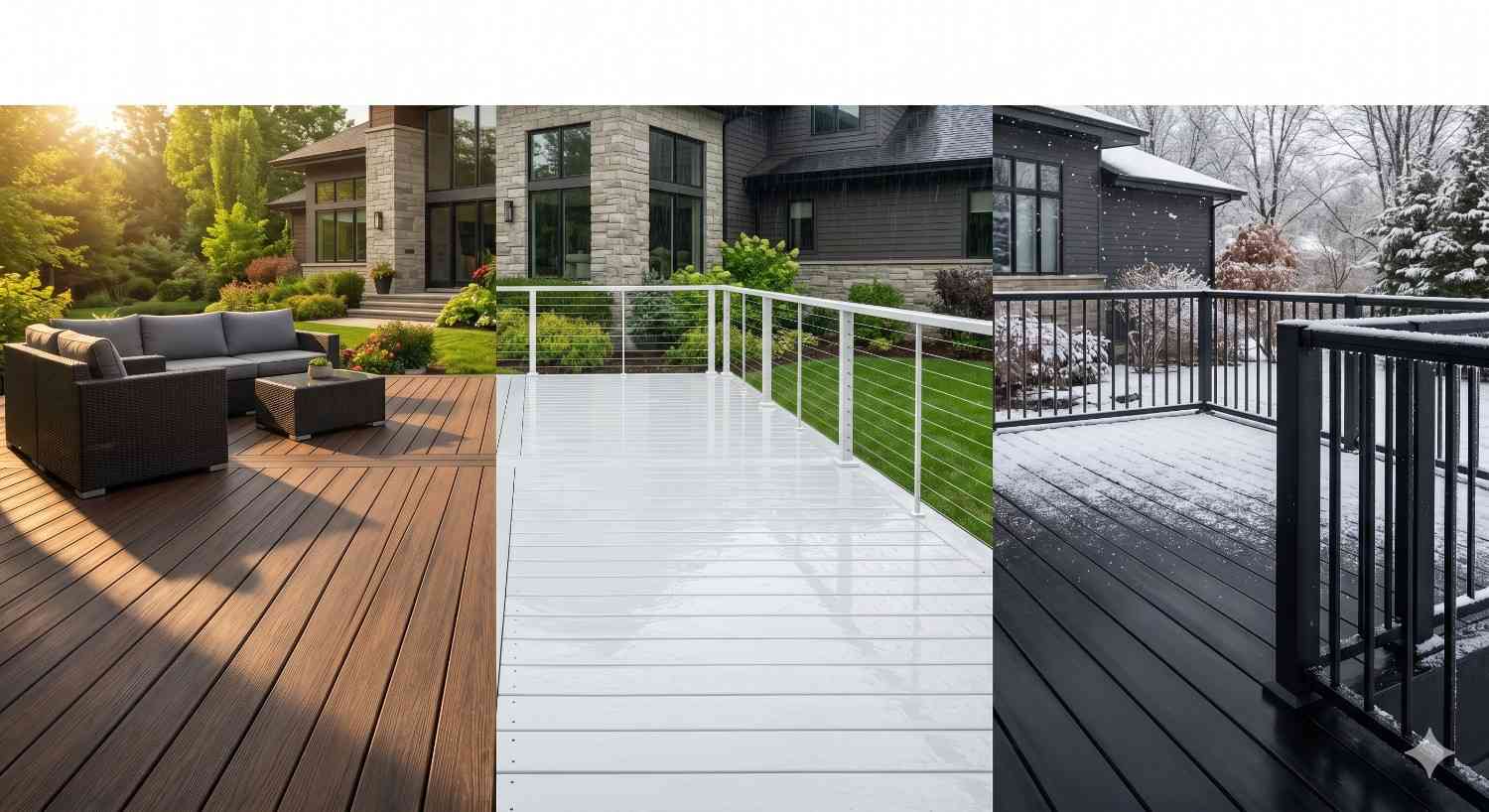
Composite decking, made from wood fibers and recycled plastic, lasts 25 to 30 years on average. Premium capped composites push that range to 50 years. PVC decking is fully synthetic and resists moisture, mold, and insects entirely, often lasting 30 to 50 years. Aluminum decks are the longest-lasting option, frequently exceeding 50 years without rotting, rusting, or warping. These materials cost more upfront but eliminate most maintenance and outlast wood by decades.
A deck’s material sets the ceiling, but proper sealing and inspection routines decide how close you actually get to it.
How Maintenance Level Changes Deck Lifespan
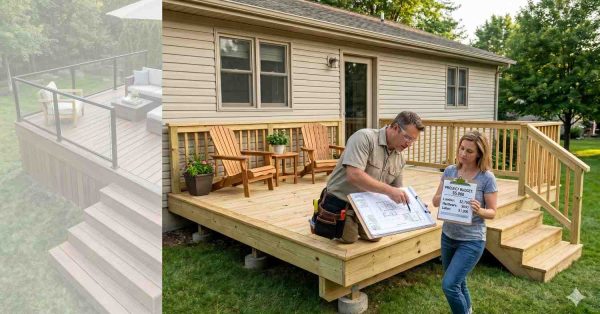
Maintenance can add or subtract 10 to 15 years from a deck’s life. A pressure-treated deck cleaned and sealed every two years can reach 20 years, while one left untreated may fail in 8. Composite decks need far less attention, but debris buildup, standing water, and ignored structural issues still shorten their service life. Annual inspections of joists, ledger boards, fasteners, and railings catch small problems before they become full replacements.
Low vs. Moderate vs. High Maintenance Outcomes
Low-maintenance decks, cleaned only occasionally, reach the bottom of their material’s range. Moderate maintenance, including yearly washing and biennial sealing for wood, hits the middle of the range. High maintenance, with annual sealing, prompt board replacement, and regular structural checks, pushes any deck to the top of its lifespan. Composite and PVC owners should still rinse debris, check fasteners, and clear gaps between boards each season.
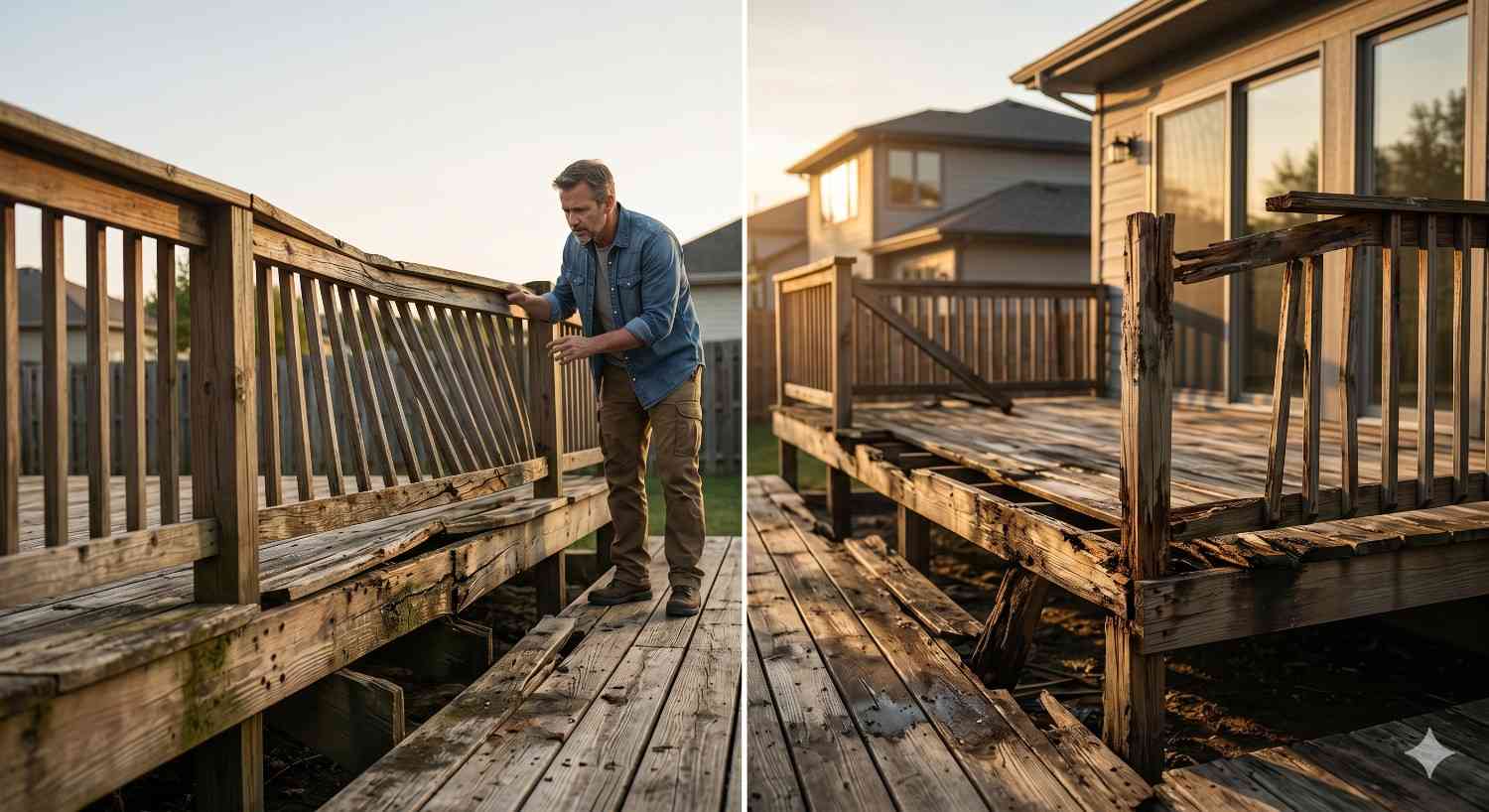
Signs Your Deck Is Reaching the End of Its Life
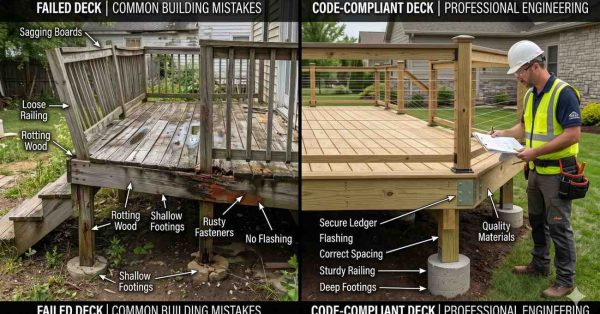
Soft or spongy boards, widespread rot at the ledger or posts, loose railings, rusted fasteners, and visible sagging all signal serious decline. Surface cracks and faded color are cosmetic, but structural damage to joists, beams, or footings is a safety issue. Recognizing when repair becomes replacement protects both your investment and your family. A professional inspection clarifies whether targeted repairs will extend the deck or whether a full rebuild is the smarter long-term choice.
Conclusion
Deck lifespan depends on two factors: the material you choose and the maintenance you commit to. Wood lasts 10 to 25 years, composite reaches 25 to 50, and aluminum often exceeds 50.
For homeowners and property managers, choosing the right material and care schedule protects property value, safety, and outdoor enjoyment for decades.
We at Mr. Local Services connect you with vetted deck specialists for inspection, repair, sealing, or full replacement. Get your deck assessed today.
Frequently Asked Questions
How often should a wood deck be sealed?
Wood decks should be cleaned and resealed every 2 to 3 years. High-sun or coastal decks may need annual sealing to prevent UV damage and moisture penetration.
Does a composite deck need any maintenance?
Yes. Composite decks need seasonal rinsing, debris clearing between boards, and periodic fastener checks. Maintenance is minimal but skipping it still shortens lifespan.
What part of a deck fails first?
The ledger board, joists, and posts fail first because they hold moisture longest. Fasteners and stair stringers are also early failure points worth annual inspection.
Can an old deck be restored instead of replaced?
Yes, if the structural framing is sound. Restoration includes board replacement, sealing, and railing upgrades. Damaged joists or footings usually require full replacement.
Does deck lifespan affect home value?
Yes. A well-maintained deck adds usable living space and curb appeal, while a deteriorating deck reduces buyer interest and can flag inspection concerns during sale.