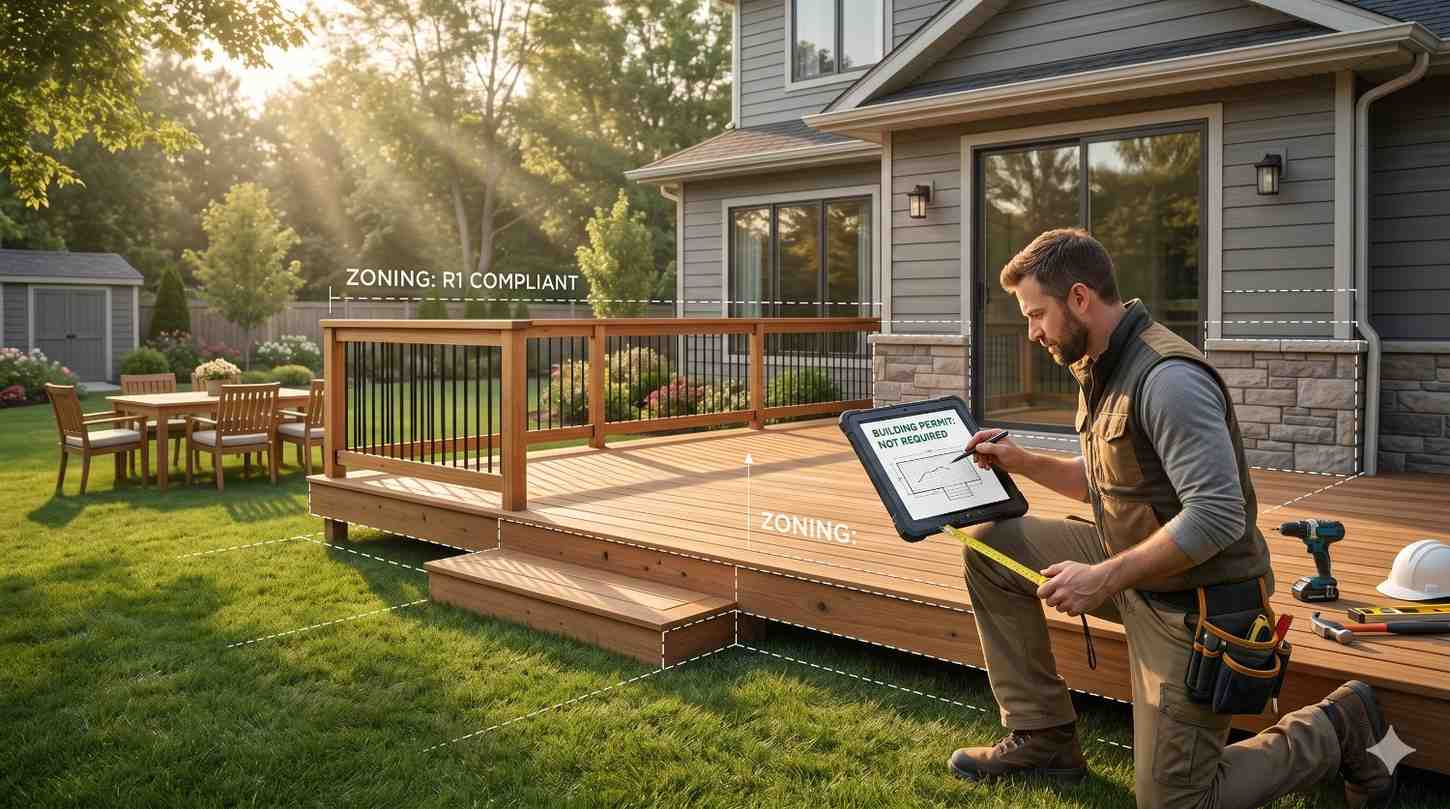
In most U.S. jurisdictions, the largest deck you can build without a permit is typically 200 square feet or less, no taller than 30 inches above grade, and not attached to the house. These three conditions almost always need to be met together. Local building codes vary widely, so the exact threshold depends on your city, county, or state. Knowing the standard rule helps homeowners and property managers plan projects confidently before contacting a contractor or inspector.
The General Rule for Permit-Free Decks
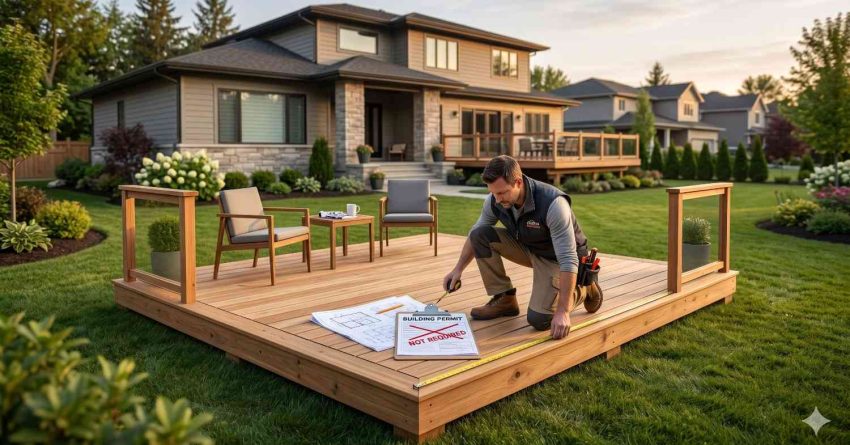
Most U.S. building codes allow a freestanding deck up to 200 square feet, no higher than 30 inches above the ground, and not connected to the main structure to be built without a permit. The deck must also not serve a required exit door or support a roof. If any of these conditions change, a permit is usually required before construction begins.
Standard Size and Height Thresholds
The 200-square-foot limit comes directly from the International Residential Code (IRC), which most U.S. states adopt with minor adjustments. A deck within this footprint, sitting low to the ground and detached from the home, falls under the “minor work” exemption in most municipalities. Height matters as much as area. Once the deck surface rises above 30 inches, guardrails, footings, and structural inspections come into play, which always trigger a permit.
Why These Limits Exist
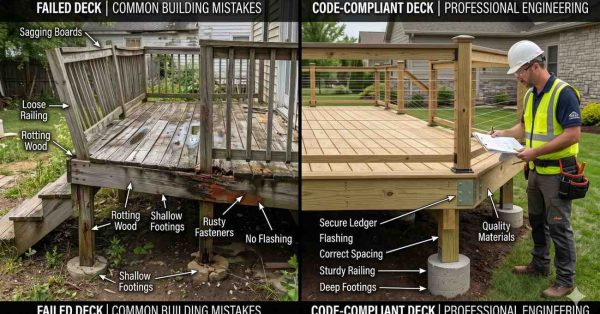
Permit thresholds exist to protect safety, not to create paperwork. Lower, smaller decks carry minimal fall risk and exert little load on the ground. Larger or attached decks introduce structural concerns, including ledger board connections, frost-line footings, and load calculations. Local officials use the size and height cutoffs as quick indicators of risk. When a project stays within them, inspections are typically waived.
Understanding the national baseline is the starting point. How local rules shape deck projects determines whether your build actually qualifies under the exemption.
How Local Codes Change the Answer
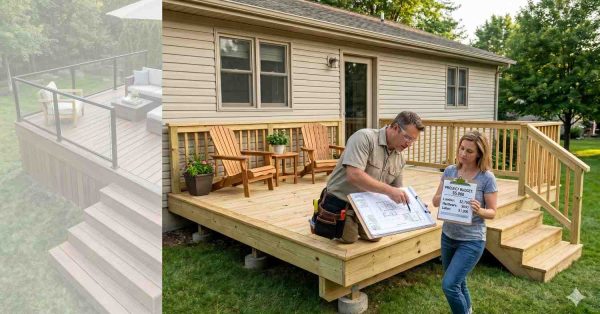
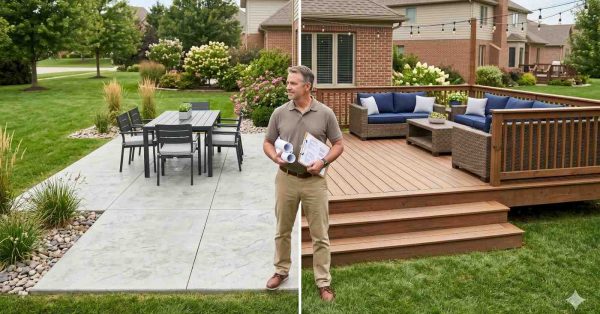
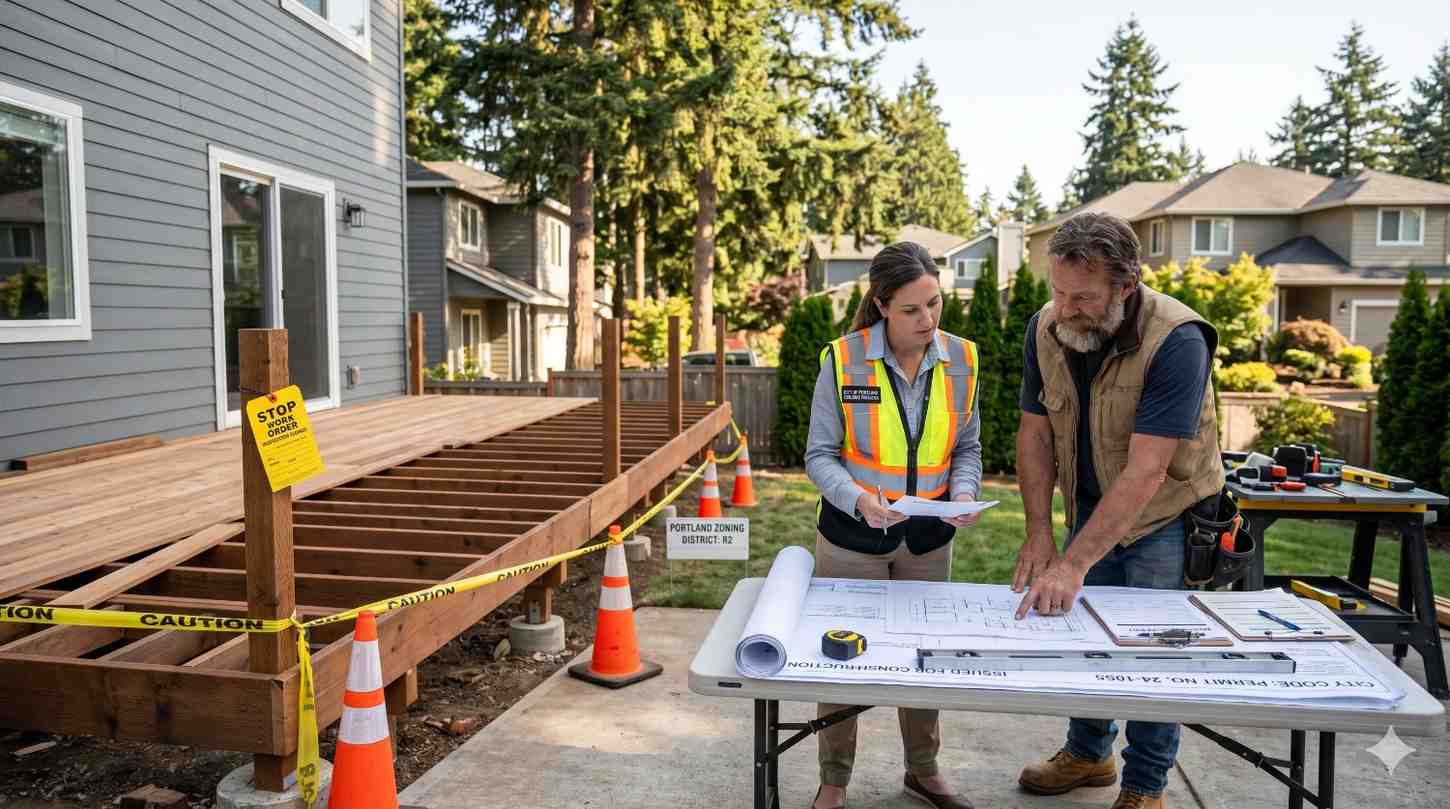
State and municipal codes often tighten or loosen the federal baseline. Some cities require a permit for any deck regardless of size, while others raise the exemption to 256 square feet. Coastal zones, historic districts, and HOA-governed neighborhoods add another layer of restriction. Always verify with your local building department before starting construction.
Common State and City Variations
California typically requires permits for any deck attached to a dwelling. Florida enforces wind-load reviews in coastal counties, often eliminating the exemption entirely. Texas tends to follow IRC defaults but allows local amendments. In Chicago and New York City, nearly all exterior structures require permits. For permitted builds, working with a licensed deck builder ensures the project meets every structural and code requirement from day one.
When a Permit Is Always Required
A permit is mandatory whenever the deck attaches to the house, exceeds 30 inches in height, covers more than the local square footage cap, or supports a roof, hot tub, or outdoor kitchen. Decks serving second-story doors, fire escapes, or required exits also require approval. Skipping the permit in these cases risks fines, forced removal, denied insurance claims, and complications during a future home sale.
Conclusion
The largest deck most homeowners can build without a permit is 200 square feet, under 30 inches high, and freestanding. Local codes refine that answer.
Confirming your jurisdiction’s rules and planning ongoing deck care and repairs protects both your investment and your property’s long-term value.
We at Mr. Local Services connect you with vetted deck professionals who handle permits, design, and construction with full transparency. Start your project today.
Frequently Asked Questions
Can I build a 12×12 deck without a permit?
A 12×12 deck equals 144 square feet, which falls under most exemption limits. It still must be freestanding and under 30 inches high to qualify.
Does a floating deck need a permit?
Floating decks under 200 square feet and below 30 inches usually do not need a permit. Always confirm with your local building department first.
What happens if I build a deck without a required permit?
You may face fines, mandatory removal, denied insurance claims, and resale complications. Unpermitted work also fails most home inspections during a future sale.
Do I need a permit to replace deck boards?
Simple board replacement is typically considered maintenance and does not require a permit. Structural changes, expansions, or framing repairs usually do.
Are attached decks ever permit-free?
Almost never. Attaching a deck to the home involves ledger boards and load transfer, which trigger structural review and permit requirements in nearly every U.S. jurisdiction.