Mold can develop within 24 to 48 hours after water damage, often before you see obvious damage. Spotting it early protects your health, your property value, and your wallet. This guide walks homeowners, landlords, and property managers in the USA through the clearest signs of mold growth, the hidden places it thrives, and when to bring in a professional. Each indicator is practical, observable, and based on how mold actually behaves inside residential and commercial properties after leaks, floods, or moisture exposure.
Clear Signs of Mold After Water Damage
You likely have mold after water damage if you notice musty odors, dark or fuzzy stains on walls or ceilings, peeling paint, warped surfaces, or recurring allergy symptoms indoors. Visible discoloration combined with a damp smell within 48 hours of water exposure is the strongest indicator that mold has already started growing.
These signs rarely appear alone. Mold grows where moisture lingers, so any combination of visual change, odor, or health symptom deserves immediate attention. Acting on the first sign prevents structural damage and limits remediation costs.
Visual Indicators You Can Spot Early
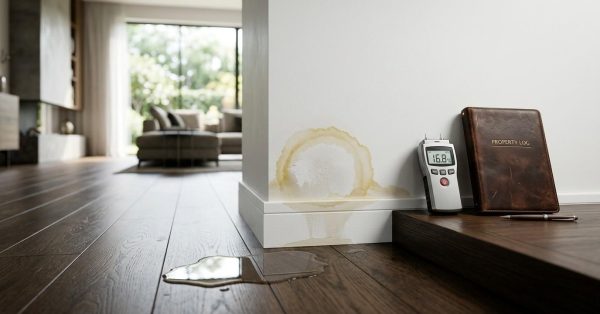
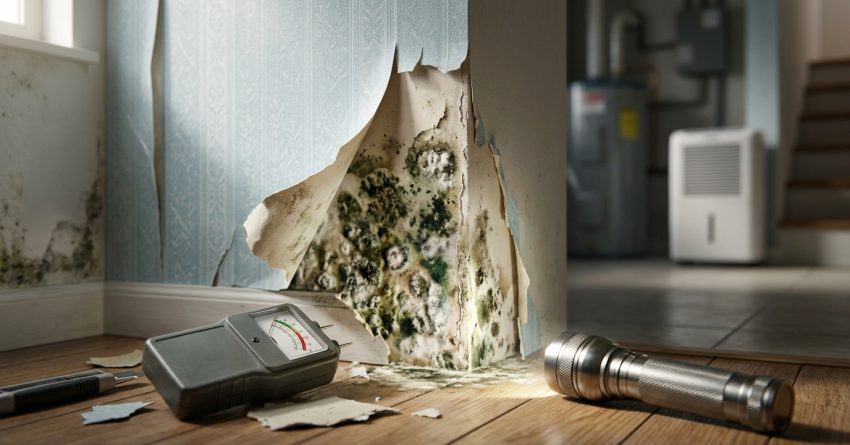
Look for black, green, gray, or white patches on drywall, baseboards, ceilings, and around windows. Bubbling paint, swollen wood, and stained ceiling tiles signal trapped moisture feeding mold underneath. Discoloration that spreads or returns after cleaning confirms active growth, not surface dirt. Check grout lines, caulking around tubs, and corners where humidity collects. Fuzzy or slimy textures distinguish mold from ordinary water stains.
Smells and Air Quality Changes
A persistent musty, earthy, or damp odor is one of the most reliable early warnings, often appearing before visible mold. Increased sneezing, coughing, watery eyes, headaches, or skin irritation that improves when you leave the property points to airborne spores. Pay attention if the smell intensifies after rain, when the HVAC runs, or in closed rooms. These patterns indicate hidden colonies releasing spores into your indoor air.
Identifying the signs is one part of the process. The next step is professional water damage restoration that removes both moisture and mold at the source.
Where Mold Hides After Water Damage
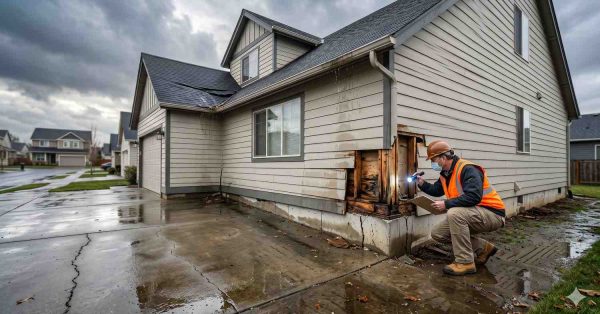
Mold often grows in places homeowners cannot easily see. Behind drywall, under flooring, inside HVAC ducts, beneath sinks, around water heaters, and inside wall cavities are common hiding spots. Insulation, subfloors, and the back side of baseboards trap moisture for weeks. Crawl spaces, attics with roof leaks, and basements with poor ventilation create perfect conditions. If water damage occurred but you find no visible mold, that does not mean you are safe. A trained moisture inspection using thermal imaging and moisture meters reveals colonies hidden inside building materials.
High-Risk Areas in Your Home
Bathrooms, kitchens, laundry rooms, basements, and around windows top the list. Roof leaks bring mold to attics. Plumbing failures hide it behind cabinets. Inspect anywhere water has pooled, dripped, or condensed within the last month, especially soft, discolored, or warped surfaces.
When to Call a Professional vs. DIY Inspection
Small, surface-level mold under 10 square feet can often be cleaned safely with proper protective gear and standard cleaners. Anything larger, anything inside HVAC systems, or anything tied to sewage or flood water requires a licensed professional. Call an expert if mold returns after cleaning, if occupants have respiratory conditions, or if you cannot identify the moisture source. Professionals contain spores, remove affected materials safely, and verify the property is dry before rebuilding.
Conclusion
Mold after water damage shows itself through visual stains, musty odors, warped materials, and unexplained allergy symptoms appearing within days of moisture exposure.
Acting fast protects your property, your health, and your investment, while professional certified mold remediation ensures the problem is fully resolved.
If you suspect mold, we at Mr. Local Services connect you with trusted experts ready to inspect, contain, and restore your property today.
Frequently Asked Questions
How quickly does mold grow after water damage?
Mold can begin growing within 24 to 48 hours of water exposure when humidity stays above 60% and materials remain damp.
Can mold grow without visible water damage?
Yes. Slow leaks, condensation, and high indoor humidity can fuel mold growth even when no obvious water damage is visible on surfaces.
Is all mold after water damage dangerous?
Not all mold is toxic, but any indoor mold can trigger allergies, asthma, and respiratory issues, especially in children, seniors, and pets.
Will drying out water damage prevent mold?
Drying within 48 hours greatly reduces risk, but trapped moisture in walls, insulation, or subfloors can still produce mold without professional drying.
Should I test for mold or hire an inspector?
Hire a certified inspector for accurate results. Home test kits often miss hidden colonies and cannot identify moisture sources behind walls or floors.