The 10 warning signs of mold toxicity include chronic coughing, sinus congestion, headaches, fatigue, brain fog, skin rashes, watery eyes, joint pain, digestive issues, and unexplained sensitivity to light or smells. These symptoms often appear gradually and worsen indoors, signaling that hidden mold may be affecting indoor air quality. Recognizing them early helps homeowners and property managers act quickly to protect their health and property value.
The 10 Warning Signs of Mold Toxicity
Mold toxicity occurs when prolonged exposure to mold spores triggers inflammation, allergic reactions, or immune responses in the body. The 10 most common warning signs are: 1) persistent coughing or wheezing, 2) sinus congestion and frequent sneezing, 3) chronic headaches, 4) unexplained fatigue, 5) brain fog or memory issues, 6) skin rashes or irritation, 7) itchy or watery eyes, 8) joint and muscle pain, 9) digestive problems, and 10) heightened sensitivity to light, smells, or chemicals.
Respiratory and Sinus Symptoms
Respiratory issues are the earliest indicators. Mold spores irritate the airways, causing chronic coughing, wheezing, sinus pressure, and post-nasal drip. Many homeowners mistake these symptoms for seasonal allergies, but mold-related reactions persist year-round and intensify indoors. Asthma sufferers and children often experience the strongest reactions. If symptoms ease when you leave the house and return at home, indoor mold exposure is the likely cause.
Neurological and Cognitive Symptoms
Mold toxicity also affects the nervous system. Brain fog, memory lapses, difficulty concentrating, dizziness, and recurring headaches are common neurological warning signs. Some individuals report mood changes, anxiety, or sleep disturbances. These symptoms develop gradually, making them easy to dismiss. When combined with respiratory complaints in the same household, they strongly suggest mold contamination requiring immediate inspection and remediation.
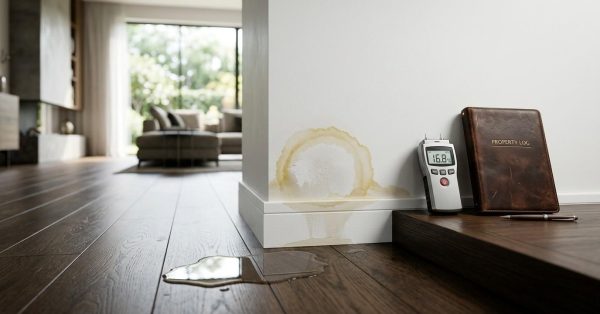
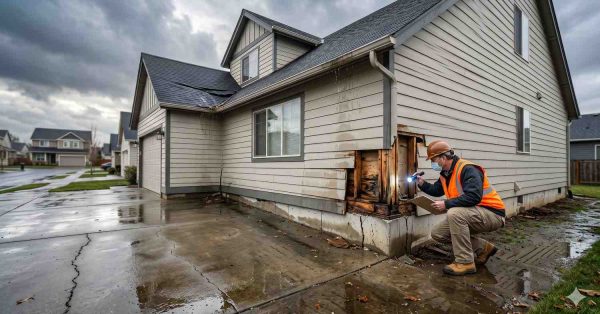
Recognizing the symptoms is one half of the equation. Identifying hidden moisture sources behind walls is the other half that turns awareness into action.
Where Mold Hides in Your Home
Mold thrives in damp, dark, poorly ventilated spaces. Common hiding spots include behind drywall, under carpets, around leaking pipes, in basements, attics, crawl spaces, HVAC ducts, and beneath kitchen and bathroom fixtures. Roof leaks, plumbing failures, and condensation around windows create the moisture conditions mold needs to grow. Properties with past flooding or water damage carry a much higher risk.
High-Risk Areas to Inspect First
Bathrooms, laundry rooms, and basements top the list. Check ceiling corners, grout lines, caulking, and the area beneath sinks. Inspect HVAC vents and air handlers, since circulating air spreads spores throughout the home. A musty odor without visible growth almost always signals mold behind a surface, often inside walls or under flooring where standard cleaning cannot reach.
When to Call a Professional vs. DIY Cleanup
Small surface mold under 10 square feet can often be cleaned with proper safety gear and household disinfectants. Larger infestations, hidden growth, or cases involving health symptoms require certified mold remediation specialists who use containment, HEPA filtration, and antimicrobial treatments.
DIY attempts on extensive mold can spread spores and worsen exposure. When tenants or family members report ongoing symptoms, professional testing and remediation is the safer, more cost-effective path.
Conclusion
Recognizing the 10 warning signs of mold toxicity early protects both your health and your property. Symptoms range from respiratory irritation to neurological effects, all linked to hidden moisture problems.
Long-term prevention depends on consistent property maintenance, proper air quality and ventilation systems, and prompt repair of leaks, helping homeowners and property managers preserve safety and value.
We at Mr. Local Services connect you with trusted mold inspection, remediation, and water damage experts. Schedule your inspection today.
Frequently Asked Questions
How quickly can mold toxicity symptoms appear?
Symptoms can appear within hours of exposure for sensitive individuals or develop gradually over weeks and months with continuous low-level exposure inside the home.
Can mold toxicity cause long-term health problems?
Yes. Prolonged exposure may lead to chronic respiratory conditions, immune system issues, and persistent neurological symptoms, especially in children, elderly residents, and those with asthma or allergies.
What does toxic mold smell like?
Toxic mold typically produces a musty, earthy, or damp odor similar to wet cardboard. The smell often intensifies in closed rooms, basements, or near HVAC vents.
Is black mold always toxic?
Not all black mold is toxic, but Stachybotrys chartarum produces harmful mycotoxins. Any black, green, or fuzzy growth in damp areas should be tested by a certified professional.
How is mold toxicity diagnosed?
A doctor reviews your symptoms, exposure history, and may order blood, urine, or allergy tests. Combine medical evaluation with a professional home mold inspection for accurate results.