After water damage, do not enter wet areas with the power on, ignore standing water, use household appliances, or attempt aggressive DIY cleanup before documenting losses. These early mistakes amplify structural damage, trigger mold growth, void insurance claims, and create serious safety hazards. Knowing what to avoid in the first 24 to 48 hours protects your property, your health, and your financial recovery. This guide outlines the actions homeowners, landlords, and property managers must skip to keep a bad situation from becoming a costly one.
Critical Mistakes to Avoid After Water Damage
After water damage, never walk through standing water until electricity and gas are shut off, never delay extraction beyond 24 hours, and never use vacuums, fans, or appliances rated for dry use. These three mistakes cause electrocution risk, accelerate mold colonization, and ruin equipment, turning a manageable event into a major loss.
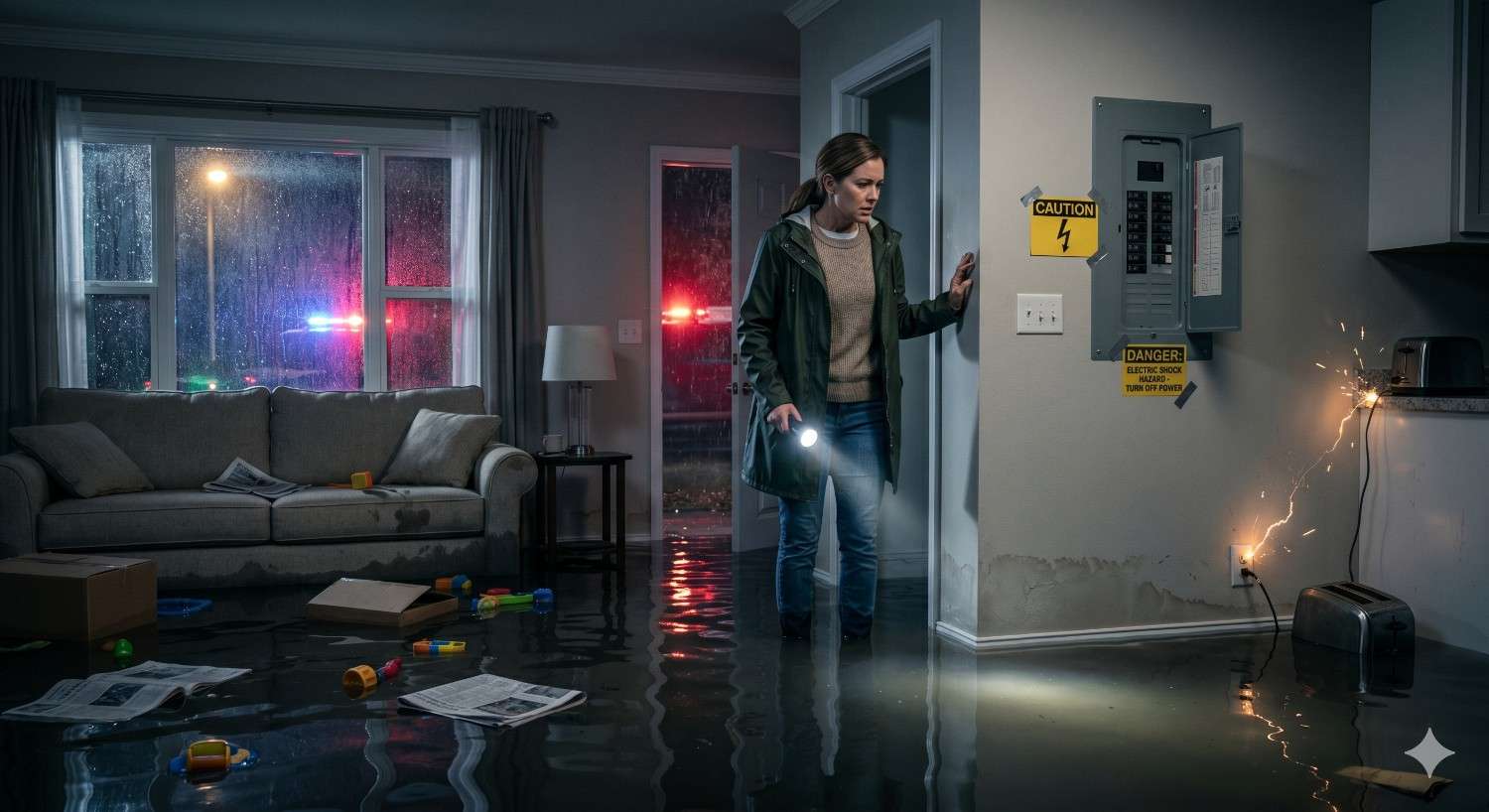
Do Not Enter Standing Water Before Shutting Off Power
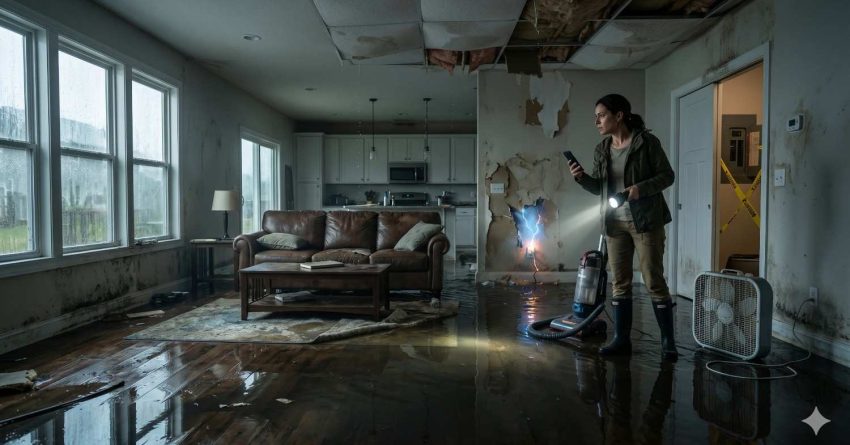
Water and live electricity create a fatal combination. Before stepping into any flooded room, shut off the main breaker at the electrical panel. If the panel itself sits in the affected area, call a licensed electrician or your utility company. Avoid touching outlets, switches, or plugged-in appliances until everything is verified dry and inspected. Gas lines also require attention. If you smell gas or suspect a leak, leave immediately and contact your gas provider. Safety always comes before salvage, no matter how valuable the contents appear.
Do Not Delay Water Extraction or Drying
Mold begins forming within 24 to 48 hours of moisture exposure. Waiting “until tomorrow” to remove water lets it wick into drywall, subfloors, insulation, and framing where home fans cannot reach. Do not rely on opening windows alone, especially in humid weather, which can pull more moisture inside. Avoid using a standard household vacuum to extract water, as this destroys the motor and creates an electrical hazard. Professional-grade extractors, dehumidifiers, and air movers are required to dry structural materials thoroughly and prevent secondary damage.
The steps to avoid are clear, but knowing what comes next matters just as much. The right response involves professional water damage restoration handled by trained technicians using proper equipment and moisture mapping.
What Not to Touch, Move, or Clean Yourself
Do not attempt to dry, scrub, or repair materials hiding behind walls, under flooring, or inside cabinets. Hidden moisture causes the most expensive long-term damage, and disturbing contaminated areas without protective gear spreads bacteria and spores throughout the home. Never lift soaked rugs onto hardwood floors, which transfers moisture and stains permanently. Avoid running HVAC systems if water entered ducts, since this distributes contaminants room to room.
Avoid DIY Repairs on Hidden Damage
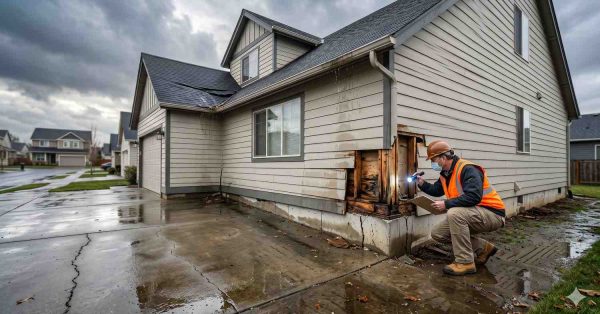
Replacing visible drywall or repainting before the structure is fully dried traps moisture inside the wall cavity. This guarantees mold growth, wood rot, and a second, larger repair bill within months. Category 2 and Category 3 water, which includes sewage backups and floodwater, contains pathogens that household cleaners cannot neutralize. Certified mold remediation specialists use containment barriers, HEPA filtration, and antimicrobial treatments to address contamination at the source rather than masking it.

Insurance and Documentation Mistakes to Avoid
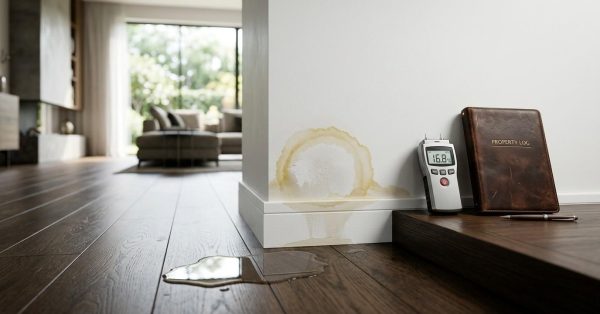
Do not throw away damaged items, sign repair contracts, or accept the first settlement offer before documenting everything. Photograph and video every affected room, item, and serial number before any cleanup begins. Keep receipts for emergency expenses, temporary lodging, and protective materials like tarps. Notify your insurer within the timeframe required by your policy, often within 24 to 72 hours. Do not admit fault or speculate about the source. If a burst pipe or appliance failure caused the issue, addressing the source through emergency plumbing repair should happen alongside, not after, your claim filing.
Conclusion
What not to do after water damage matters as much as what you do. Skipping safety steps, delaying extraction, hiding damage, or neglecting documentation turns a recoverable event into a long-term liability.
Acting carefully in the first hours protects your property value, your insurance claim, and your family’s health while keeping restoration timelines and costs predictable.
We at Mr. Local Services connect you with vetted water damage professionals ready to respond fast. Call today and protect your property the right way.
Frequently Asked Questions
Should I turn on fans after water damage?
Only use fans after the power is confirmed safe and standing water is extracted. Running fans in contaminated water spreads bacteria and worsens mold risk.
Can I stay in my house after water damage?
Avoid staying if electricity is compromised, sewage is present, or ceilings show sagging. Category 3 water and structural risks make temporary relocation the safer choice.
How long before mold grows after water damage?
Mold can begin growing within 24 to 48 hours on damp drywall, carpet, and wood. Fast extraction and professional drying are essential to prevent colonization.
Will homeowners insurance cover water damage?
Sudden, accidental water damage is usually covered, while gradual leaks and flooding often are not. Document everything immediately and review your policy terms carefully.
Is it safe to use electronics after water exposure?
Never plug in or operate electronics that contacted water until a qualified technician inspects them. Internal corrosion and short circuits create fire and shock hazards.