Never admit fault, guess at answers, downplay damage, or give recorded statements without preparation when speaking with a home insurance adjuster. Words spoken casually can reduce your settlement or trigger a claim denial. Adjusters are trained to assess liability and minimize payouts, so every statement matters. Homeowners, landlords, and property managers across the USA should know which phrases hurt claims and which protect them. This guide explains the exact language to avoid and how to communicate clearly to secure a fair outcome.
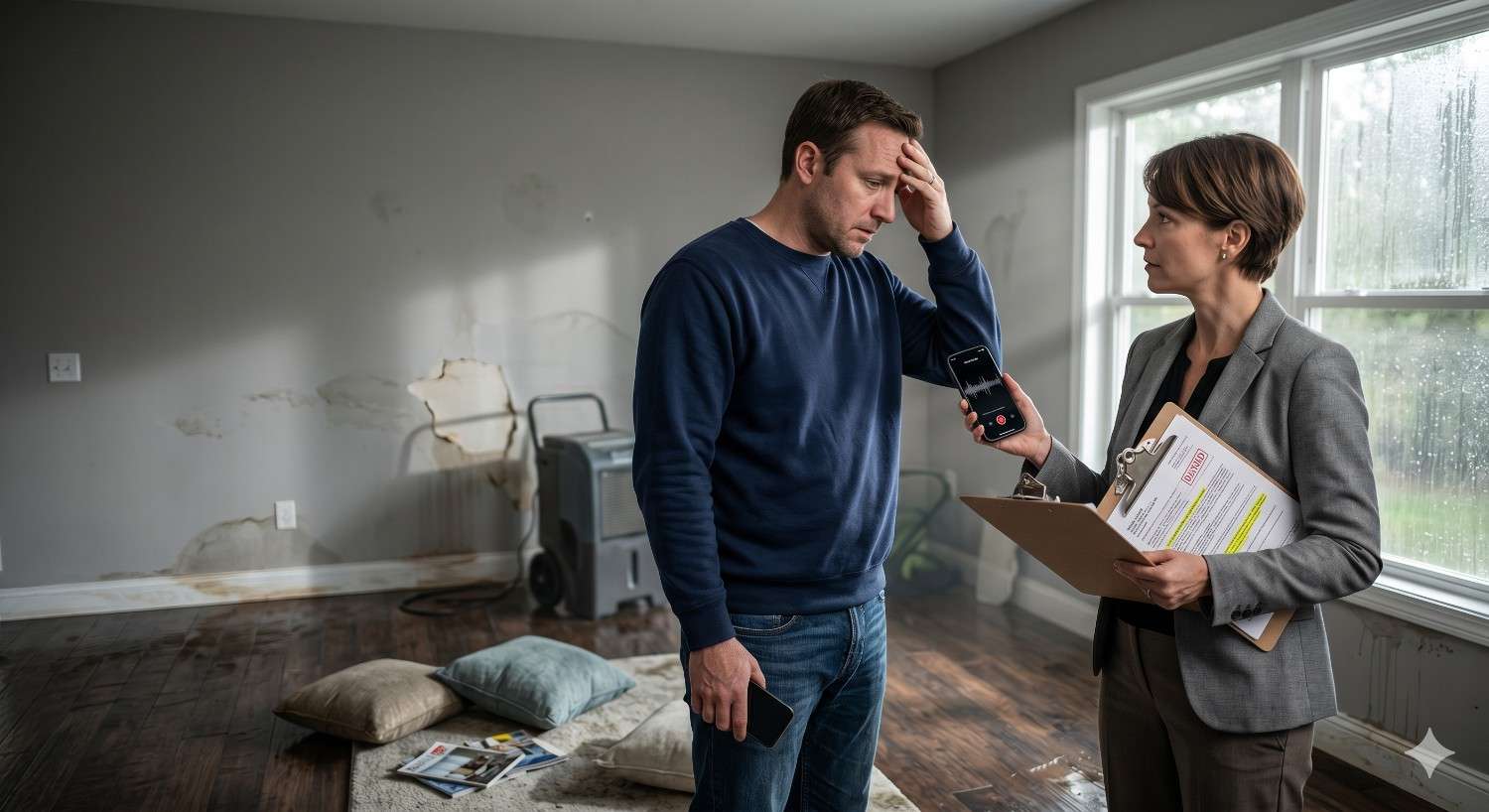
Statements That Can Hurt Your Home Insurance Claim
Avoid saying “It was my fault,” “I think,” “I’m not hurt,” “The damage isn’t that bad,” or “I accept your offer” during early conversations with an adjuster. These phrases shift blame, lock you into low estimates, or close negotiations before full damage is documented. Stick to facts you can verify.
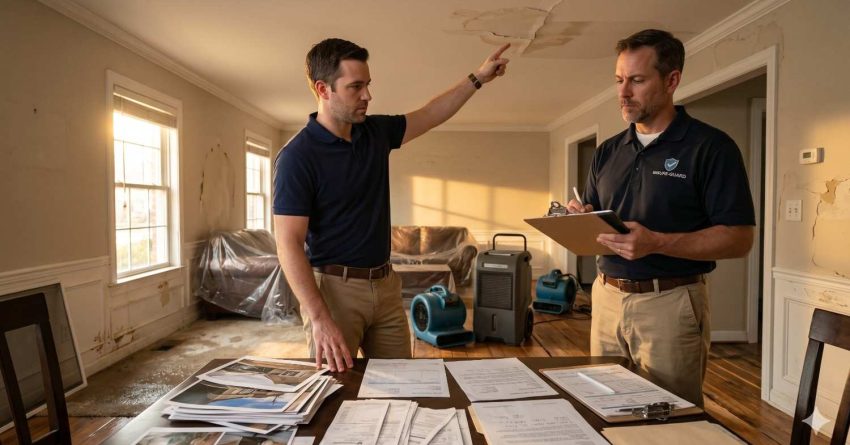
Insurance adjusters work for the insurer, not for you. Their goal is to settle quickly and inexpensively. Casual words become evidence in your file. The safest approach is to describe what happened factually, share documentation, and avoid emotional or speculative language.
Admissions of Fault or Responsibility
Statements like “I should have replaced the roof sooner” or “I knew the pipe was leaking” suggest negligence. Insurers can use these to reduce your payout or deny coverage under maintenance exclusions. Even apologetic phrases such as “I’m sorry this happened” may be recorded as partial admissions. Describe the event, not your feelings about it. Let the policy language and physical evidence determine responsibility, not your assumptions during a stressful conversation.
Speculative or Guessed Answers
Saying “I think it started around 2 a.m.” or “Maybe the storm caused it” gives the adjuster permission to question your timeline. If you do not know an exact detail, say “I don’t know” or “I’ll confirm and follow up.” Speculation creates contradictions when investigators compare your statements to reports, photos, or weather data. Accuracy protects your credibility, and credibility shapes your settlement amount more than most homeowners realize.
The words you choose matter, but so does how you document the damage before any conversation begins.
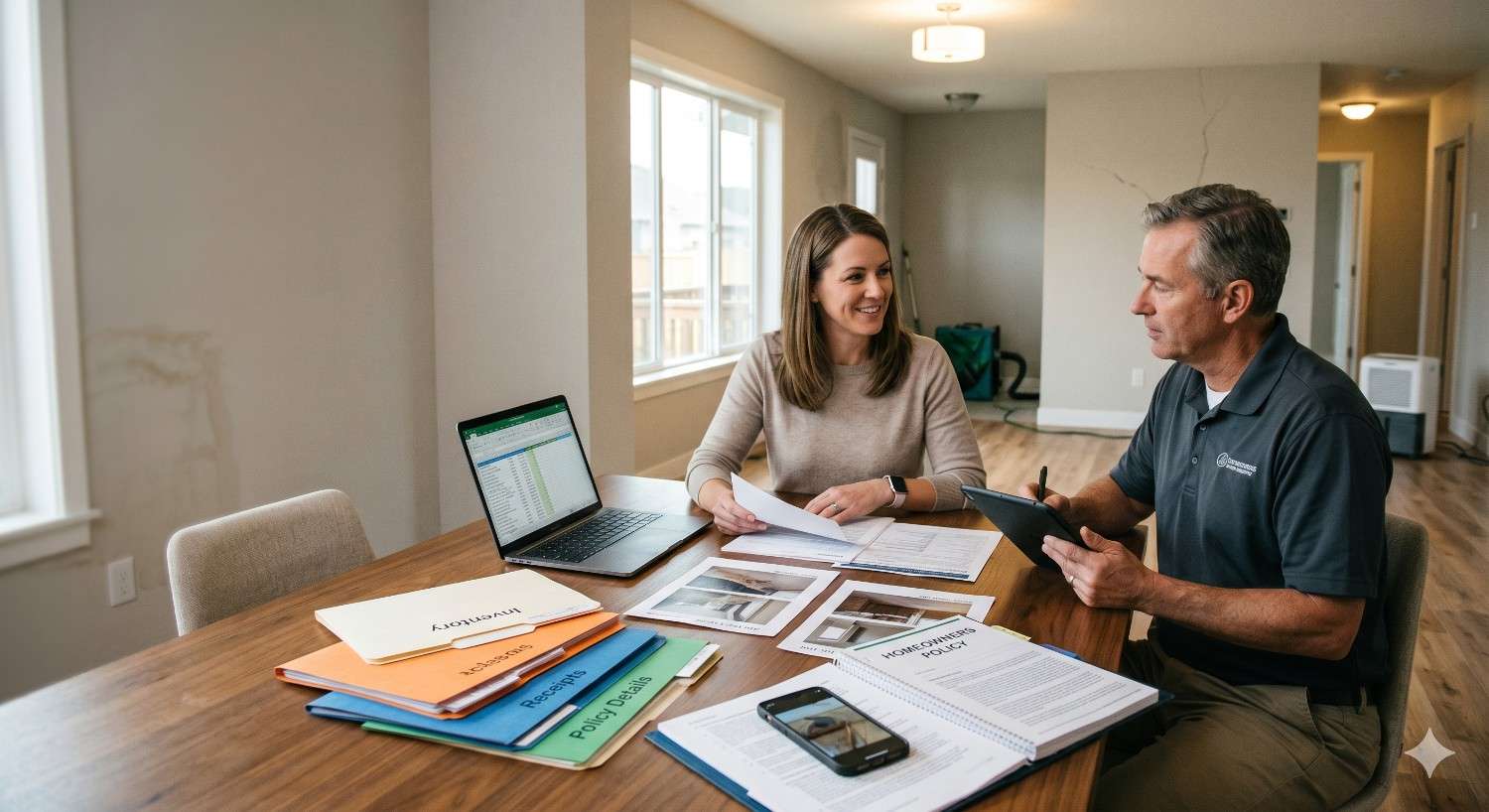
How to Communicate Smartly During the Claim Process
Prepare written notes before every adjuster call. Stick to dates, locations, and observable damage. Request everything in writing, including settlement offers and inspection findings. Decline recorded statements until you have reviewed your policy or consulted a public adjuster.
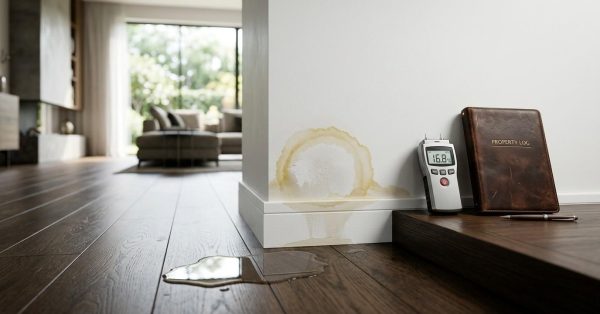
For water-related losses, request a professional water damage assessment before accepting any estimate, since hidden moisture often causes more loss than visible damage.
Document Damage Before You Speak
Photograph every affected area from multiple angles before cleanup. Save receipts for emergency repairs, temporary lodging, and replacement items. Create a written inventory of damaged belongings with approximate values. This evidence anchors your statements in fact and gives the adjuster less room to dispute scope, age, or cause of damage during the claim review.
Common Mistakes Homeowners Make With Adjusters
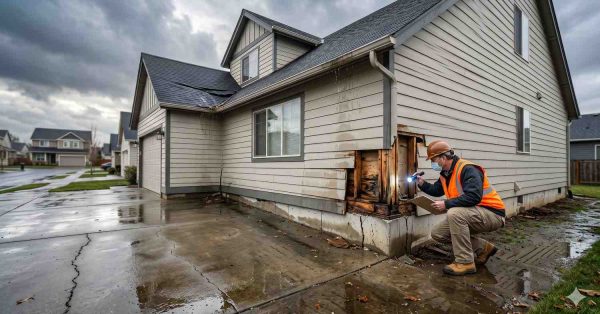
Many homeowners accept the first settlement offer, sign releases too quickly, or allow adjusters to inspect without independent documentation. Others minimize damage out of politeness, only to discover larger problems weeks later. Always request a second opinion for major structural concerns, and consider a certified roof inspection when storm or hail damage is involved. Independent verification often reveals damage adjusters overlook or undervalue.
Conclusion
Choosing your words carefully with a home insurance adjuster protects your settlement and prevents avoidable claim reductions. Stick to facts, decline speculation, and document everything before negotiations begin.
Homeowners, landlords, and property managers who prepare thoroughly recover faster and receive fairer outcomes from every property loss event.
Need trusted help navigating repairs after a claim? We at Mr. Local Services connect you with vetted professionals who deliver quality workmanship across every home service category.
Frequently Asked Questions
Should I give a recorded statement to my home insurance adjuster?
No. Politely decline until you have reviewed your policy, gathered documentation, and understand the full scope of damage. Recorded statements can be used against your claim.
Can an adjuster deny my claim based on what I say?
Yes. Admissions of fault, speculation, or contradictions between statements and evidence can lead to reduced payouts or full denial under specific policy exclusions.
Should I accept the first settlement offer from an adjuster?
Not immediately. First offers are often lower than actual repair costs. Get independent estimates from contractors and review the offer carefully before signing any release.
Is it okay to say “I’m fine” to a home insurance adjuster?
Avoid casual reassurances. Phrases like “I’m fine” or “It’s not bad” can be interpreted as minimizing damage and used to justify a smaller settlement amount later.
Do I need a public adjuster for my home insurance claim?
Consider one for large, complex, or disputed claims. Public adjusters represent you, negotiate with insurers, and often recover settlements that exceed their fees.