Immediately after water damage, stop the water source, shut off electricity to affected areas, move valuables to dry ground, and call your insurance provider. Acting within the first 24 to 48 hours is critical to prevent mold growth, structural decay, and rising repair costs. Whether the damage comes from a burst pipe, leaking roof, or appliance failure, fast and methodical action protects your property, your health, and your long-term investment in your home.
The First Steps to Take Immediately After Water Damage
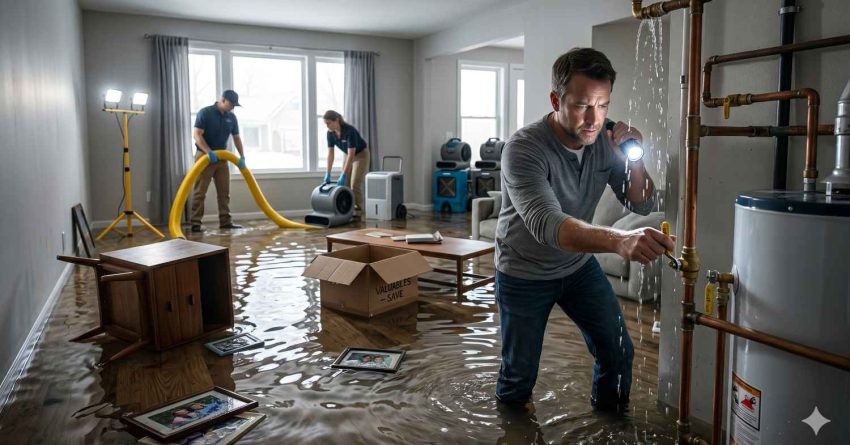
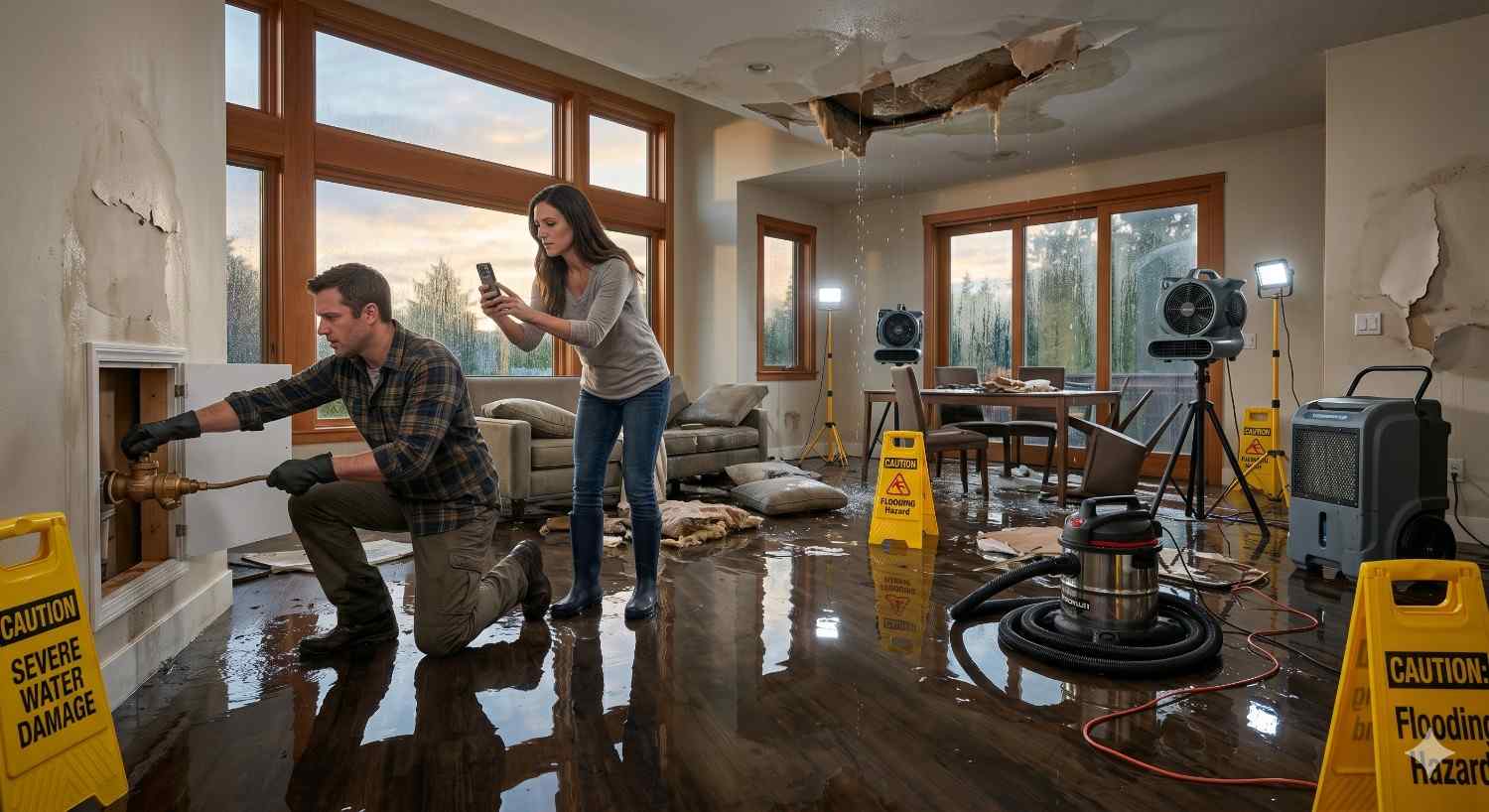
The first steps after water damage are simple but urgent. Stop the water source if safe to do so. Turn off electricity in flooded zones. Remove people, pets, and valuables from the affected area. Photograph everything before cleanup. Then contact your insurance company to begin a claim. These actions, taken within the first hour, define how much damage spreads.
Stop the Water Source and Cut the Power
Locate your main shutoff valve and close it to stop ongoing leaks. If a burst pipe is the cause, fast plumbing intervention prevents further flooding, and emergency plumbing repair is often needed before any cleanup begins. Next, switch off electricity at the breaker box for affected rooms. Standing water near outlets, appliances, or wiring creates serious electrocution risk. Never enter a flooded space with live power running.
Document Damage and Contact Your Insurance
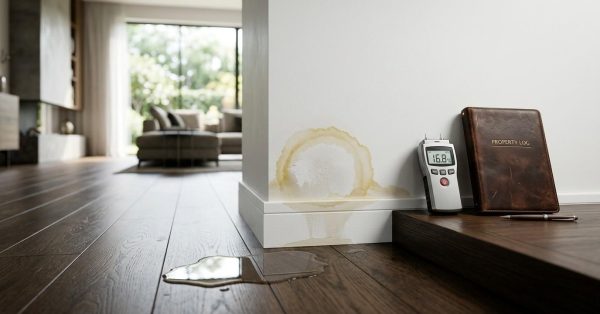
Use your phone to photograph and video every wet surface, damaged item, and water line on walls. Capture wide shots and close-ups. This visual record supports your insurance claim and prevents disputes later. Call your insurance provider promptly, report the incident, and ask about coverage limits, approved contractors, and required documentation. Save receipts for any temporary fixes you make.
The fastest path to full recovery often involves professional water damage restoration, which addresses extraction, drying, and structural repair under one coordinated process.
How to Begin Drying and Salvaging Your Property
Once the source is contained and documented, drying becomes the priority. Remove standing water using a wet vacuum, mop, or pump. Open windows, run fans, and place dehumidifiers in every wet room. Pull up soaked rugs, lift furniture onto blocks, and separate damp items so air reaches every surface. Mold can begin forming within 24 hours of exposure, so preventing mold growth after flooding starts with thorough, fast moisture removal across floors, walls, baseboards, and hidden cavities.
When to Call a Water Damage Restoration Professional
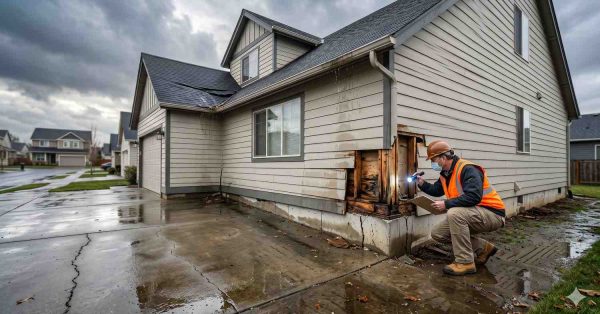
Call a professional when water has soaked drywall, subflooring, insulation, or HVAC systems. Sewage backups, large flood events, and contaminated water always require certified specialists. Professionals use industrial extractors, moisture meters, and antimicrobial treatments to fully dry hidden spaces and verify safe humidity levels. DIY drying often misses moisture trapped behind walls, leading to costly secondary damage.
Common Mistakes Homeowners Make After Water Damage
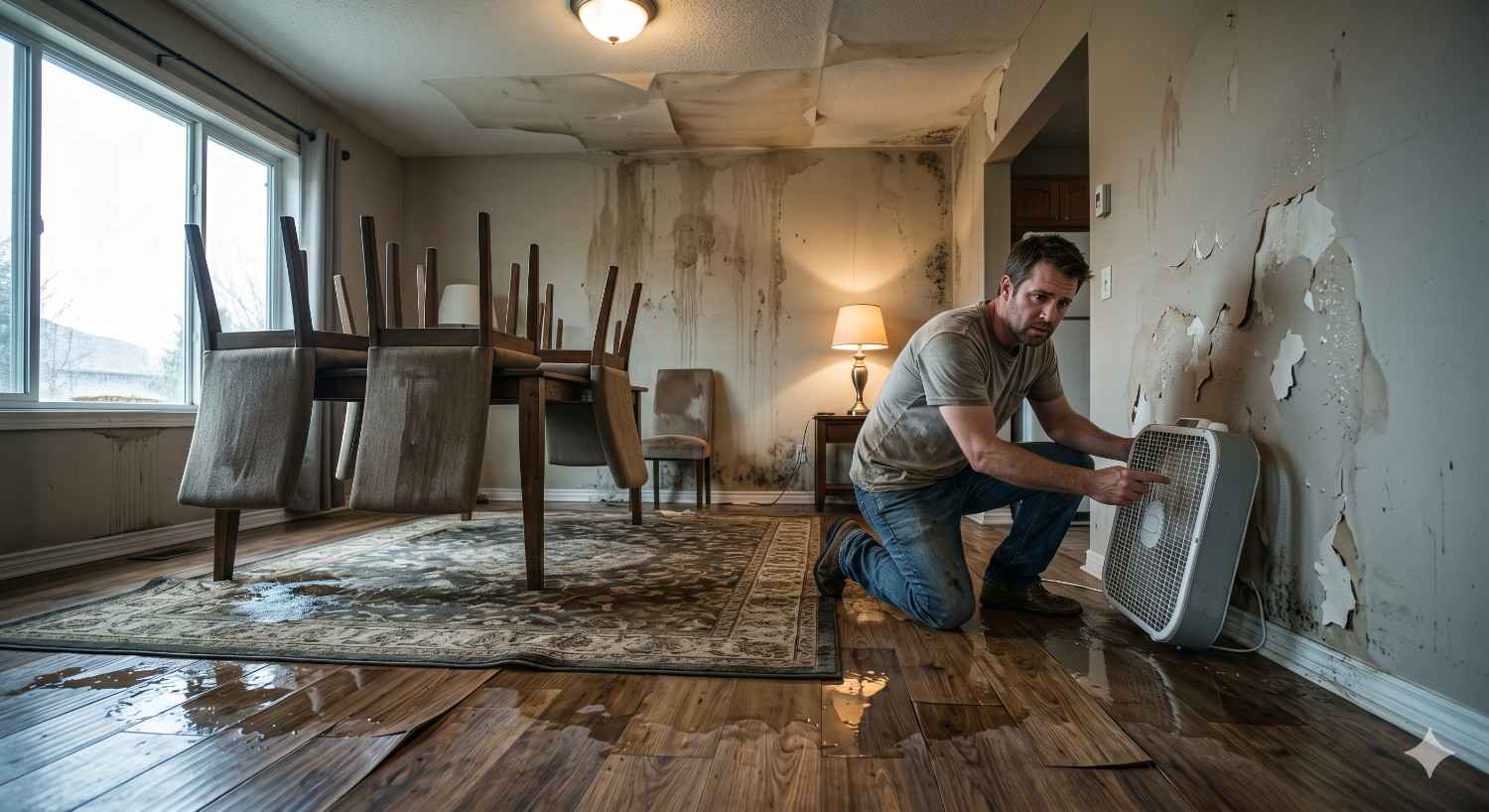
Many homeowners delay action, hoping surfaces will dry on their own. They underestimate hidden moisture inside wall cavities and under flooring. Some throw away damaged items before insurance documentation, weakening their claim. Others ignore minor leaks until mold appears. Skipping professional moisture testing is another costly mistake. Quick visual drying does not equal full structural drying, and shortcuts now lead to mold remediation, warped floors, and weakened framing later.
Conclusion
Acting fast after water damage protects your home, your health, and your wallet. Stop the source, document everything, and begin drying within hours.
For homeowners and property managers, early intervention determines whether you face minor cleanup or major reconstruction. Time is the deciding factor.
When water damage strikes, we connect you with trusted local specialists fast. Call Mr. Local Services today for reliable, expert restoration support.
Frequently Asked Questions
How long does it take for mold to grow after water damage?
Mold can begin forming within 24 to 48 hours of water exposure. Fast drying, ventilation, and dehumidification are essential to stop spores from spreading.
Does homeowners insurance cover water damage?
Most policies cover sudden, accidental water damage like burst pipes. Flooding from storms typically requires separate flood insurance. Always review your specific coverage details.
Can I stay in my house after water damage?
It depends on the severity. Minor leaks allow you to stay, but major flooding, sewage contamination, or electrical hazards usually require temporary relocation for safety.
What should I not do after water damage?
Do not enter rooms with standing water and live power. Avoid using household vacuums, moving wet electronics, or discarding damaged items before insurance documentation.
How much does water damage restoration cost?
Costs typically range from $1,300 to $5,600, depending on water category, area affected, and structural damage. Professional assessments give the most accurate estimate.