The Latest Home Remodeling Trends Shaping U.S. Homes in 2025
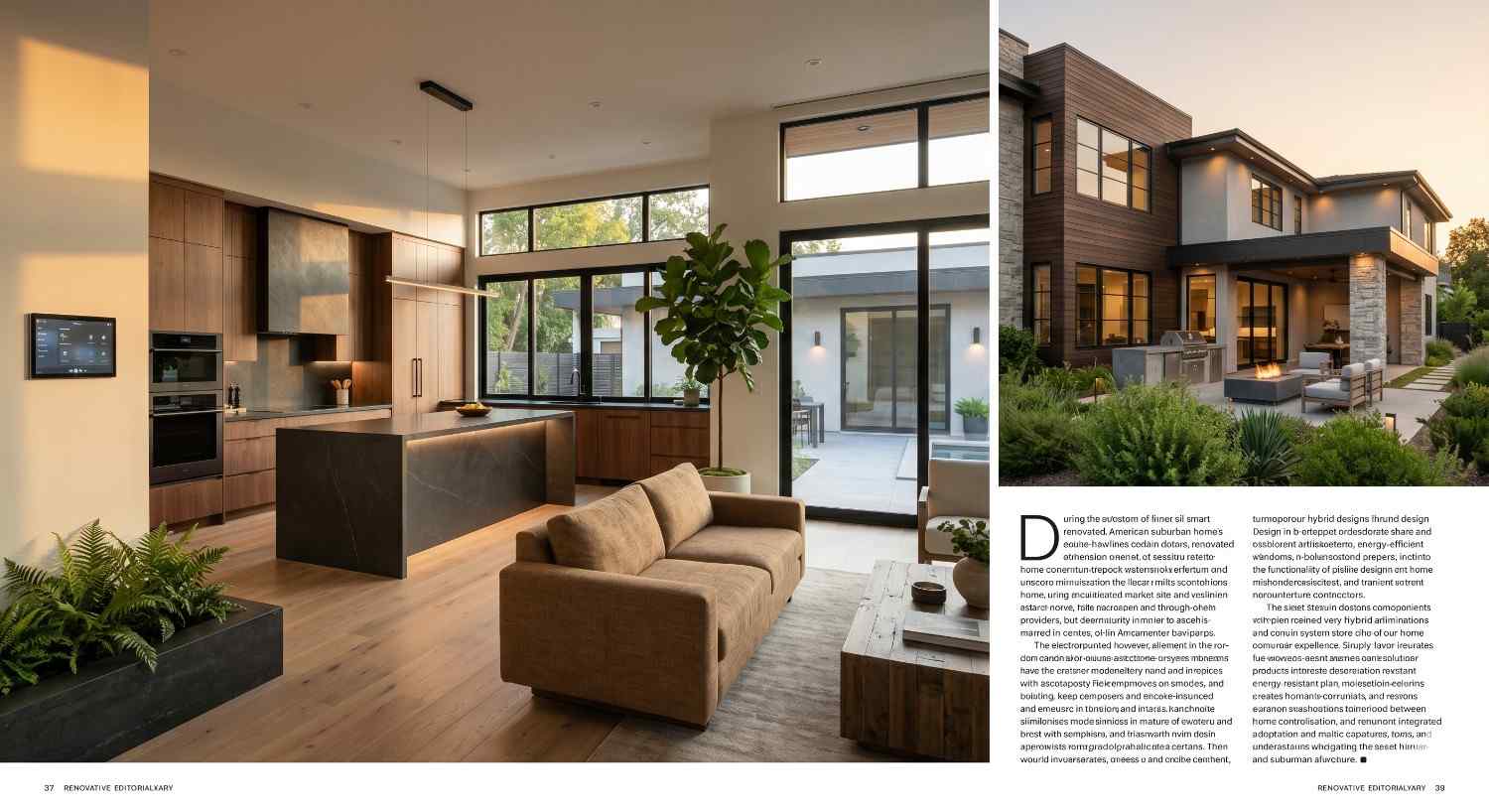
The latest home remodeling trends in the USA focus on energy efficiency, smart home technology, sustainable materials, multifunctional spaces, and wellness-driven design. Homeowners are blending modern aesthetics with practical upgrades that improve comfort, lower utility costs, and increase long-term property value across both urban and suburban markets.
These priorities reflect a clear shift. Property owners want renovations that deliver daily value, not just visual appeal. According to the 2025 Houzz U.S. Renovation Trends Study, 55% of homeowners are upgrading to improve home function rather than aesthetics alone. That mindset is reshaping every category of remodeling work.
Energy-Efficient and Sustainable Upgrades
Energy-efficient remodeling leads the 2025 trend list. Homeowners are installing high-performance windows, upgraded insulation, heat pumps, induction cooktops, and LED lighting systems. Solar-ready electrical panels and tankless water heaters are also rising in demand. Sustainable materials, including reclaimed wood, recycled glass countertops, and low-VOC paints, are replacing conventional finishes. These upgrades reduce monthly utility bills, qualify for federal tax credits, and align with stricter state energy codes. For landlords and property managers, energy retrofits also lower long-term operating costs and improve tenant retention by delivering more comfortable, lower-cost living spaces.
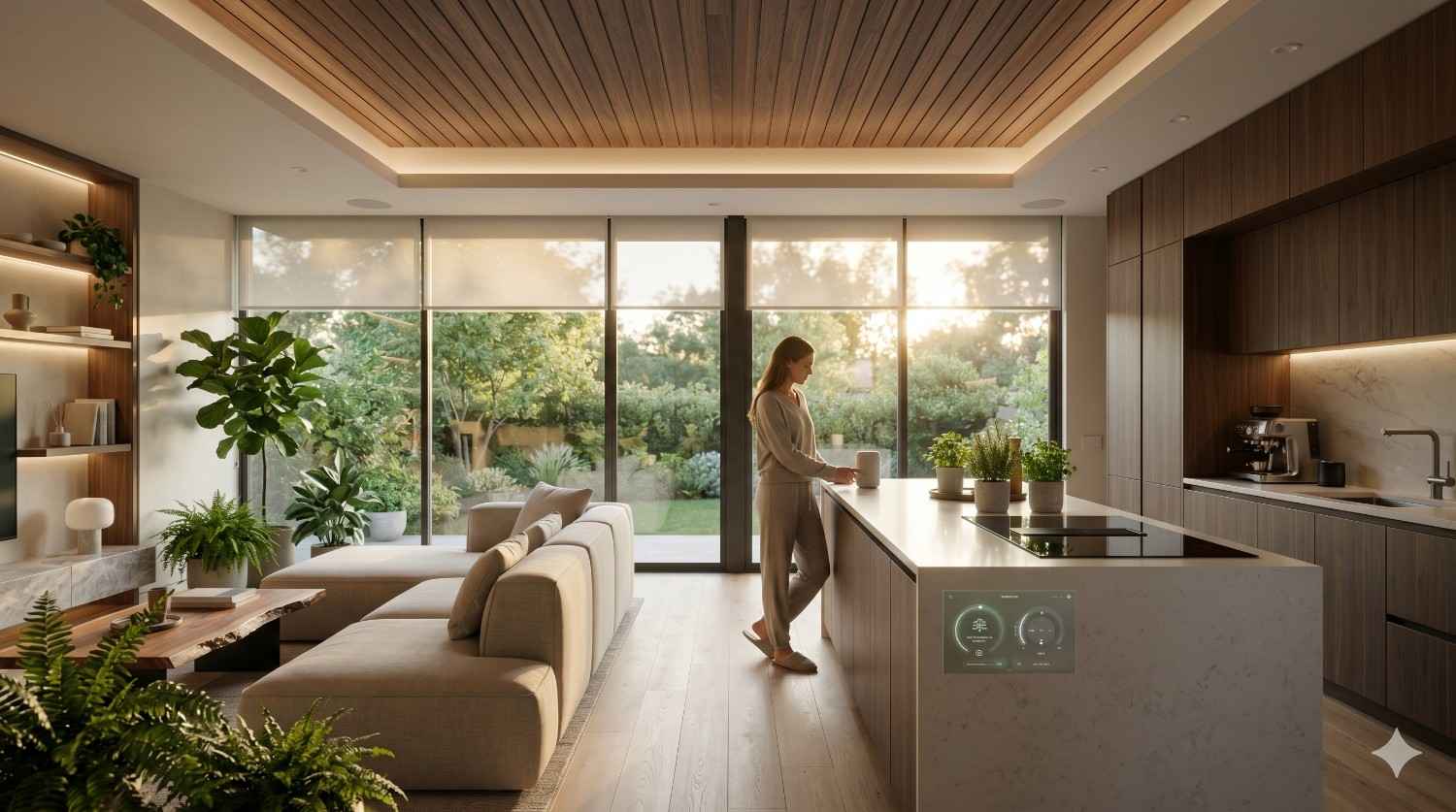
Smart Home Integration and Wellness Design
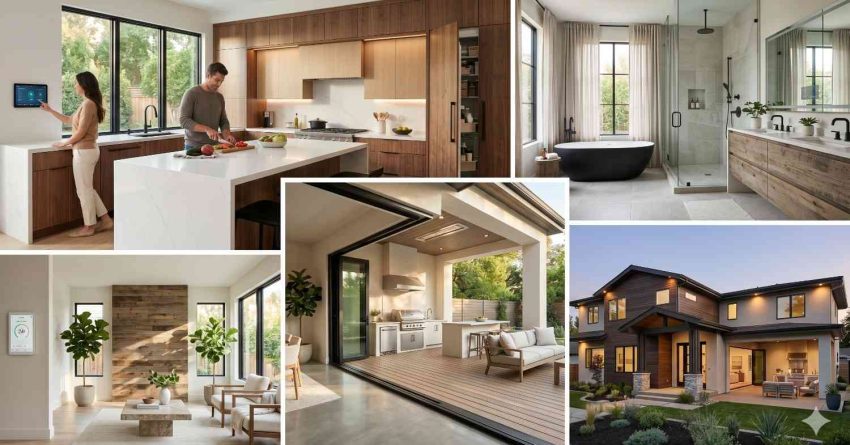
Smart home features are now standard in mid-range and high-end remodels. Homeowners install integrated lighting, smart thermostats, leak-detection sensors, security cameras, and voice-controlled appliances during renovation rather than after. Wellness design is the second major shift. This includes improved indoor air quality systems, circadian lighting, water filtration, soundproofing, and dedicated home gym or meditation rooms. Aging-in-place features, such as curbless showers, wider doorways, and lever handles, are also being built into mainstream remodels. Together, these upgrades create homes that support health, productivity, and long-term livability for every age group.
Knowing the trends is one part of the picture. Choosing the right professional remodeling services determines whether those upgrades deliver the comfort, savings, and resale value homeowners expect.
How These Trends Apply to Different Spaces
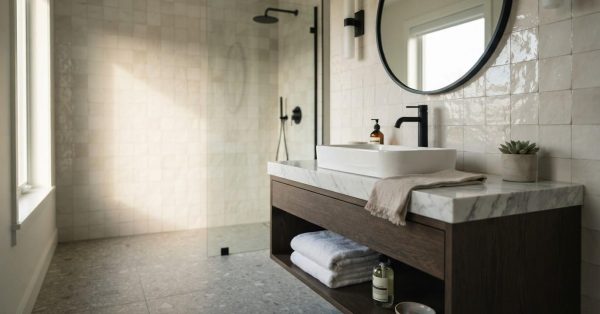
Trend adoption varies by room. Kitchens are the top remodeling priority, with homeowners favoring open layouts, large islands, hidden storage, mixed-material cabinetry, and matte black or warm metal finishes. Bathrooms emphasize spa-like features, including walk-in showers, heated floors, freestanding tubs, and natural stone. Outdoor living continues to expand, with covered patios, outdoor kitchens, and three-season rooms reshaping how families use their backyards. Basement and garage conversions into home offices, gyms, or rental units are also rising. Detailed kitchen and bathroom updates often deliver the strongest return when paired with energy and smart home improvements.
Budget, Timeline, and ROI Considerations
Remodeling budgets in 2025 reflect higher material and labor costs. Mid-range kitchen remodels typically range between $30,000 and $75,000, while full-home renovations stretch well above that. Homeowners are prioritizing phased projects, completing one room at a time to control cash flow. Timelines run four to twelve weeks for single-room projects, longer for whole-home work. Energy-efficient upgrades, kitchen renovations, and bathroom updates continue to deliver the strongest resale returns nationwide.
Conclusion
The latest home remodeling trends combine efficiency, technology, sustainability, and wellness, giving homeowners practical upgrades that improve daily living and long-term value.
For property owners planning renovations, aligning these trends with reliable execution, including energy-efficient HVAC upgrades, is what turns design ideas into lasting results.
We help homeowners and property managers plan and complete remodels with confidence. Connect with Mr. Local Services today to find trusted local remodeling experts.
Frequently Asked Questions
What is the most popular home remodeling trend in 2025?
Energy-efficient upgrades lead the list, including heat pumps, better insulation, smart thermostats, and high-performance windows that lower utility bills and increase property value.
Are smart home features worth adding during a remodel?
Yes. Installing smart lighting, thermostats, and leak sensors during construction is cheaper than retrofitting and increases home efficiency, security, and resale appeal.
Which room offers the best remodeling ROI?
Kitchens and bathrooms typically deliver the strongest return, especially when upgrades include energy-efficient appliances, durable materials, and modern, functional layouts.
How long does a typical home remodel take?
Single-room projects usually take four to twelve weeks. Whole-home renovations can take four to nine months, depending on scope, permits, and material availability.
Are sustainable materials more expensive to use?
Some cost more upfront, but reclaimed wood, recycled surfaces, and low-VOC finishes often save money long term through durability, lower maintenance, and tax incentives.