A house loses value the most from serious structural problems, especially foundation damage and unresolved water issues. These hidden defects scare off buyers, fail inspections, and slash appraisals fast. Other factors like outdated systems, poor maintenance, and neighborhood decline also chip away at value, but nothing reduces a home’s worth faster than damage that threatens its safety, integrity, or long-term durability. Knowing what hurts value most helps homeowners protect their largest financial asset.
The Single Biggest Factor That Devalues a House
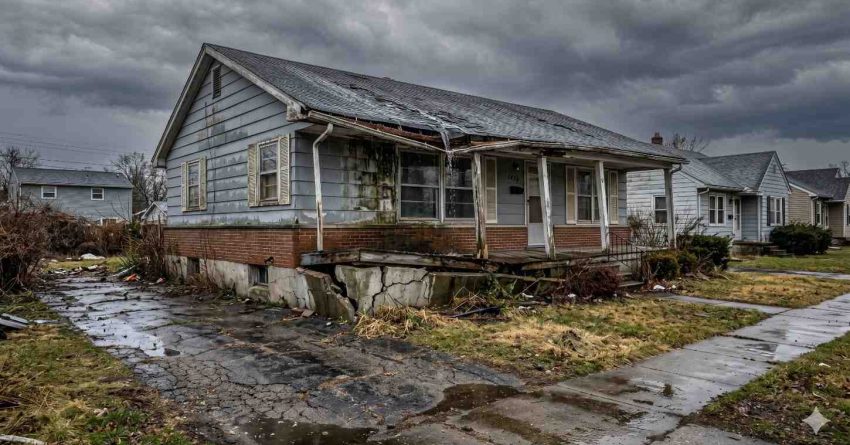
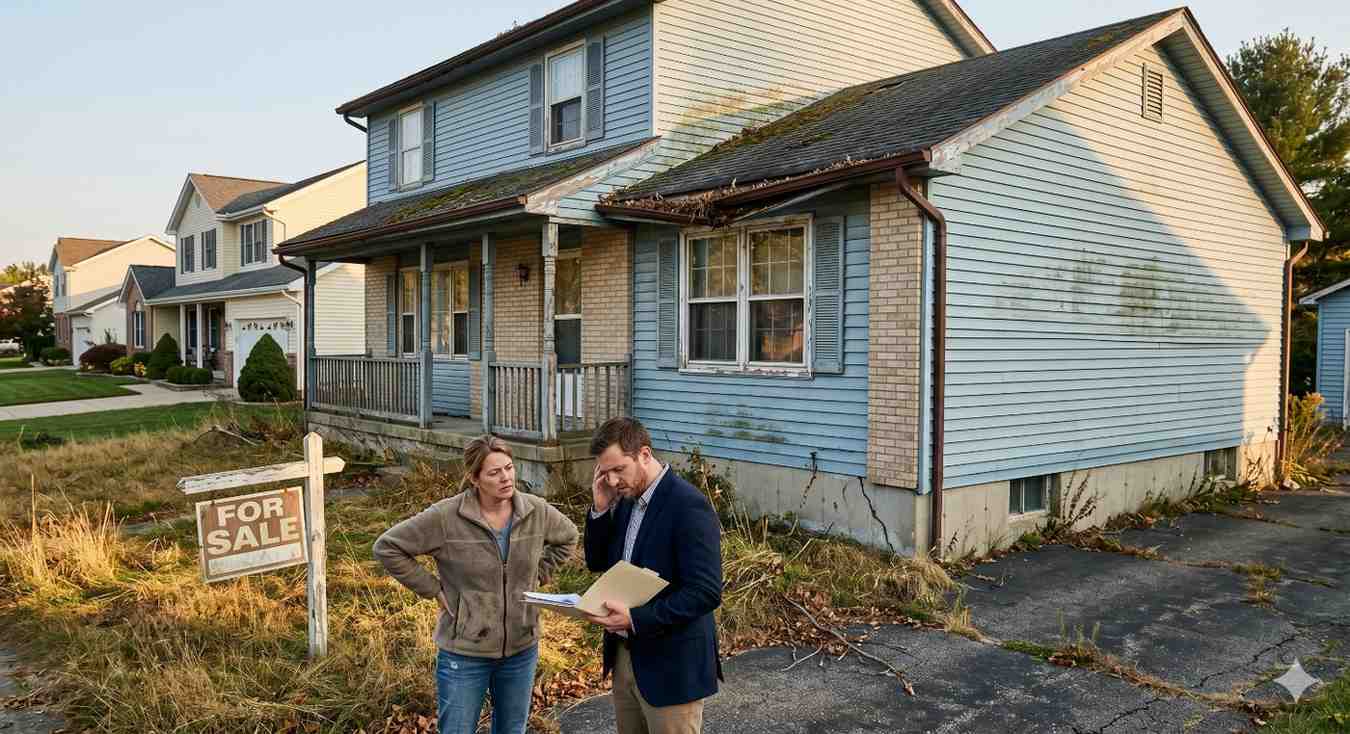
The biggest factor that devalues a house is structural damage, with foundation problems and water damage causing the steepest drops. Buyers and appraisers see these as red flags because they signal expensive, ongoing risk. A home with cracked foundations, sagging floors, or moisture intrusion can lose 10% to 15% of its market value almost immediately.
Why Structural and Foundation Issues Top the List
Foundation problems shake buyer confidence faster than any cosmetic flaw. Cracks in walls, uneven floors, sticking doors, and visible settling all point to structural instability. Repairs often cost thousands and trigger lender concerns during financing. Appraisers heavily discount properties with active movement or unrepaired damage. Even after fixes, disclosure laws require sellers to report past issues, which keeps the home’s value below comparable properties for years. Structural integrity is the foundation of every other value driver in real estate.
How Water Damage Quietly Destroys Property Value
Water damage is the silent value killer. Leaks behind walls, roof seepage, plumbing failures, and poor drainage create mold, rot, and warped framing. Buyers fear hidden moisture because the visible signs usually represent a small fraction of the actual damage. Insurance claims and disclosure history follow the property permanently. Left untreated, water issues compound, leading to electrical hazards, structural decay, and air quality problems that price the home well below market.
Addressing damage early is essential, and professional water damage repair often pays for itself by preventing the deeper structural issues that buyers and appraisers penalize most heavily.
Other Major Factors That Lower Home Value
Beyond structural and water issues, several visible and systemic problems consistently reduce property value across the USA market.
Outdated Systems, Roofing, and Curb Appeal
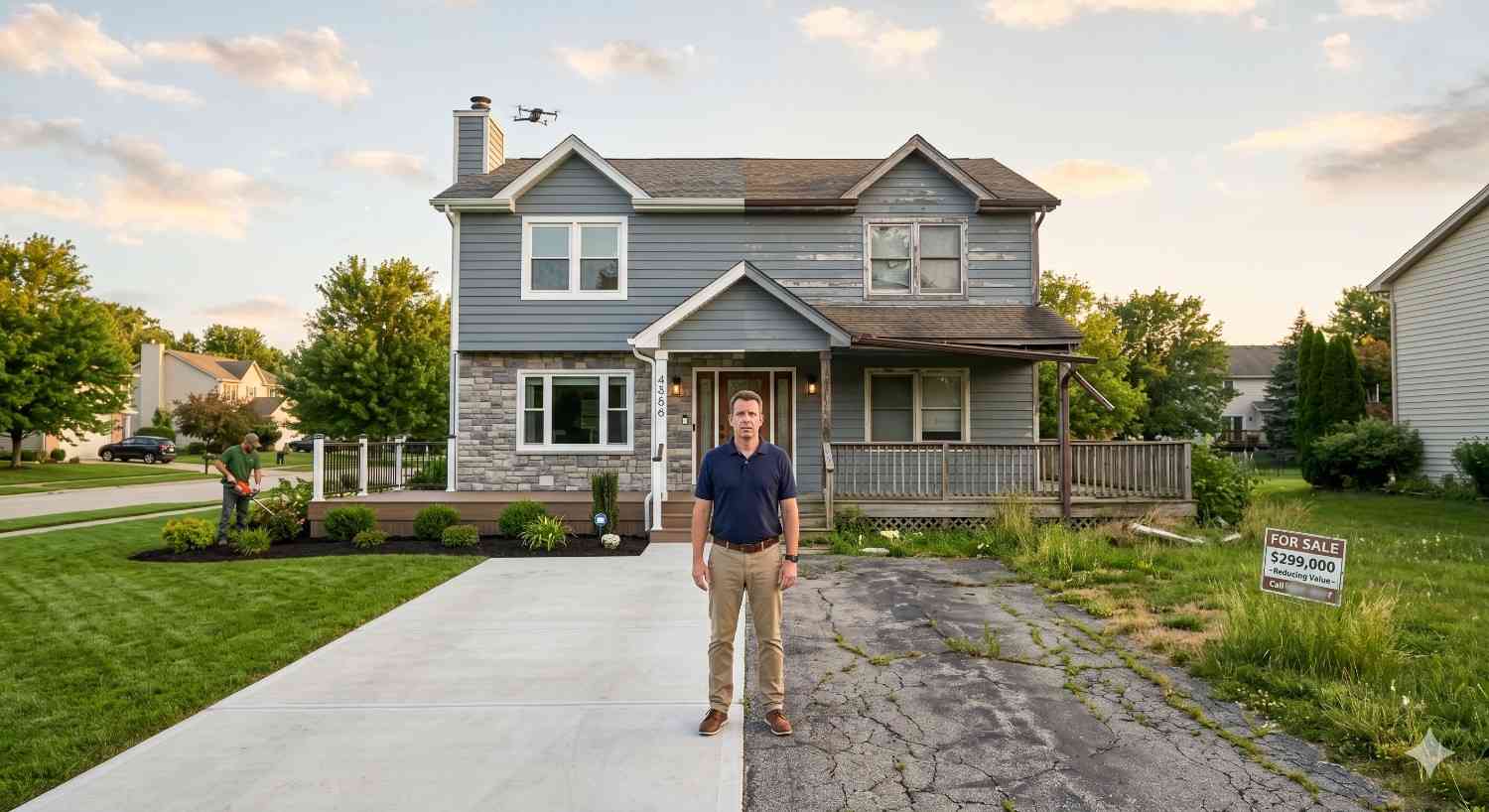
A failing roof can knock thousands off an offer. Buyers calculate replacement costs immediately, and lenders may refuse loans on homes with damaged roofing. Aging HVAC systems, old electrical panels, and outdated plumbing carry similar weight because they signal upcoming expenses. Curb appeal also matters more than many homeowners realize. Peeling paint, dead landscaping, broken walkways, and dirty siding lower perceived value before a buyer steps inside. Investing in timely roof repairs, modern systems, and basic exterior care protects pricing power.
Neighborhood and External Influences
Some devaluation factors sit outside the property line. Rising crime rates, declining schools, nearby foreclosures, and new commercial development can all pull values down. Noise from highways, airports, or industrial zones reduces buyer interest. Poor neighbor maintenance, including unkempt yards or visible disrepair on adjacent homes, also lowers comparable sale prices. Homeowners cannot control these factors, but understanding them helps explain pricing pressure that maintenance alone cannot fix.
How Homeowners Can Prevent Value Loss
Prevention is far cheaper than restoration. Regular inspections catch foundation cracks, roof wear, and plumbing leaks before they become disclosure issues. Seasonal maintenance, including gutter cleaning, HVAC servicing, and pest control, stops small problems from compounding. Cosmetic care matters too, with fresh paint, clean landscaping, and updated fixtures preserving curb appeal year-round. Scheduling routine handyman maintenance keeps the home consistently market-ready and reduces the risk of surprise repairs that drag down appraised value when it is time to sell.
Conclusion
Structural damage, water intrusion, failing systems, and poor upkeep devalue a house faster than anything else. Addressing them early protects long-term equity.
For homeowners, landlords, and property managers, consistent maintenance and trusted service providers are the strongest defense against avoidable value loss in any market.
We help you protect property value year-round. Connect with Mr. Local Services today for reliable repairs, maintenance, and home improvement solutions you can count on.
Frequently Asked Questions
What single repair adds the least value back to a home?
Cosmetic upgrades like luxury fixtures rarely return their cost. Buyers prioritize structural soundness, working systems, and clean maintenance history over high-end finishes that mainly suit personal taste.
Does an old roof really lower home value?
Yes. A roof nearing the end of its lifespan can reduce offers significantly. Buyers and lenders view it as an immediate expense, often demanding price cuts or replacement before closing.
How much does foundation damage reduce home value?
Foundation issues can cut value by 10% to 20%, depending on severity. Even after repairs, disclosure requirements and buyer hesitation often keep pricing below comparable homes.
Can a bad neighborhood devalue a well-maintained house?
Absolutely. Crime, school quality, and neighboring property conditions strongly influence appraisals. A pristine home in a declining area still faces downward pricing pressure from local comparables.
Is mold worse than water damage for property value?
Mold is usually a result of unresolved water damage and amplifies the problem. It triggers health concerns, costly remediation, and disclosure obligations that further reduce buyer offers.