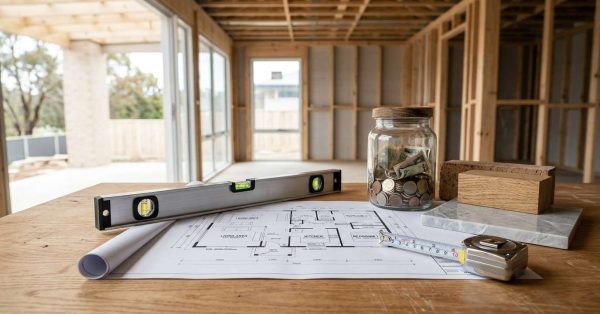
A reasonable remodeling budget typically falls between 10% and 15% of your home’s current value, with most U.S. homeowners spending $20,000 to $75,000 on a full renovation. The right number depends on the rooms involved, materials chosen, and the condition of your property. Setting a clear budget upfront helps you balance quality, function, and long-term value while avoiding costly surprises during construction.
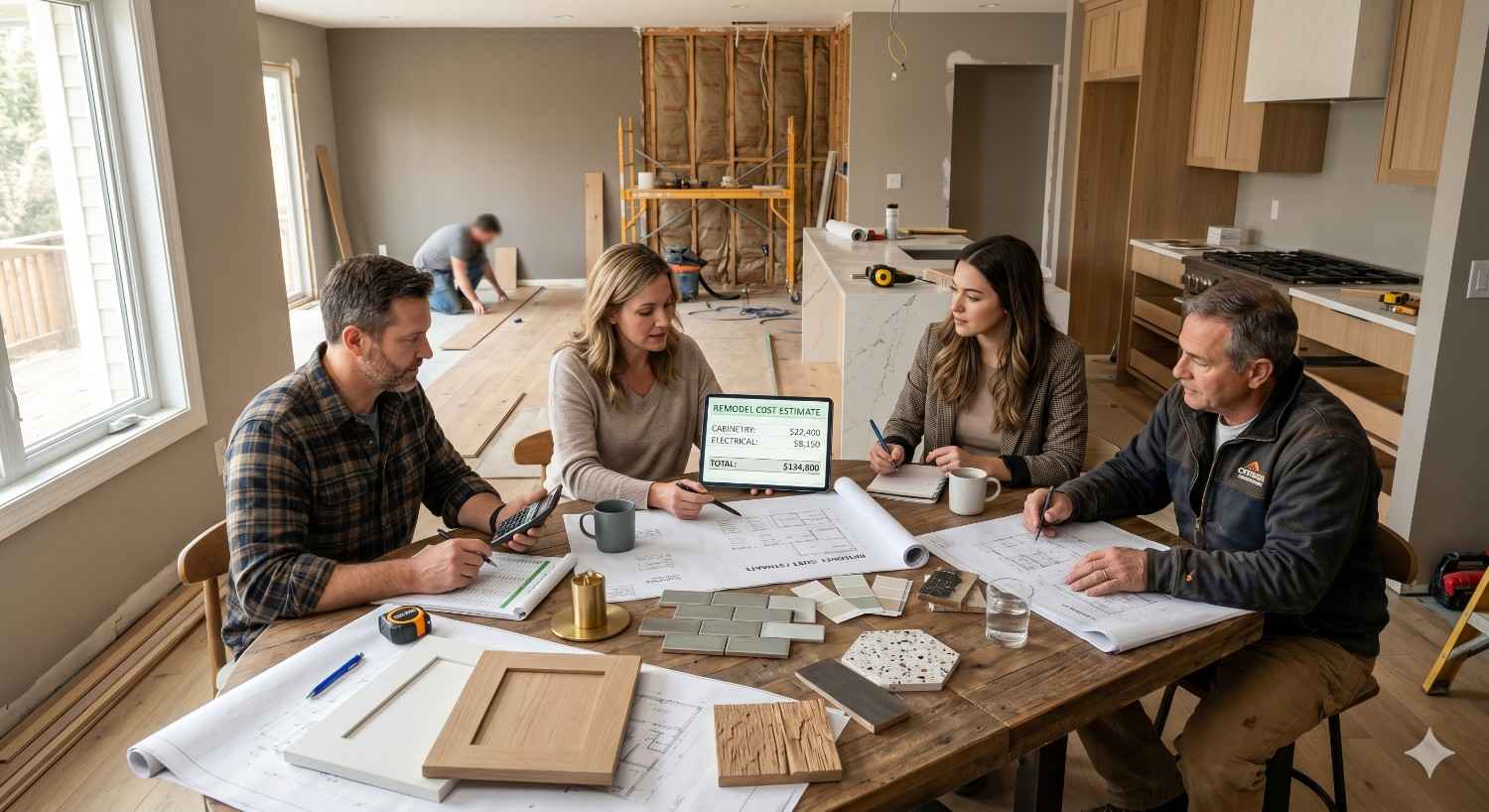
How Much Should You Budget for a Home Remodel?
A reasonable remodeling budget for most U.S. homeowners ranges from $20,000 to $75,000, or about 10% to 15% of the home’s value. Smaller updates may cost less, while full-home renovations can exceed $150,000. Your budget should reflect the project scope, materials, and your long-term goals for the property.
The 10–15% Home Value Rule
Industry professionals often recommend spending no more than 10% to 15% of your home’s current market value on a single remodeling project. For a $400,000 home, that means a working budget of $40,000 to $60,000. This rule protects your return on investment and prevents overspending on upgrades the local market will not support. Going beyond this range is reasonable only when the home will serve you long term or when major systems need replacement.
Average Cost Ranges by Project Type
Costs vary widely depending on the room and finish level. Kitchen remodels generally run $25,000 to $75,000, while bathroom renovations average $10,000 to $35,000. Basement finishing typically falls between $20,000 and $50,000, and whole-home remodels can range from $100,000 to over $200,000. Cosmetic updates such as painting, flooring, or cabinet refinishing are far more affordable, often staying under $15,000 while still delivering noticeable improvements.
The numbers give you a starting point. The next step is understanding what shapes the scope of your remodeling project and how each decision affects your final cost.
What Affects Your Remodeling Budget?
Several factors shape your final remodeling cost. Project size and complexity drive the largest expenses, followed by material quality, regional labor rates, and structural work such as plumbing or electrical changes. Permits, design fees, and unforeseen repairs like water damage or outdated wiring also add to the total. Homes in major metropolitan areas typically see costs 20% to 30% higher than rural regions due to labor demand and material delivery.
Materials, Labor, and Scope of Work
Materials and labor usually split your budget evenly, with each accounting for roughly 40% to 50% of total costs. Premium finishes like quartz countertops or hardwood flooring raise expenses quickly, while mid-range alternatives offer strong value without sacrificing durability. Labor costs also rise with project complexity. Moving walls, upgrading HVAC systems, or redesigning layouts requires skilled trades and longer timelines, both of which expand the budget significantly.
How to Plan a Realistic Remodeling Budget
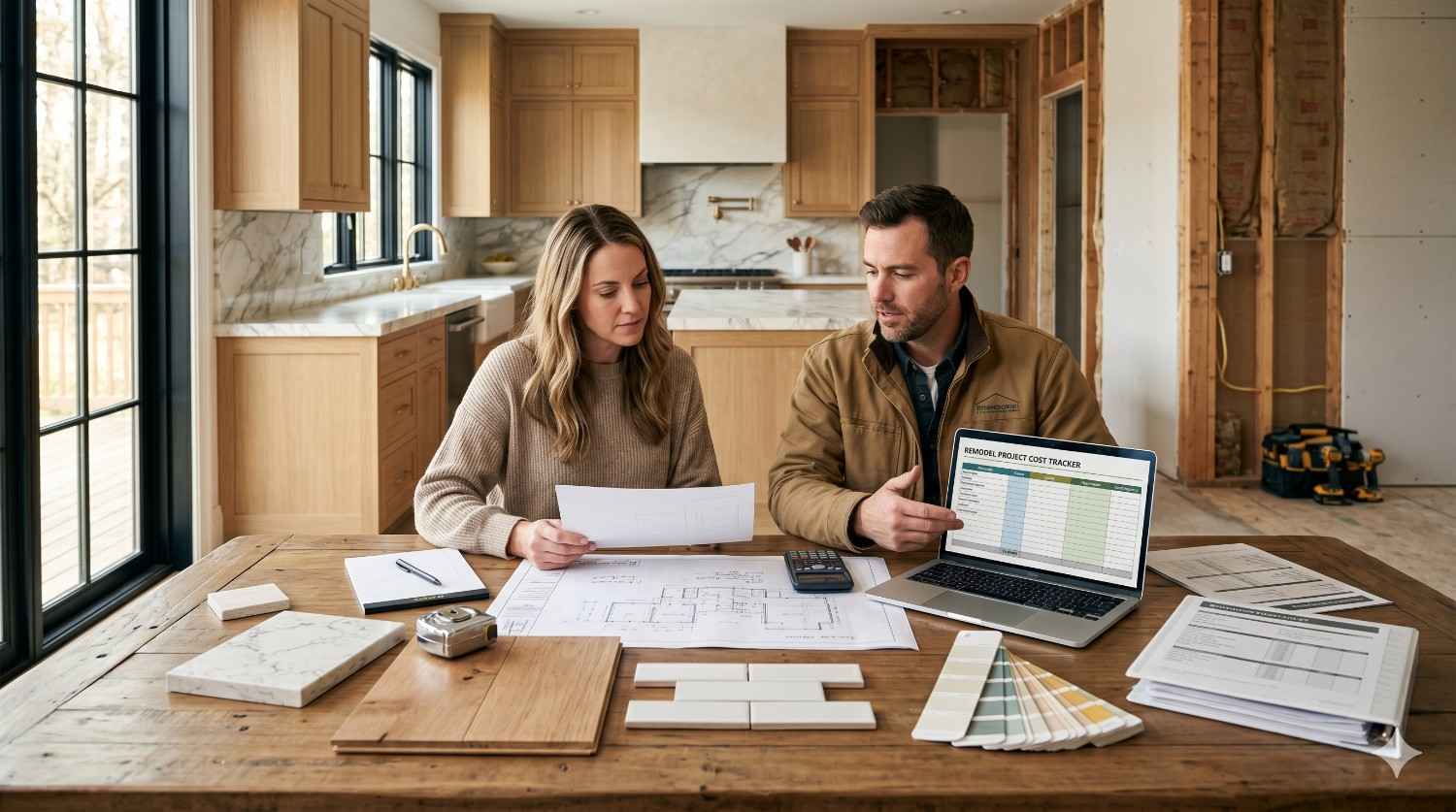
Start by defining clear priorities. List the must-have changes, the nice-to-have upgrades, and the items you can postpone. Get at least three written estimates from licensed professionals to compare scope and pricing fairly. Always set aside a contingency fund of 15% to 20% for unexpected issues such as hidden damage or material delays. Choosing the right team matters as much as the budget itself, and hiring a qualified contractor ensures the work matches your investment.
Conclusion
A reasonable remodeling budget aligns with your home’s value, project scope, and long-term plans, typically landing between 10% and 15% of property value.
For homeowners, landlords, and property managers, smart budgeting protects both your investment and your property’s functionality for years to come.
Ready to start your remodel with confidence? Connect with Mr. Local Services today to find trusted professionals who deliver quality work and transparent pricing.
Frequently Asked Questions
Is $50,000 enough to remodel a house?
$50,000 can fund a quality kitchen remodel, two bathroom updates, or several cosmetic improvements throughout a mid-sized home, depending on materials and labor rates in your area.
What is the most expensive part of remodeling?
Kitchens and bathrooms are typically the costliest rooms because they involve plumbing, electrical work, cabinetry, and premium finishes that require skilled labor and specialized materials.
How much should I save before remodeling?
Save your full project estimate plus a 15% to 20% contingency fund. This buffer covers unexpected repairs, material price changes, or scope adjustments during construction.
Does remodeling increase home value?
Yes, well-planned remodels often recover 60% to 80% of their cost at resale. Kitchens, bathrooms, and curb-appeal projects typically deliver the strongest returns on investment.
Should I remodel or move?
Remodeling makes sense when you love your location and the project cost stays within 15% of home value. Moving is wiser when major structural issues exceed renovation budgets.