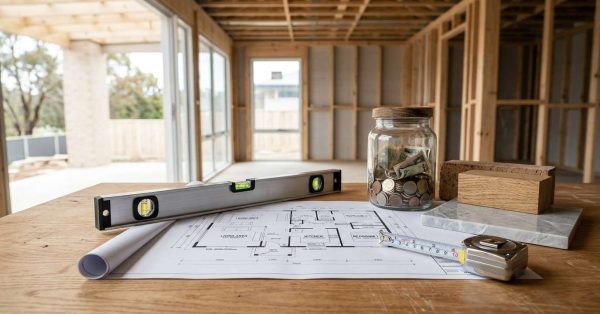
Understanding the 30% Rule for Renovations
The 30% rule for renovations advises homeowners to spend no more than 30% of their home’s current market value on any single renovation project. It protects long-term property value, prevents over-improvement, and keeps upgrades aligned with neighborhood resale expectations.
This guideline matters because renovation costs can quickly outpace the value they add. Spending beyond the 30% mark often means you cannot recover the investment when selling. The rule applies to homeowners, landlords, and property managers planning kitchens, bathrooms, additions, or full-property updates. It works as a guardrail, not a hard ceiling, helping you make confident decisions before signing contracts or hiring contractors.
Why the 30% Cap Exists
The 30% cap exists because real estate appraisals follow neighborhood comparables. If you renovate beyond what nearby homes support, your appraisal will not reflect every dollar spent. Buyers compare features against local norms, not your receipts. The rule keeps improvements proportional to the property’s market position, so each upgrade strengthens equity rather than draining it. For landlords, it also keeps rental returns realistic and preserves cash flow.

How to Calculate Your 30% Renovation Budget
Start with your home’s current market value, not its purchase price. Multiply that figure by 0.30 to find your maximum recommended renovation spend. For a home valued at $400,000, your renovation ceiling is $120,000 total, spread across all projects. Get a recent appraisal or comparative market analysis for accuracy. Then divide the budget across priority categories: structural, mechanical, cosmetic. This gives you a defensible spending plan before requesting quotes.
Knowing the number is one step. Planning a full home remodel requires breaking that figure into trades, timelines, and material choices that match your property’s value tier.

When the 30% Rule Applies in Real Renovations
The 30% rule applies most directly to discretionary improvements like kitchens, bathrooms, finished basements, additions, and exterior upgrades. These projects influence resale value and appraisal outcomes, so spending discipline matters. The rule is less strict for essential repairs like foundation work, electrical safety upgrades, or plumbing replacement, since those protect the property from loss rather than chasing value gains. Property managers often apply the rule across portfolios, capping per-unit spending to maintain consistent returns.
Common Projects That Fit Within the 30% Budget
A mid-range kitchen refresh, a bathroom remodel, new flooring, fresh interior painting, and updated lighting typically fit within the 30% range for most homes. Window replacements, deck builds, and HVAC upgrades also fall within scope when planned thoughtfully. For smaller repair and upkeep tasks, the costs rarely approach the 30% threshold, which means routine maintenance can continue without disrupting your renovation budget.
When You Should Adjust the 30% Rule
Adjust the rule when you plan to stay in the home for more than ten years, since lifestyle value outweighs resale recovery over long ownership. Also adjust when essential repairs push the budget higher, such as roof replacement, water damage restoration, or major electrical rework. In hot markets where comparable homes sell with premium finishes, exceeding 30% can be justified. The rule is a planning anchor, not a contract. Use it to start the conversation, then refine with local data and trusted contractors.
Conclusion
The 30% rule for renovations keeps your spending aligned with your home’s true market value, protecting equity while still allowing meaningful upgrades.
For long-term homeowners and property managers, this rule guides smarter decisions across kitchens, bathrooms, and high-impact updates like roof replacement projects that demand careful budgeting.
We help you plan, budget, and complete renovations with confidence. Connect with Mr. Local Services today for trusted contractors and transparent pricing.
Frequently Asked Questions
Does the 30% rule apply to investment properties?
Yes, but landlords often cap spending lower, around 15–20%, to protect rental yields and maintain healthy cash flow across multiple units.
Can I exceed the 30% rule for kitchen renovations?
You can, but recovery at resale is limited. Exceed it only if you plan to enjoy the kitchen long-term or live in a premium market.
Does the 30% rule include labor and materials?
Yes, the rule covers total project cost, including labor, materials, permits, and contractor fees, not just the visible finishes.
Should emergency repairs count toward the 30% budget?
No, urgent repairs like burst pipes or roof leaks fall outside the rule because they preserve property condition rather than add value.
How often should I review my renovation budget?
Review it annually or whenever your home’s market value shifts noticeably, since the 30% ceiling moves with appraised value.