A 20×20 deck costs between $8,000 and $24,000 to build in 2026, with most homeowners paying around $16,000 for a mid-range pressure-treated or composite build. The exact price depends on materials, labor rates in your region, site preparation, and whether you add features like railings, stairs, or built-in seating. This guide breaks down every cost component so you can budget confidently and compare contractor quotes with clarity.
20×20 Deck Cost in 2026 — The Direct Answer
A standard 20×20 deck (400 square feet) costs $20 to $60 per square foot installed, putting the total project price between $8,000 and $24,000 in 2026. Pressure-treated wood sits at the lower end, composite decking falls in the middle, and tropical hardwoods like ipe reach the top of the range. This estimate covers materials, labor, fasteners, and basic finishing.
Average Price Range by Material
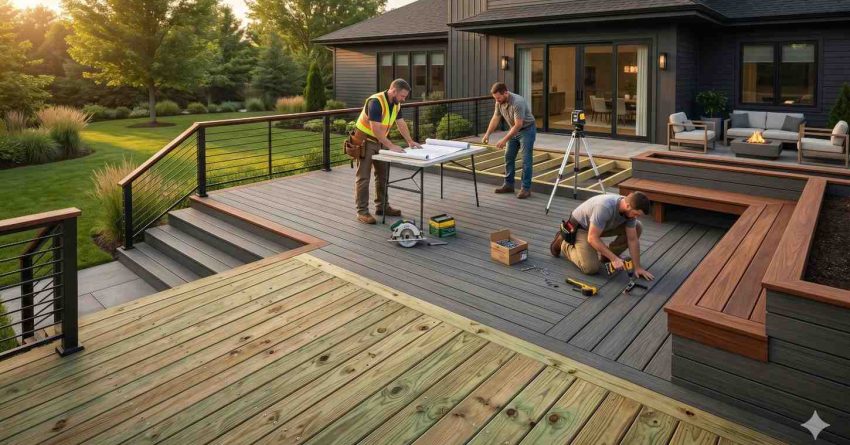
Pressure-treated pine remains the most affordable option at $20 to $30 per square foot installed, totaling $8,000 to $12,000 for a 20×20 build. Composite decking, made from recycled wood and plastic, runs $30 to $45 per square foot, bringing the total to $12,000 to $18,000. Cedar and redwood land between $28 and $40 per square foot. Premium hardwoods like ipe or tigerwood push pricing to $50 to $60 per square foot, with totals reaching $20,000 to $24,000.
What’s Included in the Total Cost
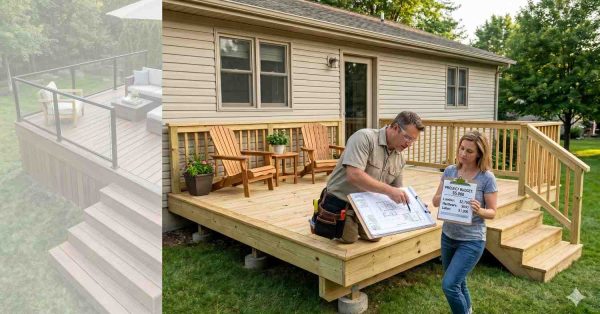
A typical 20×20 deck quote covers framing lumber, decking boards, joist hangers, screws, concrete footings, and labor. Most contractors include basic railings and one set of stairs in their base price. Excluded items often include permits, site grading, electrical work, and decorative upgrades like pergolas or built-in lighting. Always request an itemized estimate so you can see exactly where your money goes and avoid surprise charges during construction.
The price range gives you a starting point. The harder decision is choosing the right decking material for your climate, maintenance tolerance, and long-term budget.
Cost Factors That Shift Your Final Price
Several variables move your 20×20 deck cost up or down within the typical range. Deck height matters significantly: a ground-level platform costs less than an elevated second-story deck because elevated builds require longer posts, additional bracing, and code-mandated railings. Site conditions also play a role. Sloped lots, rocky soil, or limited access for materials and crews increase labor hours. Custom shapes, multi-level designs, and built-in features like benches or planters add 15% to 30% to the base price.
Labor, Permits, and Site Conditions
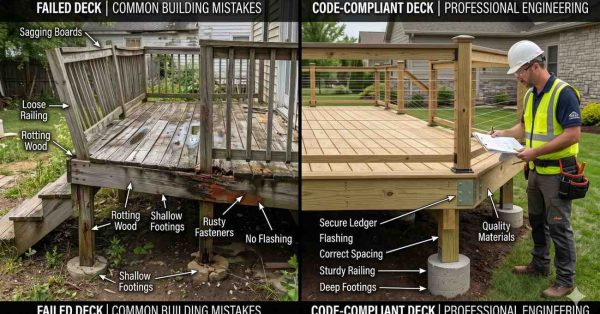
Labor accounts for 40% to 60% of total deck cost, with rates varying by region. Urban markets in the Northeast and West Coast see higher hourly rates than rural areas in the Midwest or South. Permit fees typically range from $200 to $800, and inspection requirements vary by municipality. Some areas require engineered drawings for elevated decks. Understanding local permit requirements for decks before you sign a contract prevents costly delays and code violations.

Pressure-Treated vs. Composite vs. Hardwood
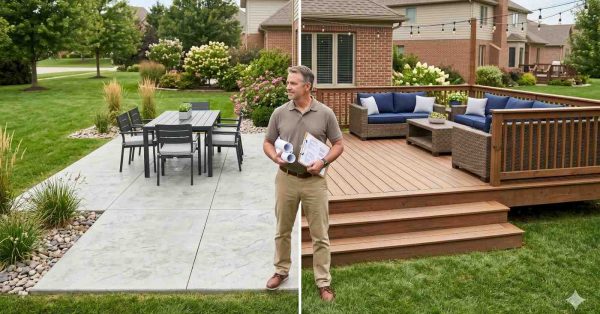
Pressure-treated wood offers the lowest upfront cost but requires staining or sealing every two to three years. Composite decking costs more initially but eliminates most maintenance, lasting 25 to 30 years with only occasional cleaning. Hardwoods deliver premium aesthetics and natural durability but demand annual oiling to retain their color. Over a 20-year period, composite often proves the most economical choice when you factor in labor, stain, and replacement costs. Match the material to your maintenance habits, not just your initial budget.
Conclusion
A 20×20 deck in 2026 ranges from $8,000 to $24,000, shaped by material choice, labor rates, and site complexity. Knowing the breakdown helps you compare quotes and avoid hidden fees.
Smart deck planning balances upfront cost against long-term value, giving homeowners and property managers a structure that adds usable space, curb appeal, and resale strength for years.
Ready to build with confidence? Mr. Local Services connects you with trusted, vetted deck builders who deliver transparent pricing and quality craftsmanship. Get your free quote today.
Frequently Asked Questions
How long does it take to build a 20×20 deck?
Most 20×20 decks take one to three weeks from start to finish, depending on weather, permit timelines, design complexity, and contractor availability in your area.
Do I need a permit for a 20×20 deck?
Yes. A 400-square-foot deck almost always requires a building permit. Costs typically range from $200 to $800, and inspections are required at multiple construction stages.
Is composite or wood decking cheaper long-term?
Composite is cheaper long-term. Despite higher upfront costs, composite eliminates staining and sealing expenses, saving homeowners $2,000 to $5,000 in maintenance over 20 years.
Does a 20×20 deck add value to my home?
Yes. A well-built 20×20 deck typically returns 65% to 75% of its cost at resale, while expanding usable outdoor living space and improving overall property appeal.
Can I build a 20×20 deck myself to save money?
DIY can save 40% to 60% on labor, but requires permits, structural knowledge, and significant time. Mistakes often cost more than hiring a licensed deck builder upfront.