A 16×20 deck typically costs between $6,400 and $19,200 to build in the USA, with most homeowners paying around $9,600 for a standard pressure-treated wood deck. The total price depends on the decking material, labor rates in your area, railing style, stairs, and any built-in features. This guide breaks down the average cost, the factors that move the price up or down, and what to expect when planning your project.
Average Cost of a 16×20 Deck in the USA
A 16×20 deck covers 320 square feet and costs $20 to $60 per square foot installed, putting the total project cost between $6,400 and $19,200. Pressure-treated wood sits at the low end, composite decking falls in the middle, and tropical hardwoods or PVC reach the high end. Labor accounts for roughly half of the final price.
Pressure-Treated Wood Deck Cost
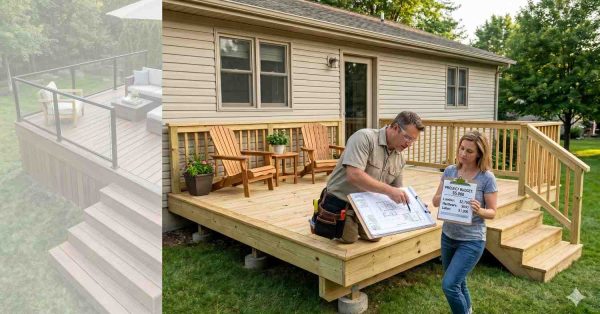
Pressure-treated lumber remains the most affordable option for a 16×20 deck, ranging from $6,400 to $10,200 installed. The material itself runs about $3 to $7 per square foot, with labor adding the rest. It resists rot and insects but requires sealing every two to three years. This makes it a strong choice for budget-conscious homeowners who do not mind regular upkeep.
Composite and Premium Material Cost
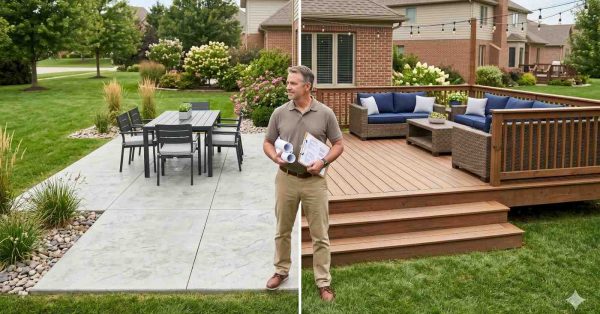
Composite decking for a 16×20 deck costs $10,500 to $16,000 installed, while PVC and tropical hardwoods like ipe push prices to $17,000 to $19,200 or more. Composite resists fading, staining, and splintering with almost no maintenance. Premium materials carry a higher upfront cost but often last 25 to 50 years, offering long-term value for property owners planning to stay in their home.
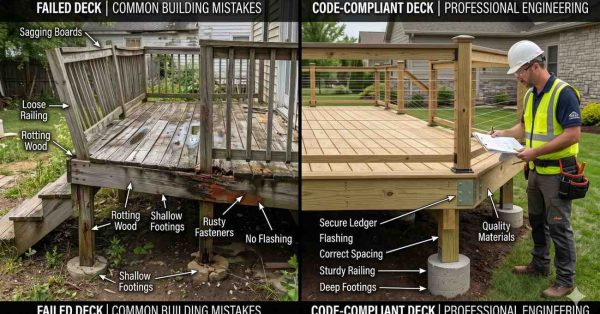
Pricing sets the baseline. The next decision is hiring a qualified deck builder who delivers clean workmanship, proper permits, and a structure that lasts.
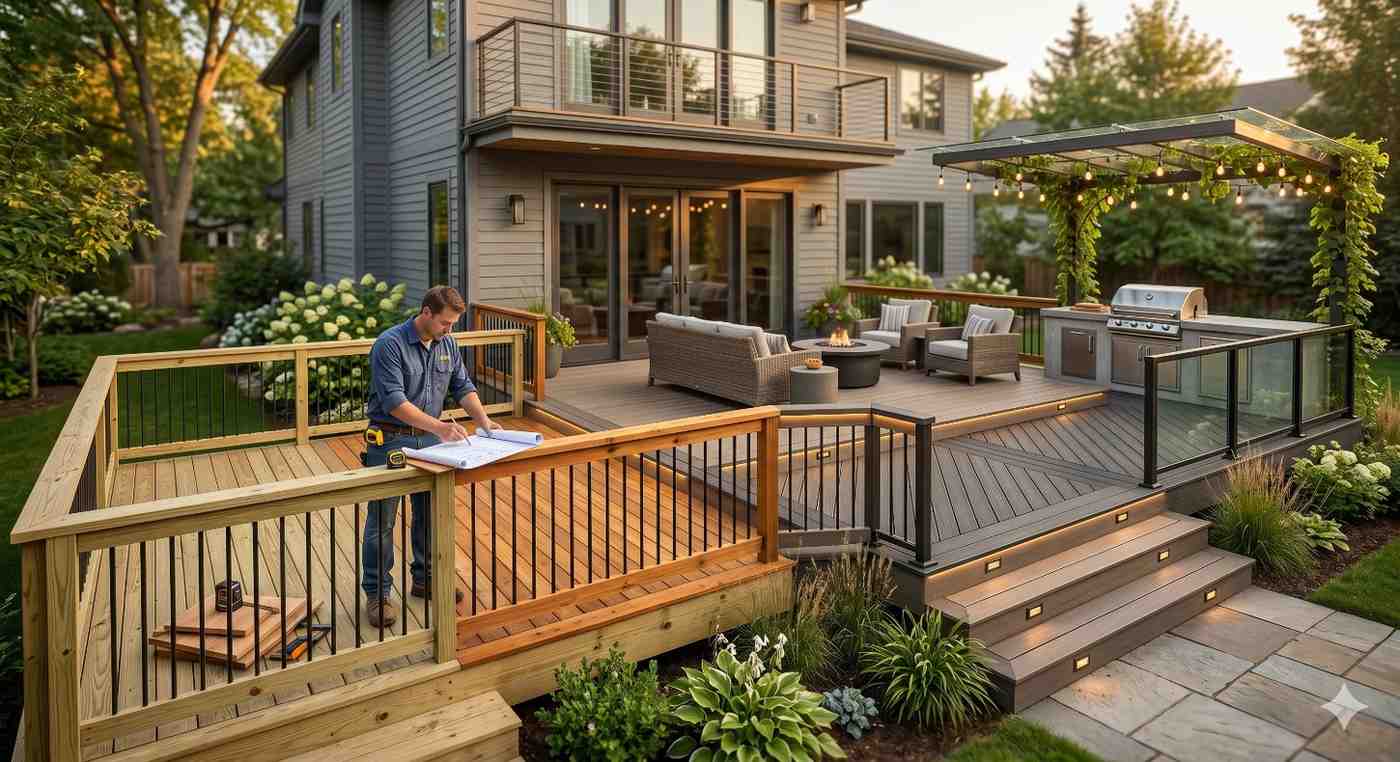
Key Factors That Affect Your 16×20 Deck Price
Several variables shift a 16×20 deck quote up or down. Material choice is the largest, but labor rates, site conditions, design features, and local code requirements all add measurable cost. Understanding these factors helps you compare contractor estimates accurately and avoid surprise charges mid-project.
Labor, Permits, and Site Conditions
Labor typically represents 45 to 55 percent of total deck cost, averaging $15 to $35 per square foot depending on region. Permits range from $150 to $500 in most municipalities. Sloped yards, rocky soil, or removal of an old deck adds $500 to $3,000 to the project. Elevated decks requiring tall posts or extra footings also raise labor hours.
Railings, Stairs, and Add-On Features
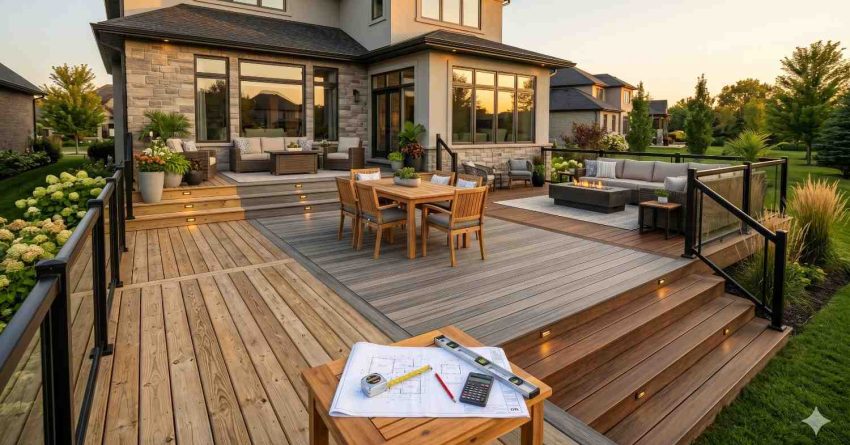
Railings cost $30 to $120 per linear foot depending on whether you choose wood, aluminum, or cable systems. A standard staircase adds $1,000 to $2,500, and built-in benches, planters, or lighting can each add $500 to $2,000. When comparing composite and wood decking, factor these add-ons into the total, since premium materials usually call for matching premium railings.
Is a 16×20 Deck Worth the Investment?
A 16×20 deck offers strong return on investment, recovering roughly 50 to 65 percent of its cost at resale and adding usable outdoor living space year-round. Wood decks deliver faster payback at lower upfront cost, while composite reduces lifetime maintenance spending. Either way, a well-built 16×20 deck improves curb appeal, expands entertaining space, and supports higher property valuations in most US markets. Protecting that investment comes down to consistent care, proper sealing, and routine deck maintenance scheduled before small issues become structural ones.
Conclusion
A 16×20 deck costs $6,400 to $19,200 in the USA, shaped by material, labor, permits, and design features. Knowing these numbers helps you plan with confidence.
For homeowners, landlords, and property managers, the right deck balances upfront cost, long-term durability, and resale value across the property’s full life cycle.
We connect you with vetted deck professionals who deliver transparent pricing and quality workmanship. Get your 16×20 deck quote today with Mr. Local Services.
Frequently Asked Questions
How long does it take to build a 16×20 deck?
Most 16×20 decks take 5 to 10 days to complete, depending on material, weather, permit timelines, and whether the crew is removing an existing structure first.
Do I need a permit for a 16×20 deck?
Yes. A 320-square-foot deck almost always requires a building permit, costing $150 to $500, since it exceeds size and height thresholds in most US municipalities.
What is the cheapest way to build a 16×20 deck?
Choose pressure-treated lumber, keep the deck low to the ground, use a simple rectangular design, and limit railings and stairs to the minimum required by local code.
How much does composite decking cost for 320 square feet?
Composite decking for a 16×20 deck costs $10,500 to $16,000 installed, including framing, fasteners, and labor. Premium capped composite brands fall at the higher end of that range.
How long does a 16×20 deck last?
Pressure-treated wood lasts 15 to 25 years with regular sealing, while composite and PVC decks last 25 to 50 years with minimal maintenance beyond occasional cleaning.