During an appraisal, you should never hide property defects, pressure the appraiser, make last-minute cosmetic cover-ups, or skip basic preparation. These actions can lower your valuation, damage credibility, or trigger a failed appraisal report. Honest disclosure, clean presentation, and professional respect are the foundation of a fair, accurate property value assessment for homeowners, landlords, and property managers across the USA.
Things You Should Never Do During a Property Appraisal
Never lie about the property’s condition, conceal damage, argue with the appraiser, or attempt to influence the final value. Avoid leaving the home cluttered, skipping repairs, or interrupting the inspection. These actions reduce credibility and can lower your appraised value significantly.
A property appraisal is a neutral, evidence-based valuation. Anything that disrupts that neutrality works against you. Appraisers document what they see, verify what you disclose, and compare your property to recent local sales. Trying to manipulate that process almost always backfires.
Never Hide or Misrepresent Property Issues
Concealing a leaking roof, foundation crack, or outdated electrical panel does not protect your value. Appraisers are trained to spot inconsistencies, and undisclosed defects often surface during the buyer’s inspection later. When that happens, the deal can collapse or require costly renegotiation. Honest disclosure builds trust and lets the appraiser weigh the issue fairly against the home’s overall condition rather than treating it as a hidden risk that demands a steeper deduction.
Never Pressure or Influence the Appraiser
Do not suggest a target value, mention what you owe on the mortgage, or push for a specific outcome. Appraisers must remain independent under federal guidelines, and any perceived interference can result in a flagged report. Stay polite, answer questions clearly, and provide documentation when asked. A respectful, professional interaction protects both the credibility of the appraisal and your standing if a review or second valuation becomes necessary.
The behaviors above protect the appraisal process itself. The next layer is the property condition you present, and that is where small repairs that improve appraisal value often separate a strong valuation from a disappointing one.
Common Homeowner Mistakes That Lower Appraisal Value
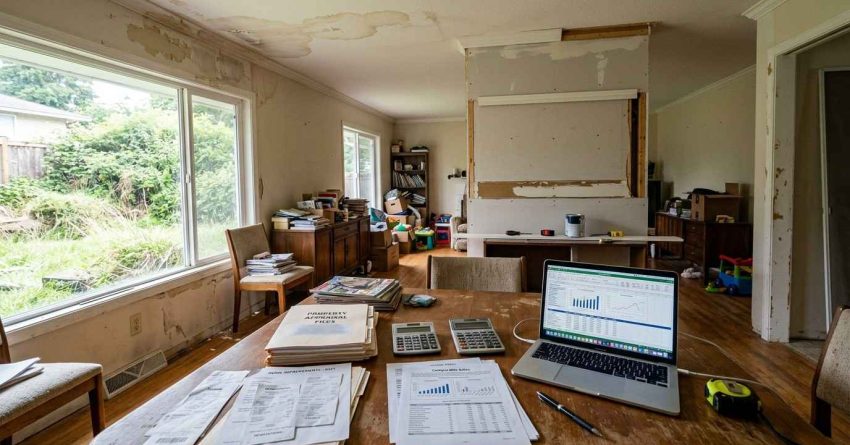
Many homeowners unintentionally hurt their valuation by ignoring small details. Peeling paint, broken fixtures, dripping faucets, dirty HVAC vents, and overgrown landscaping all signal deferred maintenance. Appraisers translate that signal into condition adjustments. Even when the structure is sound, a neglected appearance reduces the comparable value against tidier homes nearby.
Another mistake is over-improving for the neighborhood. A luxury kitchen in a modest area rarely returns its full cost. Stay aligned with local market expectations rather than chasing personal preferences.
Skipping Basic Repairs and Cleaning Before the Visit
Schedule a thorough property cleaning before the visit, patch drywall, replace burnt bulbs, and fix loose handles. These small touches show pride of ownership and help the appraiser focus on the home’s real strengths instead of distractions.
How Preparation Protects Your Appraisal Outcome
Preparation is your strongest lever. Gather documents on recent upgrades, permits, HVAC servicing, roof work, and any major repairs. Provide a written list with dates and costs so the appraiser can credit improvements that may not be visually obvious. Clear access to attics, crawl spaces, and electrical panels also speeds the inspection. Property managers and landlords benefit most from coordinating tenant access in advance, ensuring the home is presentable, and resolving open service tickets before the appointment date.
Conclusion
Avoiding dishonesty, pressure, neglect, and poor preparation keeps your appraisal fair, accurate, and aligned with your property’s true market value.
For homeowners, landlords, and property managers, the smartest path is steady upkeep, transparent disclosure, and professional presentation across every visit and inspection.
We help you prepare with confidence. Connect with Mr. Local Services today to schedule trusted repair, cleaning, and maintenance professionals before your next appraisal.
Frequently Asked Questions
Should I be present during the appraisal?
You can be present, but stay brief and professional. Offer documentation, answer questions when asked, and avoid following the appraiser through every room.
Do cosmetic upgrades increase appraisal value?
Minor cosmetic upgrades like fresh paint and clean landscaping help presentation. Major returns come from structural, HVAC, roofing, and kitchen improvements with documented costs.
Can a messy house lower my appraisal?
Yes. Clutter, odors, and visible neglect suggest deferred maintenance. While appraisers focus on condition, presentation directly influences how that condition is judged.
How long does a property appraisal take?
Most residential appraisals take 30 to 60 minutes on-site. The full written report, including comparable sales analysis, typically arrives within three to seven business days.
What if I disagree with the appraisal value?
Request a Reconsideration of Value through your lender. Provide overlooked comparable sales, documented upgrades, or factual errors to support a formal appraisal review.