The most expensive part of building an ADU is typically the foundation and site preparation, followed closely by plumbing, electrical, and HVAC systems. These structural and utility components carry the highest material, labor, and permitting costs. For homeowners, landlords, and property managers planning an accessory dwelling unit in the USA, understanding where the money goes helps set realistic budgets, avoid surprises, and choose the right service partners from day one.
Foundation and Site Preparation Is the Single Costliest Part of Building an ADU
Foundation and site preparation is the most expensive part of building an ADU, often consuming 15% to 25% of the total project budget. Costs rise sharply when soil is unstable, slopes are steep, or utilities must be extended across the property. This work sets the structural base for everything above it.
Why Foundation Work Dominates the Budget
Foundations require engineering, excavation, concrete, rebar, and inspections. Every step involves skilled labor and heavy equipment. A detached ADU needs its own footings, slab or crawl space, and code-compliant load calculations. Attached or garage conversions may need underpinning or reinforcement, which adds cost. Because foundations are permanent and safety-critical, contractors do not cut corners here. The work must pass structural inspection before framing begins, making it a non-negotiable line item in every ADU build.
Site Conditions That Push Costs Higher
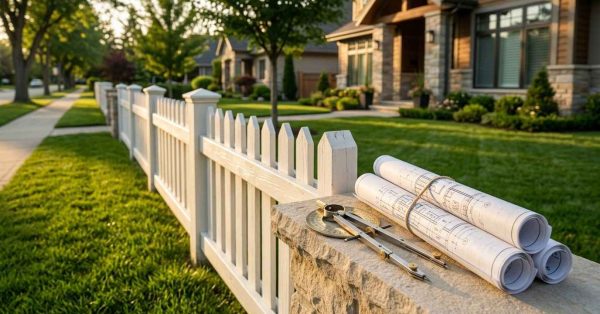
Site conditions decide how much foundation work truly costs. Rocky soil, high water tables, expansive clay, or hillside lots all demand engineered solutions. Tree removal, grading, drainage systems, and utility trenching add thousands more. Tight urban lots often require crane access or hand excavation, which increases labor hours. Homes with older sewer or electrical service may need main line upgrades before the ADU can connect. Each site is unique, so a professional site assessment is essential before finalizing your total ADU construction budget.
Other High-Cost Categories That Follow Closely
While the foundation leads the budget, several other categories consume large shares of ADU construction costs. Understanding these helps property owners plan realistic timelines and avoid budget overruns during the build.
Plumbing, Electrical, and HVAC Rough-Ins
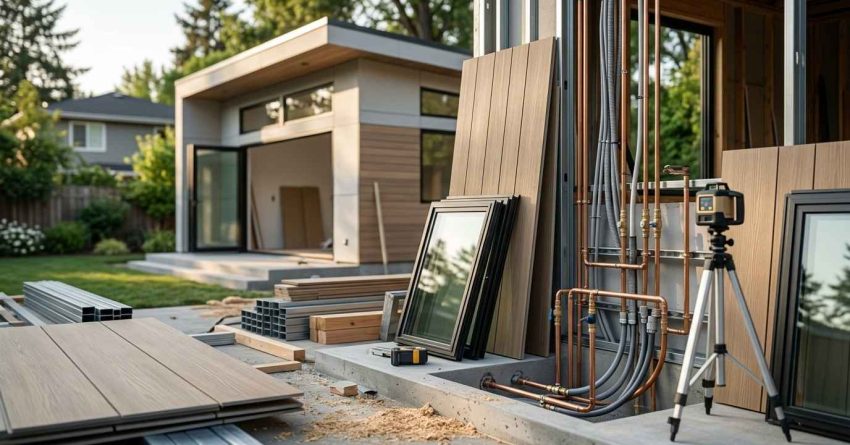
Mechanical systems are the second-largest cost driver. Running new water lines, sewer connections, electrical panels, and HVAC ducts through a small structure requires the same licensed trades as a full home. Code compliance, energy efficiency standards, and separate metering all add expense. In many California and USA markets, utility upgrades alone can add $10,000 or more before finishes are considered.
Permits, Design, and Impact Fees
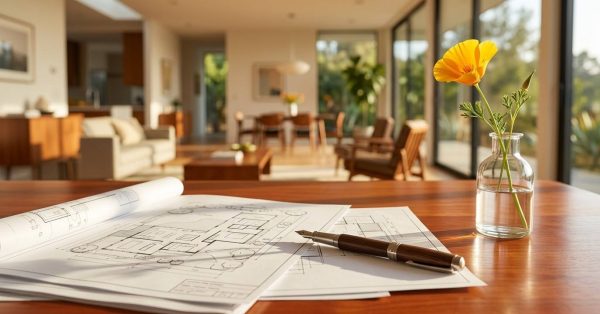
Permits, architectural design, and municipal impact fees are frequently underestimated. Design and engineering can run several thousand dollars, and impact fees vary widely by city. Reviewing permits and impact fees early in planning prevents costly surprises.
How Homeowners Can Control ADU Construction Costs
Smart planning keeps ADU budgets under control. Choose a simple rectangular footprint, standard ceiling heights, and off-the-shelf finishes. Prefabricated or modular ADUs can reduce foundation and framing costs when sites allow. Bundle plumbing and electrical near existing service lines to shorten trench runs. Work with licensed, transparent contractors who provide itemized bids and clear scopes. Exploring proven ways to keep ADU costs manageable helps homeowners build smarter without sacrificing quality or safety.
Conclusion
Foundation and site preparation remain the most expensive part of building an ADU, with mechanical systems and permits following close behind. Planning around these categories protects your budget.
For homeowners, landlords, and property managers, working with experienced professionals ensures every dollar delivers long-term property value, safety, and rental potential.
We at Mr. Local Services connect you with vetted ADU experts nationwide. Request your free ADU consultation today and build with confidence.
Frequently Asked Questions
How much does it cost to build an ADU in the USA?
Most ADUs cost between $150,000 and $400,000, depending on size, location, site conditions, materials, and local permitting fees across USA markets.
Is it cheaper to build a detached or attached ADU?
Attached ADUs and garage conversions usually cost less because they share existing walls, foundations, and utility connections with the main home.
What permits do I need to build an ADU?
Most jurisdictions require building, electrical, plumbing, and mechanical permits. Some cities also charge impact fees, planning fees, and require design review approvals.
Can I save money with a prefab ADU?
Prefab and modular ADUs can lower framing and labor costs, but foundation, utility hookups, delivery, and site preparation still apply to every project.
How long does ADU construction take?
Most ADU projects take four to nine months from permit approval to final inspection, depending on design complexity, weather, and contractor availability.