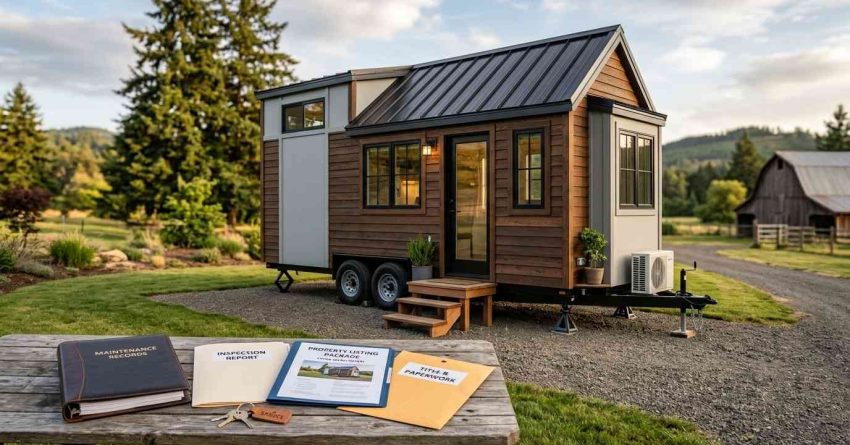
Selling or buying a used tiny house on wheels is not like any other real estate transaction — resale prices vary widely, financing is limited, and legal classification issues can stop a sale entirely.
The THOW resale market is growing across the USA, but it operates by its own rules. Understanding those rules before you list or buy can mean the difference between a smooth transaction and a costly mistake.
This guide covers what drives THOW resale value, the challenges both sides face, and the practical steps that lead to better outcomes for sellers and buyers alike.
What Is the THOW Resale Market?
The THOW resale market refers to the buying and selling of pre-owned tiny houses built on trailer frames rather than permanent foundations. Unlike traditional homes, THOWs are classified in most states as recreational vehicles or personal property — not real estate — which fundamentally changes how they are priced, financed, and transferred between owners.
Demand for used THOWs has increased steadily as more Americans explore alternative housing, but supply remains fragmented. There is no centralized MLS for THOWs, no standardized appraisal process, and no universal legal framework governing their sale. That combination creates both opportunity and risk for everyone involved.
How THOWs Differ from Traditional Home Sales
Traditional home sales follow a well-established process: appraisal, mortgage financing, title search, and closing through a licensed real estate agent. THOW sales skip most of that infrastructure. Prices are negotiated privately, financing options are narrow, and the transfer of ownership typically involves a vehicle title rather than a deed.
Who Buys and Sells THOWs in the USA
Sellers are typically original owners who built or commissioned their THOW and are now downsizing, relocating, or transitioning to conventional housing. Buyers range from first-time tiny home enthusiasts to experienced owners upgrading to a newer build. Understanding the resale market starts with a solid foundation — our tiny homes guide covers everything from THOW construction standards and legal classifications to ownership costs and lifestyle considerations that directly shape resale demand.
Key Factors That Affect THOW Resale Value
No two THOWs are priced the same, and the gap between a well-maintained unit and a neglected one can easily exceed $30,000 to $50,000 or more depending on size and build quality. Several factors consistently drive resale value up or down.
Build Quality and Materials
THOWs built by reputable builders using commercial-grade materials — steel frames, standing seam metal roofs, spray foam insulation — hold their value significantly better than DIY builds or budget-spec units. Buyers pay a premium for recognized builder names and documented construction standards.
Age, Condition, and Maintenance History
A five-year-old THOW in excellent condition will consistently outsell a two-year-old unit with deferred maintenance. Water intrusion, roof damage, and trailer frame rust are the three most damaging issues a seller can face. Because condition is the single biggest driver of resale price, following a consistent routine matters — our THOW maintenance tips outline the inspections, repairs, and seasonal tasks that protect your investment and keep your tiny home market-ready.
Certifications, Compliance, and Legal Status
THOWs built to RVIA (Recreational Vehicle Industry Association) or NOAH (National Organization of Alternative Housing) standards command higher prices and face fewer financing barriers. Uncertified builds, regardless of quality, are harder to insure, harder to finance, and harder to sell in states with strict RV classification rules.
Common Challenges Sellers Face in the THOW Market
Selling a THOW takes longer than most owners expect. The average listing time is significantly longer than traditional home sales, and many deals fall through due to issues that could have been resolved before listing.
Financing and Lending Limitations
Most conventional mortgage lenders do not finance THOWs. Buyers typically rely on personal loans, RV loans, or seller financing — all of which carry higher interest rates and shorter repayment terms than a standard mortgage. This limits the buyer pool to cash buyers and those who qualify for specialty lending, which directly affects how sellers must price their units.
Title, Registration, and Legal Classification Issues
In many states, a THOW must be registered as a vehicle, which means the seller must hold a clean title in their name before the sale can proceed. Liens, missing titles, or incorrect registration history can delay or kill a transaction entirely. Navigating title and registration issues is one of the most common reasons THOW sales stall — our resource on THOW legal requirements breaks down state-by-state classification rules, registration options, and the documentation buyers and lenders expect.
What Buyers Should Know Before Purchasing a Used THOW
Buying a used THOW requires a different mindset than buying a traditional home or even a standard RV. The stakes are high, the inspection process is specialized, and the ongoing costs are often underestimated.
Inspection Priorities for Pre-Owned THOWs
A thorough inspection should cover the trailer frame for rust and structural integrity, the roof for leaks and flashing failures, all plumbing connections for signs of freeze damage or corrosion, and the electrical system for code compliance and safe wiring. Before committing to a purchase, a thorough pre-buy evaluation is essential — our THOW inspection checklist walks through every system, from the trailer frame and roof to plumbing, electrical, and appliances, so buyers know exactly what to look for.
Hidden Costs and Ongoing Maintenance Needs
Beyond the purchase price, buyers should budget for land or parking costs, utility hookups or off-grid system maintenance, insurance, registration renewal, and routine upkeep. These costs vary significantly depending on location and how the THOW is used, but ignoring them leads to financial strain that many first-time buyers do not anticipate.
How to Maximize Your THOW’s Resale Value
Sellers who invest strategically before listing consistently achieve better prices and shorter time on market. The key is knowing which improvements buyers value most and which ones deliver diminishing returns.
Repairs and Upgrades That Pay Off
Addressing water damage, replacing worn roofing materials, repainting the exterior, and servicing all mechanical systems are the highest-return investments before a sale. Cosmetic upgrades like new flooring or updated fixtures improve buyer perception but rarely justify their cost unless the unit is already in excellent structural condition. Targeted repairs and upgrades deliver the strongest return before listing — our home repair services connect THOW owners with skilled professionals who handle everything from structural fixes and roof repairs to interior finishing and systems upgrades.
Documentation and Presentation Tips
A complete maintenance log, original builder documentation, certification paperwork, and a current inspection report give buyers confidence and reduce negotiation friction. High-quality photos, accurate measurements, and honest condition disclosures attract serious buyers and reduce the likelihood of deals falling through after inspection.
For a complete picture of THOW ownership — from initial purchase decisions through long-term upkeep — our tiny homes overview brings together every resource you need in one place.
Where to List and Sell a THOW in the USA
The most effective THOW listing platforms in the USA include dedicated tiny home marketplaces such as Tiny House Listings and Tiny House Marketplace, as well as RV-focused platforms like RVTrader and Facebook Marketplace for broader reach. Each platform attracts a different buyer profile, so cross-listing across two or three channels typically produces the best results.
Pricing should be based on comparable sales rather than original build cost. THOWs depreciate differently than traditional homes, and sellers who anchor their price to what they spent rather than what the market supports often sit on their listing for months. Sellers who understand what buyers are actively searching for list more effectively — our THOW buying guide details what motivated buyers prioritize, which helps sellers position their listing to attract serious inquiries faster.
Conclusion
The THOW resale market rewards preparation. Sellers who address condition issues, organize their documentation, and price to market data consistently outperform those who list without that groundwork. Buyers who inspect thoroughly and understand the true cost of ownership make smarter decisions and avoid expensive surprises.
Whether you are selling a THOW you built years ago or evaluating your first pre-owned purchase, the same principle applies: knowledge reduces risk on both sides of the transaction.
At Mr. Local Services, our network of skilled professionals helps THOW owners maintain, repair, and upgrade their tiny homes — so when it is time to sell or buy, the property is ready to perform at its best.
Frequently Asked Questions
How is a THOW priced for resale?
THOW resale prices are based on builder reputation, age, condition, certifications, and comparable sales rather than original construction cost. A well-maintained certified THOW from a recognized builder typically holds its value better than a DIY or uncertified build.
Can you get a mortgage to buy a used THOW?
Most conventional mortgage lenders do not finance THOWs because they are classified as personal property or recreational vehicles rather than real estate. Buyers typically use personal loans, RV loans, or seller financing, all of which carry higher rates than standard mortgages.
What is the biggest mistake THOW sellers make?
The most common mistake is overpricing based on build cost rather than market comparables. Sellers who price to what they spent rather than what similar units have sold for often face extended listing times and eventual price reductions.
Do THOWs depreciate like RVs or appreciate like homes?
THOWs generally depreciate over time, similar to RVs, though high-quality certified builds from reputable builders depreciate more slowly. Unlike traditional real estate, land appreciation does not apply, so the unit itself is the primary value driver.
What documents should a THOW seller have ready before listing?
Sellers should prepare the vehicle title, builder documentation, certification paperwork (RVIA or NOAH if applicable), a maintenance log, any warranty records, and a recent inspection report. Complete documentation reduces buyer hesitation and speeds up the transaction process.