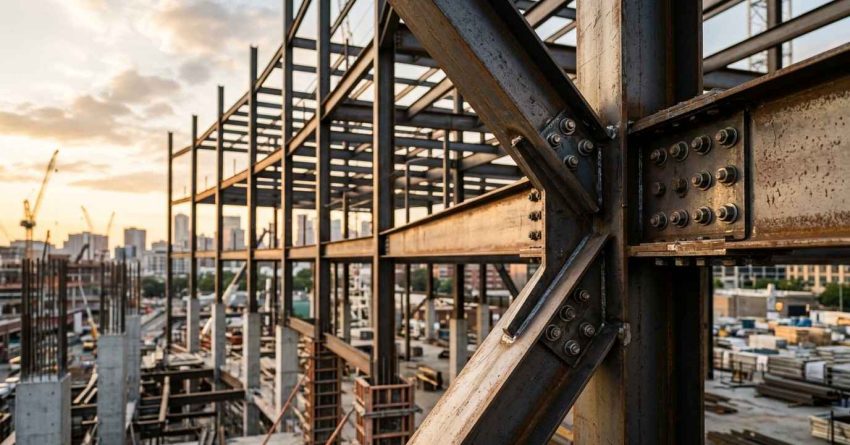
A structural engineer is the professional responsible for ensuring every load-bearing element of a new home is designed to hold the building safely, meet code requirements, and perform reliably for decades. Their work begins before a single foundation is poured and continues through final construction sign-off. For homeowners, landlords, and property managers planning a new build in the USA, understanding what a structural engineer does — and when their involvement is required — is essential for protecting your investment and avoiding costly structural failures down the line.
Skipping or underestimating structural engineering in a new build creates serious risks: failed inspections, unsafe framing, and expensive retrofits that could have been avoided at the design stage.
This guide explains the full scope of a structural engineer’s role in new construction, covering their responsibilities, the systems they design, how they collaborate with your build team, and what to expect from the process.
What Does a Structural Engineer Do in a New Build?
A structural engineer analyzes, designs, and certifies the structural systems that keep a building standing safely under all expected loads — including the weight of the structure itself, occupants, furniture, snow, wind, and seismic forces. In a new build, their role is both technical and regulatory: they produce the engineering drawings and calculations that contractors follow and that building departments require before issuing permits.
Their work is distinct from an architect’s. Architects design how a building looks and functions. Structural engineers determine whether the design can physically stand up to real-world forces without failing.
Core Responsibilities During Design and Planning
During the design phase, a structural engineer reviews the architectural plans and performs load calculations for every major structural element. They specify the size, grade, and placement of beams, columns, joists, and headers. They design the foundation system based on soil reports and local load requirements. They also identify any design elements that create structural risk and recommend modifications before construction begins.
This early involvement is where structural engineers add the most value. Catching a design problem on paper costs a fraction of what it costs to correct it in the field.
On-Site Involvement During Construction
Many structural engineers also conduct site visits at critical construction milestones — foundation pour, framing completion, and pre-drywall inspection. These visits confirm that contractors are building to the approved structural drawings. If deviations occur, the engineer documents them and specifies corrective action before the build progresses further.
Understanding what a structural engineer contributes to a new build is especially valuable when weighing your options — our custom home investment analysis breaks down how engineering requirements differ between custom and spec builds and what that means for your total project budget.
Why Structural Engineering Is Required for New Construction
In the USA, structural engineering is not optional for new residential construction. Building departments in every state require stamped structural drawings — signed and sealed by a licensed professional engineer (PE) — as part of the permit application package. Without these documents, a building permit will not be issued, and construction cannot legally begin.
Beyond legal compliance, structural engineering protects the people who will live or work in the building. A structurally deficient home may pass a visual inspection but fail catastrophically under stress — during a heavy snow load, high winds, or seismic activity. The structural engineer’s calculations are the technical guarantee that the building will perform safely under those conditions.
Building Codes, Permit Requirements, and Legal Standards
Structural engineers design to the International Residential Code (IRC) and International Building Code (IBC), as adopted and amended by each state and local jurisdiction. They also reference ASCE 7 (Minimum Design Loads for Buildings and Other Structures) for load calculations. Their stamped drawings demonstrate to the building department that the design meets all applicable standards.
For homeowners and property managers, this means the structural engineer’s involvement is a legal prerequisite — not an optional upgrade. Attempting to build without licensed structural engineering documentation exposes the owner to permit denial, stop-work orders, and potential liability if structural failures occur.
How Structural Engineers Work With Architects and Contractors
Structural engineering does not happen in isolation. On a new build, the structural engineer works as part of a coordinated design and construction team alongside the architect, general contractor, and specialty subcontractors. Each professional has a defined scope, and the structural engineer’s role is to ensure the structural design integrates cleanly with the architectural vision and the construction team’s methods.
Coordination at Each Phase of the Build
During design, the structural engineer and architect exchange drawings iteratively. The architect proposes a layout; the structural engineer evaluates it for structural feasibility and proposes modifications where needed. This back-and-forth is normal and productive — it results in a design that is both aesthetically sound and structurally safe.
During construction, the general contractor and framing crew work from the structural drawings. When field conditions differ from what the drawings anticipated — unexpected soil conditions, material substitutions, or design changes — the contractor submits a request for information (RFI) to the structural engineer, who reviews and responds with a formal engineering decision. This process keeps the build on track without compromising structural integrity.
Key Structural Systems a Structural Engineer Designs and Reviews
A structural engineer’s scope in a new build covers every system that carries load from the roof to the ground. Each system must be designed to transfer forces safely through the structure without overstressing any individual component.
Foundation Systems
The foundation is the most critical structural element in any new build. A structural engineer selects the appropriate foundation type — slab-on-grade, crawl space, or full basement — based on soil bearing capacity, frost depth, drainage conditions, and the loads imposed by the structure above. They specify reinforcement, concrete strength, footing dimensions, and anchor bolt placement.
The type of foundation a structural engineer selects depends on soil conditions, load requirements, and local building codes — a dedicated resource on foundation types explained covers each system in full detail so homeowners understand what is being designed and why.
Load-Bearing Walls and Framing
Load-bearing walls carry the weight of the floors and roof above them down to the foundation. The structural engineer identifies which walls are load-bearing, specifies the stud size and spacing, and designs the headers above openings like doors and windows. In engineered lumber or steel framing systems, they specify the exact product grades and connection details required.
Framing errors in load-bearing walls are among the most common and costly structural defects found during inspections. Structural engineering drawings eliminate ambiguity for the framing crew and give the building inspector a clear standard to verify against.
Roof and Floor Structural Systems
The structural engineer designs the roof framing system — whether conventional rafter framing, engineered trusses, or structural insulated panels — and specifies the connections that tie the roof to the walls below. For multi-story homes, they design the floor joist or truss system, specify allowable spans, and detail the connections at bearing points.
These calculations account for dead loads (the weight of the structure itself), live loads (occupants and furniture), and environmental loads (snow, wind, and seismic forces specific to the build location).
When to Hire a Structural Engineer for a New Build
The right time to engage a structural engineer is during the design phase — before architectural drawings are finalized and before a permit application is submitted. Early engagement allows the engineer to influence the design rather than react to it, which reduces the likelihood of costly revisions later.
For custom home builds, the owner or architect typically engages the structural engineer directly. For spec home builds, the developer’s design team usually includes a structural engineer as part of the standard project team. Either way, structural engineering must be in place before permit submission.
Knowing when to bring a structural engineer on board depends heavily on the type of construction you are pursuing — our spec vs custom build comparison explains how each path affects engineering scope, timeline, and cost from the very first planning stage.
Red Flags That Require Immediate Structural Review
Certain conditions during a new build require the structural engineer’s immediate attention: unexpected soil conditions revealed during excavation, cracks appearing in freshly poured concrete, framing that deviates from the approved drawings, or any proposed design change that affects a load-bearing element. Proceeding past these conditions without engineering review creates structural risk and potential code violations.
What to Expect From the Structural Engineering Process
For most residential new builds in the USA, the structural engineering process follows a predictable sequence: initial consultation and site review, structural design and calculation package, stamped drawing production, permit submission support, and construction-phase observation services.
Timelines vary by project complexity. A straightforward single-family home typically requires two to four weeks for the structural design package. More complex projects with unusual site conditions, multi-story construction, or non-standard materials take longer.
Structural engineering fees for residential new builds generally range from $1,500 to $5,000 for the design package, with additional fees for construction observation visits. These costs represent a small fraction of the total build budget and a significant protection against structural defects that can cost tens of thousands of dollars to correct after the fact.
Structural engineering fees are one component of a larger financial picture — our construction cost breakdown guide walks through every major expense category in a new build so you can plan your budget with confidence before breaking ground.
Deliverables, Timelines, and Costs
The primary deliverable from a structural engineer is a set of stamped structural drawings and a calculations package. These documents include foundation plans, framing plans, connection details, and load calculations. They are submitted to the building department as part of the permit application and become part of the official project record.
Construction observation reports — issued after each site visit — document compliance with the structural drawings and note any required corrections. These reports protect the owner by creating a written record that the build was constructed to engineered standards.
Conclusion
A structural engineer’s role in a new build spans design, permitting, and construction — ensuring every load-bearing system is safe, code-compliant, and built to last. Their work is both a legal requirement and a practical safeguard for homeowners and property managers.
Engaging a structural engineer early in the design phase protects your investment, prevents costly field corrections, and gives your build team a clear technical standard to work from throughout construction.
At Mr. Local Services, we connect property owners with trusted professionals across every phase of a new build — contact us today to find the right experts for your project and move forward with confidence.
Frequently Asked Questions
Is a structural engineer required for all new home builds in the USA?
In most jurisdictions across the USA, yes. Building departments require stamped structural drawings from a licensed professional engineer as part of the permit application for new residential construction. Requirements vary by state and municipality, so confirm with your local building department before starting the design process.
What is the difference between a structural engineer and an architect?
An architect designs how a building looks, functions, and flows. A structural engineer determines how the building stands up safely under all expected loads. Both are required for a new build — the architect creates the design, and the structural engineer certifies that the design is structurally sound and code-compliant.
How much does a structural engineer cost for a new home build?
Structural engineering fees for a residential new build typically range from $1,500 to $5,000 for the full design package, depending on project size and complexity. Construction observation visits are billed separately, usually at an hourly rate. These fees are a small percentage of the total build cost and provide significant protection against structural defects.
When should I hire a structural engineer for a new build?
Hire a structural engineer during the design phase, before architectural drawings are finalized and before submitting a permit application. Early engagement allows the engineer to shape the structural design from the start, which is more efficient and less costly than making structural changes after drawings are complete.
Can a general contractor replace a structural engineer on a new build?
No. A general contractor manages construction execution but is not licensed to perform structural engineering or produce stamped structural drawings. Only a licensed professional engineer (PE) can certify structural designs for permit submission. These are legally distinct roles with different qualifications and responsibilities.
What does a structural engineer inspect during construction?
A structural engineer conducting construction observation visits reviews foundation work before concrete is poured, framing at completion, and connection details at critical structural points. They verify that the build matches the approved structural drawings and document any deviations that require correction before construction continues.
How long does structural engineering take for a new home?
For a standard single-family residential new build, the structural design package typically takes two to four weeks to complete after the engineer receives the architectural drawings and site information. More complex projects, unusual site conditions, or non-standard construction methods can extend this timeline to six weeks or more.