Choosing the right site for a custom build determines everything that follows — from foundation design and utility costs to zoning approval and long-term property value. The land you select shapes your budget, your timeline, and the structural integrity of the finished home. Getting site selection right before breaking ground is the single most important decision in the entire custom build process.
Most custom build delays and cost overruns trace back to site conditions that were not evaluated thoroughly before purchase. Understanding what to look for protects your investment and keeps your project on track.
This guide covers every major site selection factor — zoning, soil, utilities, infrastructure, HOA rules, and budget — so you can evaluate land with confidence.
What Is a Custom Build and Why Does Site Selection Matter?
A custom build is a home or structure designed and constructed from the ground up on a specific piece of land, built to the owner’s specifications rather than from a pre-existing plan. Unlike purchasing a production home in a planned development, a custom build gives you full control over design, materials, layout, and location — but that control comes with a corresponding responsibility to evaluate the land itself before any construction begins.
Site selection is the process of assessing a parcel of land for its suitability to support the structure you intend to build. It covers physical characteristics like soil composition and topography, legal factors like zoning classifications and deed restrictions, and practical infrastructure considerations like access to utilities and road connections. Every one of these factors influences what you can build, how much it will cost, and how long it will take.
A site that looks ideal on paper can carry hidden complications — unstable soil, flood zone designations, utility easement conflicts, or zoning restrictions that prohibit your intended use. Identifying these issues before purchase saves significant time and money. Identifying them after purchase can derail a project entirely.
How Location Affects Build Feasibility and Long-Term Value
Location affects a custom build in two distinct ways: it determines what is physically and legally possible during construction, and it shapes the property’s long-term market value and livability. A site in a desirable school district with strong infrastructure access will hold and grow its value more reliably than an isolated parcel with limited services, even if the build quality is identical.
Proximity to utilities, emergency services, employment centers, and transportation corridors all factor into resale value. So does the surrounding land use — a site adjacent to commercial or industrial zoning may face noise, traffic, or environmental concerns that affect quality of life and buyer appeal. Evaluating location through both a construction feasibility lens and a long-term value lens gives you the most complete picture of whether a site is the right choice.
Understanding what qualifies as a custom build also extends to smaller-scale projects — our guide to tiny home builds covers the full scope of planning, placement, and construction considerations specific to compact custom structures.
Zoning Laws and Land Use Regulations
Zoning laws are the legal framework that governs how land can be used in a given jurisdiction. Before purchasing any parcel for a custom build, confirming that the land is zoned for your intended use is a non-negotiable first step. Building on land that is not properly zoned for residential construction — or for the specific type of residential structure you plan to build — can result in permit denials, stop-work orders, fines, and in extreme cases, mandatory demolition.
Zoning classifications vary by municipality, but most jurisdictions use a tiered system that separates residential, commercial, industrial, and agricultural uses. Within residential zoning, there are often subcategories that specify minimum lot sizes, maximum building heights, setback requirements, and permitted structure types. A parcel zoned R-1 for single-family residential use may prohibit accessory dwelling units, multi-family structures, or home-based businesses depending on local ordinances.
Residential vs. Commercial Zoning for Custom Builds
Most custom home builds require residential zoning, but the specific classification matters. Single-family residential zones typically permit one primary dwelling per lot and may restrict outbuildings, guest houses, or short-term rental use. Mixed-use or agricultural zones may allow more flexibility but often come with their own restrictions around structure size, impervious surface coverage, and permitted activities.
If you are planning a custom build that includes a home office, workshop, rental unit, or commercial component, verifying that the zoning classification permits those uses before purchase is essential. Applying for a variance or rezoning after purchase is possible but time-consuming, expensive, and not guaranteed to succeed.
How to Research Zoning Before You Buy
Most counties and municipalities publish zoning maps and ordinance documents online through their planning or building department websites. You can typically search by parcel number or address to identify the current zoning classification. Calling the local planning department directly is the most reliable way to confirm permitted uses and ask about any pending zoning changes that could affect the parcel.
A real estate attorney or land use consultant can review the full zoning history of a parcel, identify any overlay districts or special use designations, and flag potential conflicts with your intended build. This professional review is a worthwhile investment before committing to a purchase.
Navigating local land use rules is one of the most complex parts of site selection — our dedicated resource on zoning for custom builds walks through every regulation type, permit requirement, and research step you need before purchasing land.
Soil Quality, Topography, and Environmental Conditions
The physical characteristics of the land itself are among the most consequential factors in custom build site selection. Soil composition, slope, drainage patterns, and environmental designations all directly affect what can be built, how it must be built, and what it will cost to build it.
Soil that cannot adequately support a foundation creates structural risk. Steep slopes require grading, retaining walls, and engineered foundation systems that add significant cost. Poor drainage leads to water intrusion, erosion, and long-term maintenance problems. Environmental designations like wetlands, floodplains, and protected habitat areas can restrict or prohibit construction entirely.
Soil Testing and Foundation Suitability
A geotechnical investigation — commonly called a soil test or soils report — is the standard method for evaluating whether a site’s soil can support the intended structure. A licensed geotechnical engineer drills test borings at multiple points across the parcel, analyzes the soil composition and bearing capacity, and produces a report that specifies the appropriate foundation type and design parameters.
Common soil problems that affect custom builds include expansive clay soils that swell and shrink with moisture changes, loose or fill soils with low bearing capacity, and high water table conditions that complicate below-grade construction. Each of these conditions requires a specific engineering response — and each adds cost. Knowing the soil conditions before purchase allows you to factor those costs into your budget and negotiate the land price accordingly.
Soil quality and slope also affect what outdoor structures are feasible on your property — our overview of deck and outdoor structures explains how site conditions influence design options and foundation requirements for exterior additions.
Flood Zones, Drainage, and Environmental Restrictions
The Federal Emergency Management Agency (FEMA) maintains flood zone maps that classify land by its statistical flood risk. Parcels in high-risk flood zones — designated as Special Flood Hazard Areas — require flood insurance, may require elevated foundation construction, and face stricter permitting requirements. Building in a flood zone is possible but adds cost, complexity, and ongoing insurance expense.
Beyond FEMA flood designations, local drainage patterns matter. A site that collects runoff from neighboring properties, sits at the bottom of a slope, or has poorly draining soils will face ongoing water management challenges. Reviewing drainage easements, stormwater infrastructure, and historical flooding data for a parcel before purchase helps you anticipate these issues and plan accordingly.
Wetlands and other environmentally sensitive areas are regulated at the federal, state, and local levels. Even a small wetland area on a parcel can restrict where structures can be placed and require mitigation measures that add significant cost and timeline.
Utility Access and Infrastructure Readiness
Access to essential utilities — water, sewer, electricity, and natural gas — is a fundamental requirement for most custom builds. The cost and complexity of establishing utility connections varies enormously depending on whether the site is in an urban, suburban, or rural area, and how close existing infrastructure is to the parcel boundary.
A site with utilities already stubbed to the property line is significantly easier and less expensive to develop than a rural parcel that requires a new well, septic system, and electrical service extension. Understanding the utility situation for any parcel you are considering is a critical part of your pre-purchase due diligence.
Water, Sewer, and Electrical Connections
Municipal water and sewer connections require coordination with the local utility authority, payment of connection fees, and compliance with local codes governing pipe sizing, backflow prevention, and inspection requirements. Connection fees alone can range from a few thousand dollars to tens of thousands depending on the jurisdiction and the distance from existing mains.
Rural sites without access to municipal water and sewer require a private well and septic system. Well drilling costs depend on the depth required to reach a reliable aquifer, which varies by geology and location. Septic system design depends on soil percolation rates — a perc test determines whether the soil can adequately absorb effluent and what type of system is required. Sites with poor percolation may require engineered septic systems that cost significantly more than conventional designs.
Connecting to a reliable power supply requires coordination with your utility provider and a licensed electrician — our guide to electrical service connections covers panel sizing, meter installation, and code compliance for new builds.
Connecting to municipal water and sewer lines is a critical infrastructure step — our resource on residential plumbing systems explains what new construction connections involve, what inspections are required, and how to prepare your site for service hookup.
Road Access and Site Preparation Requirements
Legal road access to a parcel is not always guaranteed. Some parcels are landlocked — surrounded by other private property with no direct road frontage — and require an easement across a neighboring parcel to provide legal access. Confirming that a parcel has legal, recorded access before purchase is essential.
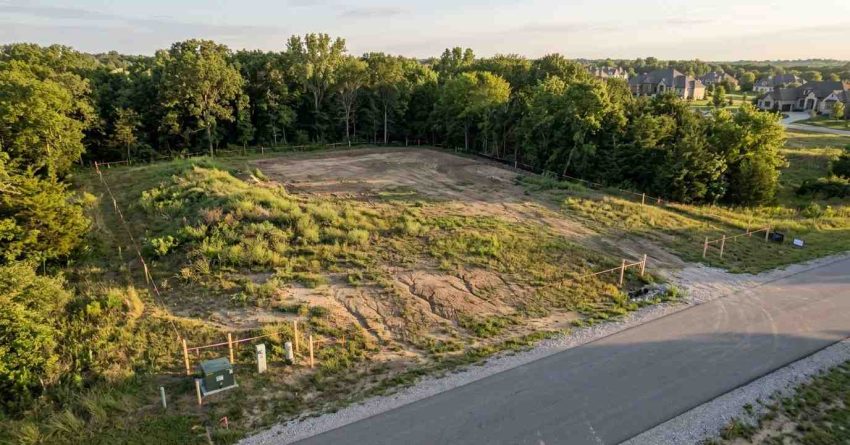
Beyond legal access, the physical condition of the road and the site itself affects construction logistics and cost. A site that requires significant grading, tree clearing, or rock removal before construction can begin adds substantial cost to the project. Steep driveways may require special paving or drainage design. Unpaved access roads may need improvement to support construction equipment.
Neighborhood Compatibility and HOA Considerations
The neighborhood context of a custom build site affects both the construction process and the long-term livability and value of the finished home. Surrounding land uses, neighboring property conditions, and community governance structures all play a role in shaping what you can build and how your property will perform over time.
In many planned communities and subdivisions, a homeowners association (HOA) governs architectural standards, landscaping requirements, and permitted uses. Before purchasing a lot in an HOA-governed community, reviewing the CC&Rs — covenants, conditions, and restrictions — in full is essential. These documents specify what you can and cannot build, what materials and colors are permitted, and what approval processes are required before construction begins.
How HOA Rules Impact Custom Build Design and Timeline
HOA architectural review processes can add weeks or months to a custom build timeline. Most HOAs require submission of detailed architectural plans for review and approval before a building permit can be obtained. The review committee may request design modifications, require specific materials, or impose conditions that affect your design intent.
Common HOA restrictions that affect custom builds include minimum square footage requirements, restrictions on exterior materials and colors, limitations on accessory structures and outbuildings, and rules governing construction hours and site cleanliness during the build process. Understanding these restrictions before finalizing your design saves time and avoids costly redesigns.
HOA design restrictions often extend beyond the initial build and affect future upgrades — our overview of home remodeling options explains how to plan improvements that stay within community guidelines while maximizing property value.

Budget Implications of Site Selection
Site conditions have a direct and often underestimated impact on the total cost of a custom build. The purchase price of the land is only one component of the site-related budget. Preparation costs, utility connection fees, engineering requirements, and permit fees all add to the total investment — and these costs vary significantly based on the specific characteristics of the site.
A site that appears inexpensive relative to comparable parcels may carry hidden costs that eliminate the apparent savings. Challenging soil conditions, steep topography, remote utility connections, and environmental mitigation requirements can each add tens of thousands of dollars to a project budget. Evaluating the total cost of site development — not just the land purchase price — is essential for accurate budget planning.
Hidden Costs of Challenging Sites
The most common hidden costs in custom build site development include geotechnical engineering and foundation upgrades for poor soil conditions, grading and retaining wall construction for sloped sites, well drilling and septic system installation for rural parcels, environmental mitigation for wetlands or protected habitat, and road improvement or easement acquisition for access-challenged sites.
Each of these costs should be estimated by qualified professionals before purchase. A pre-purchase site assessment that includes a geotechnical review, utility availability confirmation, and environmental screening can identify potential cost drivers early and give you the information you need to negotiate the purchase price or walk away from a problematic site.
Ongoing site-related maintenance costs are easier to manage with a reliable service partner — our guide to handyman repair services outlines the types of recurring tasks that keep a newly built property in top condition from day one.
How Site Conditions Affect Construction Timelines
Beyond budget, site conditions affect how long your custom build will take from groundbreaking to completion. Challenging sites require additional engineering, permitting, and preparation work before vertical construction can begin. Environmental review processes, HOA approvals, variance applications, and utility extension projects all add time to the pre-construction phase.
Weather and seasonal factors also interact with site conditions. Sites with poor drainage may be inaccessible during wet seasons. Sites in cold climates may have limited windows for foundation work. Planning your construction timeline with a realistic understanding of site-specific constraints helps you set accurate expectations and avoid costly delays.
Working With Professionals During Site Evaluation
Evaluating a custom build site thoroughly requires input from multiple professionals with specialized expertise. No single person — not even an experienced builder — can assess every dimension of site suitability alone. Assembling the right team for site evaluation before purchase is one of the most valuable investments you can make in the custom build process.
The professionals involved in site evaluation typically include a real estate attorney to review title, easements, and deed restrictions; a geotechnical engineer to assess soil conditions and foundation requirements; a civil engineer or land surveyor to evaluate topography, drainage, and utility access; an environmental consultant to screen for wetlands, contamination, and protected habitat; and a local builder or general contractor to provide a practical construction cost perspective.
Who You Need on Your Site Selection Team
Each member of the site evaluation team contributes a distinct type of expertise. The real estate attorney protects your legal interests and ensures that the title is clear and the access rights are properly documented. The geotechnical engineer tells you whether the soil can support your intended structure and what foundation system is required. The civil engineer maps the site’s physical characteristics and identifies drainage, grading, and utility challenges.
The environmental consultant screens for regulatory constraints that could restrict construction or require mitigation. The builder or general contractor translates all of this technical information into a practical cost and timeline estimate. Together, these professionals give you a complete picture of what the site will actually cost to develop — and whether it is the right choice for your project.
A qualified roofing contractor is one of the key professionals involved in any custom build — our resource on roofing installation services explains what to look for in a roofing partner and what the installation process involves for new construction.
Skilled carpenters play a central role in custom build quality — our guide to custom carpentry work covers the types of structural and finish carpentry involved in new construction and what to expect from a professional carpenter on your project.
Site Selection for Tiny Homes and Alternative Builds
Tiny homes and other alternative custom structures — including accessory dwelling units, container homes, and modular builds — face a distinct set of site selection challenges that differ from those of conventional custom homes. Zoning classifications that permit standard single-family construction often do not automatically permit tiny homes, and the rules vary significantly by jurisdiction.
Many municipalities have only recently begun updating their zoning codes to accommodate tiny homes, and the regulatory landscape remains inconsistent across the country. Some jurisdictions classify tiny homes on wheels as recreational vehicles and restrict where they can be permanently placed. Others require tiny homes to meet the same building code standards as conventional homes, which can affect design and cost.
Unique Zoning and Placement Challenges for Tiny Homes
The most common zoning challenges for tiny homes involve minimum square footage requirements, which many jurisdictions impose on residential structures. A tiny home that falls below the minimum may not be permitted as a primary dwelling, even on land that is otherwise zoned for residential use. Placement on a foundation versus on wheels also affects how a tiny home is classified and regulated.
Utility connections for tiny homes follow the same general requirements as conventional builds but may involve smaller-scale systems. Off-grid options — solar power, composting toilets, rainwater collection — are available but subject to their own regulatory requirements that vary by location.
Tiny homes face a distinct set of site selection challenges that differ significantly from standard custom builds — our complete guide to tiny home placement covers zoning classifications, utility hookup options, and the land requirements specific to compact structures.
Maintenance and Long-Term Property Considerations After Building
Site selection does not end when construction is complete. The physical characteristics of the site you chose — its soil, drainage, topography, climate exposure, and surrounding environment — continue to affect your property’s maintenance needs and long-term performance for as long as you own it.
Properties built on sites with drainage challenges require ongoing attention to grading, gutters, and foundation waterproofing. Sites in high-wind or high-precipitation areas place greater demands on roofing, siding, and exterior finishes. Sites with significant tree coverage require regular tree maintenance to prevent damage from falling limbs or root intrusion. Understanding the long-term maintenance implications of your site helps you plan and budget for ongoing property care.
Home Services That Support Your Custom Build Long-Term
Keeping your custom build comfortable year-round starts with a properly maintained heating and cooling system — our guide to HVAC system maintenance explains service schedules, common issues in new construction, and how to extend the life of your system.
The land surrounding your custom build requires ongoing attention to stay functional and visually appealing — our resource on landscape and yard care covers grading, drainage maintenance, planting, and seasonal upkeep for newly developed properties.
New builds are not immune to moisture intrusion, especially on sites with drainage challenges — our guide to water damage prevention explains the warning signs, protective measures, and remediation steps every property owner should know.
Interior surfaces in a new build can develop issues as the structure settles — our overview of drywall and ceiling repair explains what causes post-construction cracking, how repairs are made, and when to call a professional.
Conclusion
Site selection is the foundation of every successful custom build — the decisions made before a single permit is filed determine the project’s feasibility, cost, and long-term value. Zoning, soil, utilities, topography, and neighborhood context all shape what is possible on any given parcel.
Evaluating each of these factors thoroughly, with the right professional team, protects your investment and prevents the costly surprises that derail custom build projects. The time spent on rigorous site assessment before purchase pays dividends throughout construction and beyond.
At Mr. Local Services, our network of skilled professionals supports every stage of your custom build journey — from site preparation and utility connections to long-term property maintenance — so your investment stays protected and your property performs at its best year-round.
Frequently Asked Questions
What is the most important factor in custom build site selection?
Zoning classification is typically the most critical factor because it determines what you are legally permitted to build before any other consideration applies. A site with ideal soil, utilities, and access is unusable if the zoning does not permit your intended structure.
How do I find out if a parcel is in a flood zone?
You can check FEMA’s Flood Map Service Center online by entering the property address or parcel number. Your lender, title company, or real estate attorney can also confirm flood zone status as part of the purchase due diligence process.
What does a soil test cost for a custom build site?
A standard geotechnical investigation for a residential custom build typically costs between $1,500 and $5,000 depending on the number of test borings required, the depth of investigation, and the complexity of the site. This cost is a small fraction of the potential savings from identifying foundation problems before construction begins.
Can I build a custom home on land without municipal water and sewer?
Yes, rural sites without municipal utility access can support custom builds using a private well for water supply and a septic system for wastewater treatment. Both require site-specific testing and design — a well yield test and a soil percolation test — to confirm feasibility and determine system specifications.
How long does the site evaluation process take before purchasing land?
A thorough site evaluation typically takes two to four weeks, depending on the complexity of the site and the availability of the professionals involved. Environmental screening, geotechnical investigation, and title review can often be conducted in parallel to compress the timeline.
What is a setback requirement and how does it affect my build?
A setback is the minimum distance a structure must be placed from a property line, road, or other designated boundary. Setback requirements are established by local zoning ordinances and limit where on a parcel a structure can be located. On small or irregularly shaped parcels, setbacks can significantly constrain the buildable area.
Do HOA rules apply to the construction process itself?
Yes, most HOAs with architectural review authority regulate not only the design of the finished structure but also the construction process. Common construction-phase rules include restrictions on construction hours, requirements for site fencing and debris management, and limitations on the duration of active construction.