Not all roofs are built to last the same amount of time. Asphalt shingles typically last 20 to 30 years, while slate roofing can protect a home for 100 years or more — and every material in between falls somewhere along that spectrum based on composition, climate, and care.
Choosing the wrong roofing material for your property means paying for a replacement far sooner than expected, which is a costly mistake for any homeowner or property manager.
This guide compares the lifespan of every major roofing material, explains what shortens or extends each one, and helps you decide when repair or full replacement makes the most sense.
What Determines How Long a Roof Lasts?
Roofing lifespan is not fixed at installation. The number printed on a manufacturer’s warranty reflects ideal conditions — real-world performance depends on several variables that either extend or shorten how long any material holds up.
Understanding what affects roof lifespan is the foundation of smart property maintenance — our roofing services overview covers every service category available to homeowners and property managers, from routine inspections to full replacements.
Climate and Weather Exposure
Roofs in regions with extreme temperature swings, heavy snowfall, high humidity, or frequent hail experience accelerated wear. UV radiation in sunny climates degrades asphalt and wood materials faster than in temperate zones. Coastal properties face salt air corrosion that shortens the lifespan of metal and certain tile products. Matching material to local climate is one of the most important decisions made at installation.
Installation Quality and Maintenance
Even the most durable roofing material underperforms when installed incorrectly. Poor flashing, inadequate ventilation, and improper underlayment all accelerate deterioration from the inside out. Routine maintenance — clearing debris, inspecting after storms, resealing flashing, and addressing minor damage promptly — can add years to any roof’s functional life regardless of material type.
Asphalt Shingles: The Most Common Choice
Asphalt shingles cover the majority of residential roofs across the United States because they balance cost, availability, and reasonable durability. They are manufactured in two primary configurations, each with a different expected lifespan.
3-Tab vs. Architectural Shingles Lifespan
3-tab asphalt shingles are the thinner, flat-profile option and typically last 15 to 20 years under normal conditions. Architectural shingles — also called dimensional or laminate shingles — are thicker, heavier, and more wind-resistant, with a lifespan of 25 to 30 years. Premium architectural products with enhanced granule coatings can reach 30 years in favorable climates. Both types are vulnerable to algae growth, granule loss, and wind uplift in severe weather zones.
Metal Roofing: Long-Term Performance
Metal roofing has grown significantly in popularity among homeowners seeking a longer-lasting alternative to asphalt. It resists fire, reflects heat, and handles wind and impact better than most other materials. Installed correctly, metal roofing requires minimal maintenance over its lifespan.
Steel, Aluminum, and Copper Compared
Steel roofing — typically coated with zinc (galvanized) or a zinc-aluminum alloy (Galvalume) — lasts 40 to 70 years depending on coating quality and climate. Aluminum is naturally corrosion-resistant, making it the preferred choice for coastal properties, with a lifespan of 40 to 50 years. Copper is the premium option, lasting 70 to 100 years or more, though its cost places it in a different category from most residential applications. All three metal types outperform asphalt significantly in longevity.
Wood Shingles and Shakes: Natural but Demanding
Wood roofing offers a distinctive aesthetic that suits certain architectural styles, particularly craftsman, cottage, and historic homes. Cedar is the most common species used, valued for its natural resistance to insects and moisture. However, wood requires more active maintenance than any other roofing material to reach its potential lifespan.
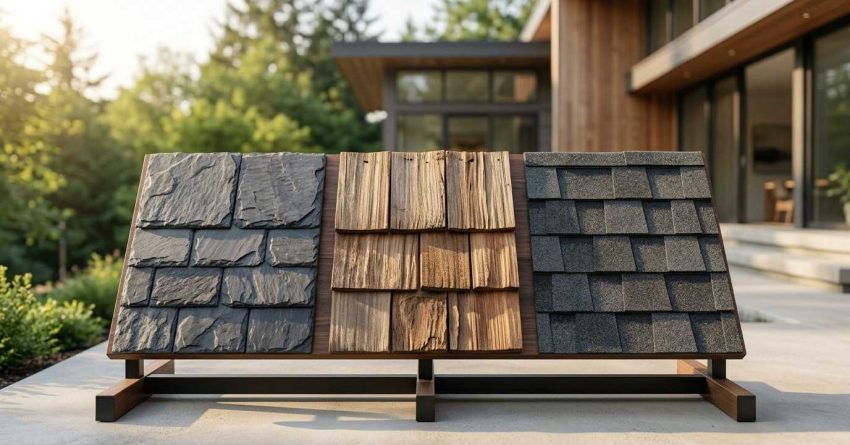
Untreated wood shingles typically last 20 to 25 years. Wood shakes — which are thicker and split rather than sawn — can last 30 to 40 years with proper treatment and maintenance. Fire resistance is a significant limitation; many jurisdictions restrict or prohibit wood roofing in wildfire-prone areas. Regular cleaning, fungicide treatment, and prompt replacement of cracked or missing pieces are essential to reaching the upper end of the lifespan range.
If you need a dedicated resource on extending wood roof life, our wood shake roof maintenance covers treatment schedules and inspection protocols in full detail.
Tile Roofing: Clay and Concrete Durability
Tile roofing is one of the most durable categories available, combining long lifespan with strong resistance to fire, insects, and rot. It is a common choice in the American Southwest, Florida, and California, where the climate suits its thermal properties. The primary trade-off is weight — tile roofing requires a structurally reinforced roof deck, which adds to installation cost.
Clay vs. Concrete Tile Lifespan
Clay tiles are the longer-lasting option, with a lifespan of 50 to 100 years when properly maintained. They resist UV degradation and do not absorb water, which prevents freeze-thaw cracking in most climates. Concrete tiles are heavier than clay and absorb slightly more moisture, giving them a lifespan of 40 to 50 years. Both materials are brittle and can crack under foot traffic or impact, so professional inspection and repair are important after any storm event.
Flat Roof Materials: TPO, EPDM, and Modified Bitumen
Flat and low-slope roofs require different materials than pitched residential roofs. Three membrane systems dominate the commercial and residential flat roof market, each with distinct lifespan characteristics.
TPO (thermoplastic polyolefin) is a single-ply membrane widely used on commercial properties and modern residential flat roofs. It reflects UV radiation effectively and typically lasts 15 to 20 years. EPDM (ethylene propylene diene monomer) is a synthetic rubber membrane known for flexibility in cold climates, with a lifespan of 20 to 25 years when properly installed and seamed. Modified bitumen is a multi-layer asphalt-based system that lasts 15 to 20 years and performs well in climates with significant temperature variation. All three systems require regular inspection of seams, drains, and penetrations to reach their full lifespan potential.
Slate Roofing: The Longest-Lasting Option
Natural slate is the most durable roofing material available for residential properties. It is a quarried stone product that resists fire, moisture, insects, and UV degradation at a level no manufactured material matches. Properly installed slate roofing lasts 75 to 150 years, with some historic structures carrying original slate installations well beyond a century.
The limitations are cost and weight. Slate is among the most expensive roofing materials per square foot, and its weight requires a structurally reinforced roof system. Synthetic slate — made from rubber, plastic, or composite materials — offers a lighter, less expensive alternative with a lifespan of 40 to 50 years, though it does not match the longevity of natural stone.
Roofing Materials Lifespan Comparison Table
| Roofing Material | Typical Lifespan | Key Strength | Key Limitation |
| 3-Tab Asphalt Shingles | 15–20 years | Low cost, widely available | Shortest lifespan |
| Architectural Asphalt Shingles | 25–30 years | Better durability than 3-tab | Moderate wind resistance |
| Steel / Galvalume Metal | 40–70 years | Fire resistant, low maintenance | Expansion noise, denting |
| Aluminum Metal | 40–50 years | Corrosion resistant | Higher cost than steel |
| Copper Metal | 70–100+ years | Exceptional longevity | Very high cost |
| Wood Shingles | 20–25 years | Natural aesthetic | High maintenance, fire risk |
| Wood Shakes | 30–40 years | Thicker, more durable than shingles | Requires regular treatment |
| Concrete Tile | 40–50 years | Fire and rot resistant | Heavy, brittle |
| Clay Tile | 50–100 years | Extremely durable, UV resistant | Heavy, expensive |
| TPO Membrane (Flat) | 15–20 years | UV reflective, cost-effective | Seam vulnerability |
| EPDM Membrane (Flat) | 20–25 years | Flexible in cold climates | Seam and puncture risk |
| Modified Bitumen (Flat) | 15–20 years | Multi-layer protection | Temperature sensitive |
| Synthetic Slate | 40–50 years | Lighter than natural slate | Does not match natural longevity |
| Natural Slate | 75–150 years | Longest lifespan available | Very heavy, very expensive |
When to Repair vs. Replace Your Roof
Lifespan data is most useful when it informs a real decision: whether to repair what you have or invest in a full replacement. The answer depends on the material’s age relative to its expected lifespan, the extent of current damage, and the cost comparison between repair and replacement.
A general rule used by roofing professionals is the 50 percent rule: if repair costs exceed 50 percent of the cost of a full replacement, replacement is the more economical long-term choice. Age is equally important — a 25-year-old asphalt shingle roof that needs significant repair is near the end of its functional life regardless of how the repair looks after completion.
Knowing when to replace a roof rather than repair it is one of the most consequential decisions a property owner makes — our home investment analysis explores how roofing and structural decisions affect long-term property value for both custom and spec home buyers.
For a step-by-step process to assess your roof’s current condition before calling a contractor, our roof inspection guide walks through every visual indicator and structural signal that points toward repair or replacement.
Conclusion
Roofing material lifespan ranges from 15 years for basic asphalt shingles to more than a century for natural slate, with every material carrying its own performance profile shaped by climate, installation, and maintenance.
Matching the right material to your property’s location, structure, and budget is the decision that determines how long your roof actually lasts — not just what the warranty says.
At Mr. Local Services, our roofing professionals help homeowners and property managers evaluate material options, assess current roof condition, and make confident decisions about repair or replacement — contact us today to get started.
Frequently Asked Questions
How long does an average roof last in the United States?
The average residential roof in the United States lasts 20 to 30 years, primarily because asphalt shingles are the most commonly installed material. Roofs using metal, tile, or slate materials last significantly longer, often 50 years or more with proper maintenance.
What is the longest-lasting roofing material available?
Natural slate is the longest-lasting roofing material, with a typical lifespan of 75 to 150 years. Copper metal roofing is the second most durable option, lasting 70 to 100 years or more under normal conditions.
Does climate affect how long a roof lasts?
Yes, climate is one of the most significant factors in roofing lifespan. Extreme heat, heavy snow loads, high humidity, coastal salt air, and frequent hail all accelerate wear on roofing materials. Choosing a material rated for your specific climate conditions is essential to reaching the manufacturer’s stated lifespan.
How often should a roof be inspected?
Most roofing professionals recommend inspecting a roof at least once per year and after any major storm event. Regular inspections catch minor damage — cracked shingles, lifted flashing, clogged drains — before it develops into structural water damage that shortens overall roof life.
Is metal roofing worth the higher upfront cost?
Metal roofing typically costs two to three times more than asphalt shingles at installation but lasts two to three times longer. For homeowners planning to stay in a property long-term, the total cost of ownership over 40 to 70 years is often lower than replacing asphalt shingles two or three times over the same period.
What shortens a roof’s lifespan the most?
Poor installation is the single greatest factor that shortens roofing lifespan. Inadequate ventilation, improper flashing, and incorrect fastening patterns cause premature failure regardless of material quality. Deferred maintenance — allowing minor damage to go unrepaired — is the second most common cause of early roof failure.
Can I extend my roof’s lifespan without replacing it?
Yes. Regular cleaning to remove moss, algae, and debris, prompt repair of cracked or missing shingles, resealing of flashing, and ensuring proper attic ventilation all extend functional roofing life. Many roofs that appear to need replacement can gain five to ten additional years with targeted maintenance and minor repairs.