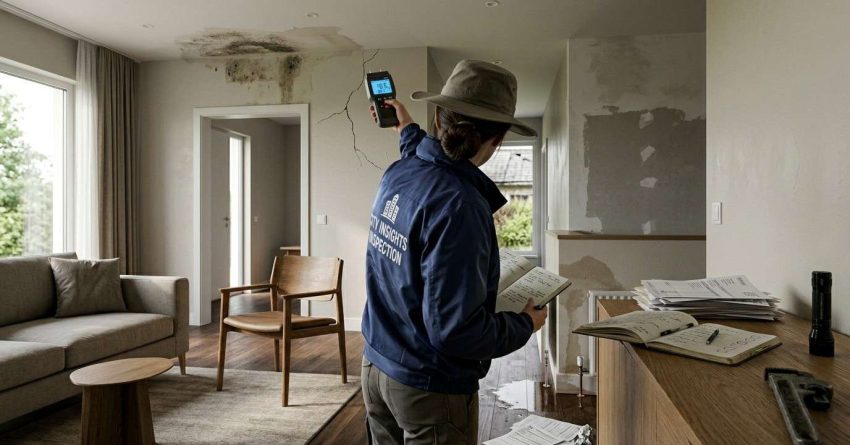
Red flags when selling a house are visible or hidden issues that warn buyers of deeper problems, such as structural damage, water intrusion, outdated systems, or undisclosed repairs. These warning signs lower offers, delay closings, and break deals. Spotting them early gives sellers the chance to repair, disclose, or price accordingly, protecting both the sale price and the trust of serious buyers in a competitive market.
Common Red Flags Sellers Should Watch For
The most common red flags when selling a house include foundation cracks, roof damage, water stains, outdated electrical panels, faulty plumbing, mold growth, pest infestations, and missing permits for past renovations. Buyers and inspectors flag these issues quickly, leading to lower offers, renegotiations, or canceled contracts during the inspection contingency period.
Structural and Foundation Issues
Structural concerns are among the most damaging red flags a seller can face. Sloping floors, cracked drywall above doorways, sticking windows, and visible foundation cracks signal possible settlement or moisture problems. Buyers often request engineering reports when these signs appear, and lenders may pause financing until repairs are documented. Addressing foundation issues before listing protects the asking price and prevents extended negotiations. Even minor cosmetic cracks should be inspected, since buyers cannot easily distinguish them from serious structural movement without a professional opinion.
Hidden Water, Roof, and System Damage
Water damage, roof wear, and aging HVAC, plumbing, or electrical systems frequently surface during buyer inspections. Stained ceilings, musty odors, rusted water heaters, and missing GFCI outlets all reduce buyer confidence. Roofs nearing the end of their lifespan are especially concerning because replacement costs are high. Old panels, galvanized pipes, or DIY wiring also raise insurance and safety concerns. Sellers who proactively service these systems, document maintenance records, and replace failing components present a stronger, more trustworthy listing to buyers and appraisers.
Identifying these issues is only half the work. Preventing them from derailing the sale requires a thorough pre-listing inspection and targeted repairs before the home enters the market.
How Pre-Sale Inspections and Repairs Prevent Red Flags
A pre-listing inspection helps sellers find problems before buyers do. It identifies hidden defects, prioritizes repairs, and gives sellers control over disclosures, pricing, and negotiation leverage. Working with professional service providers ensures repairs meet local code, look polished, and hold up under buyer scrutiny during the official inspection.
Fixing Issues Before Listing Your Home
Smart sellers tackle the highest-impact repairs first: addressing visible roof damage early, repairing plumbing leaks, updating outdated electrical fixtures, repainting stained ceilings, and clearing pest issues.
HVAC tune-ups, drywall patching, deep cleaning, and pressure washing exteriors also raise perceived value. Documenting every repair with receipts builds buyer trust and reduces post-inspection negotiations. Coordinating multiple trades through one trusted service partner saves time, ensures quality, and keeps the listing timeline on track.
Cosmetic vs. Serious Red Flags — Knowing the Difference
Not every flaw kills a deal. Chipped paint, worn carpet, and dated fixtures are cosmetic red flags that buyers expect to update themselves. Serious red flags involve safety, structure, or major systems: foundation movement, active leaks, mold, knob-and-tube wiring, or unpermitted additions. Sellers should fix serious issues before listing and use staging, paint, and minor upgrades to neutralize cosmetic concerns. Knowing which category each issue belongs to helps sellers spend repair budgets where they matter most and avoid overinvesting in updates buyers will redo anyway.
Conclusion
Red flags when selling a house range from cosmetic concerns to serious structural, water, and system issues that directly affect buyer trust and final offers.
Homeowners and property managers who address these warnings before listing protect their sale price, shorten closing timelines, and present a confident, well-maintained property.
Need reliable repairs before listing? Contact Mr. Local Services today to connect with trusted professionals who get your home market-ready fast.
Frequently Asked Questions
What is the biggest red flag when selling a house?
Foundation and structural damage are the biggest red flags because they trigger lender concerns, costly repairs, and buyer hesitation, often leading to renegotiations or canceled offers during inspection.
Do I have to disclose problems when selling my house?
Yes. Most states require sellers to disclose known material defects, including past water damage, structural repairs, pest issues, and roof problems, to avoid legal liability after closing.
Should I get an inspection before selling my home?
A pre-listing inspection helps you identify and fix red flags early, price the home accurately, reduce surprises during buyer inspections, and strengthen your negotiating position.
What repairs are worth doing before selling?
Focus on roof, plumbing, electrical, HVAC, and visible water damage repairs. These high-impact fixes prevent inspection issues and protect your asking price more than cosmetic upgrades.
Can I sell a house with red flags as-is?
Yes, but expect lower offers and a smaller buyer pool. As-is sales work best when pricing reflects needed repairs and disclosures are transparent and complete.