
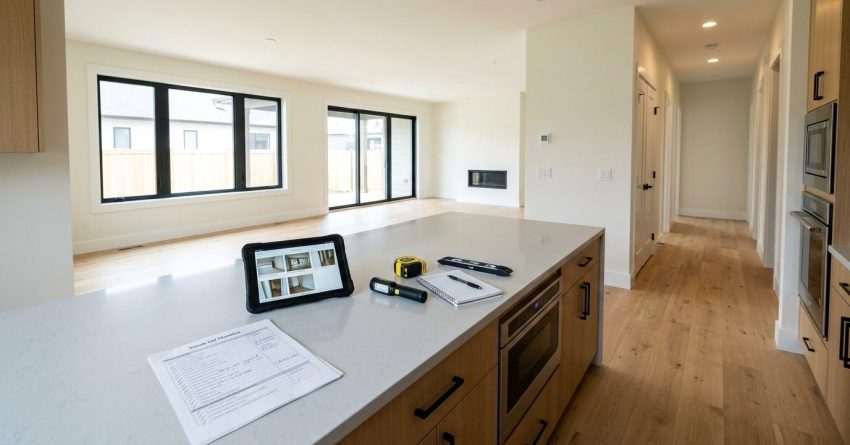
A punch list is a final inspection document that records every incomplete or defective item in a home project before sign-off. Used at the close of renovations, new construction, and major repairs, it gives homeowners and contractors a shared, written record of exactly what still needs to be done. Following punch list best practices ensures nothing is missed, disputes are avoided, and the finished property meets the agreed standard.
Skipping a structured punch list process is one of the most common reasons property owners end up paying for rework after a project closes.
This guide covers what belongs on a punch list, how to conduct a thorough walkthrough, and the mistakes that cost homeowners time and money.
What Is a Punch List in Home Services?
A punch list is a written checklist created near the end of a construction, renovation, or repair project. It documents every item that is incomplete, damaged, or does not meet the agreed specifications. Once all items are resolved, the project is considered complete and final payment is typically released.
The term comes from the construction industry, where inspectors would physically punch a hole next to each item as it was addressed. Today, punch lists are used by homeowners, landlords, property managers, contractors, and real estate professionals to manage project close-out efficiently.
Understanding what a punch list covers becomes much clearer when you have a full picture of available services — our home services guide explains every major service category, what each includes, and when property owners typically need them.
Why Punch Lists Matter for Property Owners
A punch list protects your investment. Without one, defects discovered after final payment are harder to resolve because the contractor has less contractual obligation to return. A documented punch list creates accountability on both sides, sets a clear completion standard, and gives you a written record if disputes arise later.
For landlords and property managers, punch lists also serve as a condition baseline before a tenant moves in, making it easier to distinguish pre-existing issues from tenant-caused damage.
The Complete Punch List Best Practices Checklist
A thorough punch list covers three core areas: interior finishes, exterior and structural elements, and building systems. Work through each category systematically during your walkthrough rather than moving room to room without a structure.
Interior Inspection Items
- Walls: check for nail pops, cracks, uneven texture, and paint inconsistencies
- Ceilings: inspect for water stains, sagging, and unfinished drywall seams
- Floors: look for gaps, squeaks, scratches, uneven transitions, and loose tiles
- Doors: test every door for smooth operation, proper latch engagement, and consistent gap spacing
- Windows: check for smooth operation, secure locks, intact seals, and no visible condensation between panes
- Trim and molding: inspect for gaps, caulk voids, paint bleed, and loose sections
- Cabinets and hardware: test all hinges, drawer slides, and door alignment
- Outlets and switches: test every outlet and confirm all switch plates are installed flush
Many interior punch list items — from sticky doors to damaged trim — fall squarely within the scope of professional handyman repair services, which cover a wide range of small-to-medium repairs that keep a property move-in ready.
Exterior and Structural Items
- Siding: check for gaps, cracks, missing sections, and paint or finish inconsistencies
- Gutters and downspouts: confirm secure attachment, proper slope, and clear drainage paths
- Roof: inspect visible shingles, flashing, ridge caps, and fascia boards for damage or improper installation
- Foundation and grading: look for cracks and confirm the ground slopes away from the structure
- Driveway and walkways: check for cracks, uneven sections, and trip hazards
- Exterior doors: test operation, weatherstripping seal, and threshold gaps
- Deck or patio: inspect for loose boards, unstable railings, and surface damage
Exterior punch list items involving shingles, flashing, or fascia boards require a closer look from a qualified contractor — roofing inspection services can identify damage that is easy to miss during a standard walkthrough.
Systems and Safety Items
- HVAC: confirm the system operates in both heating and cooling modes; check filter access and thermostat function
- Plumbing: run every faucet, flush every toilet, and check under sinks for leaks or slow drains
- Electrical: test all outlets with a plug-in tester; confirm GFCI outlets trip and reset correctly
- Water heater: check for leaks, confirm temperature setting, and verify the pressure relief valve is accessible
- Smoke and carbon monoxide detectors: test every unit and confirm battery installation
- Exhaust fans: test bathroom and kitchen fans for proper airflow
Any punch list item flagging outlets, panel concerns, or wiring issues should be verified by a licensed technician — an electrical safety inspection ensures every system meets code before a project is signed off.
Leaks, slow drains, and fixture concerns are common punch list findings that benefit from a professional plumbing system check to confirm everything is functioning correctly before final sign-off.
How to Use a Punch List Effectively
Creating the list is only half the process. How you use it determines whether issues actually get resolved.
Document everything in writing before the walkthrough begins. Use a consistent format — either a printed checklist or a shared digital document — so both you and the contractor are working from the same record. Photograph every defect at the time of discovery. Photos create an objective record that is far more useful than written descriptions alone if a dispute arises.
Assign a completion deadline to each item, not just a general “fix everything” instruction. Vague timelines lead to delays. A specific date for each item keeps the process moving and gives you a clear basis for follow-up.
Punch lists are most commonly used at the close of a renovation — if you are planning a larger project, understanding the full scope of remodeling services helps you set expectations for what a final walkthrough should cover.
Who Should Be Present During a Punch List Walkthrough
The property owner or their representative and the lead contractor should both be present. Having both parties walk the property together eliminates the “I didn’t see that” problem and allows immediate discussion of each item. For larger projects, a third-party inspector adds an objective perspective and can catch items both parties might overlook.
Common Punch List Mistakes to Avoid
Rushing the walkthrough is the most costly mistake. Set aside adequate time — at least 30 minutes for a single room renovation and several hours for a full home project. Trying to complete a punch list in 15 minutes almost always results in missed items that surface after the contractor has left.
Failing to document items in writing is the second most common error. Verbal agreements about what needs to be fixed are difficult to enforce. Every item should be written down, dated, and acknowledged by both parties.
Accepting incomplete work under pressure is another frequent problem. Contractors sometimes push for final payment before all punch list items are resolved. Withholding a reasonable portion of final payment until the list is cleared is a standard and accepted practice in the industry.
Finally, not re-inspecting after repairs are made is a mistake that allows substandard fixes to pass unnoticed. Every resolved item should be physically re-checked before it is marked complete.
When to Call a Professional for Punch List Items
Some punch list items are straightforward enough for a homeowner to address independently. Others require a licensed professional — and attempting to fix them without the right expertise can create larger problems or void warranties.
Call a professional when punch list items involve structural components, electrical systems, plumbing, roofing, or HVAC. These are not areas where cosmetic fixes are sufficient. A professional can also identify whether a visible defect is a surface issue or a symptom of something deeper.
Cracks, nail pops, and unfinished texture are among the most frequently flagged punch list items — drywall repair services address these cosmetic and structural issues quickly so a project can reach final completion.
Touch-ups, missed coverage, and paint inconsistencies are standard punch list findings — professional interior painting services ensure every surface meets the finish standard required before a property is handed over.
When multiple punch list items span different trade categories, working with a single provider who covers a broad range of services simplifies coordination and speeds up resolution.
Conclusion
A well-executed punch list is the difference between a project that is truly finished and one that leaves unresolved problems behind. Documenting every defect, assigning clear deadlines, and re-inspecting completed work protects your investment and keeps contractors accountable.
Property owners who follow structured punch list best practices consistently experience fewer post-project disputes and faster final sign-offs across every service category.
When you are ready to resolve outstanding punch list items, Mr. Local Services connects you with skilled professionals across every trade — delivering reliable, quality workmanship that gets your property to the finish line.
Frequently Asked Questions
What is the purpose of a punch list?
A punch list documents every incomplete or defective item in a construction or renovation project before final sign-off. It creates a shared written record between the property owner and contractor, ensuring all agreed work is completed to the required standard before final payment is released.
Who creates a punch list?
A punch list is typically created by the property owner, their representative, or a third-party inspector during a final walkthrough. The contractor is usually present during this process so both parties can agree on what needs to be addressed before the project is considered complete.
How long does it take to complete punch list items?
Completion time depends on the number and complexity of items identified. Minor cosmetic fixes may be resolved within a few days, while items involving trades such as electrical, plumbing, or structural repairs can take one to two weeks depending on scheduling and material availability.
Can a homeowner create their own punch list?
Yes. Homeowners can and should create their own punch list using a structured checklist that covers interior finishes, exterior elements, and building systems. Photographing each item and documenting it in writing before the contractor walkthrough strengthens your position if any items are disputed.
What happens if punch list items are not completed?
If a contractor fails to complete punch list items, the property owner has grounds to withhold the corresponding portion of final payment. Unresolved items should be documented in writing, and the homeowner may need to hire a separate contractor to complete the work, with costs potentially recoverable from the original contractor depending on the contract terms.


