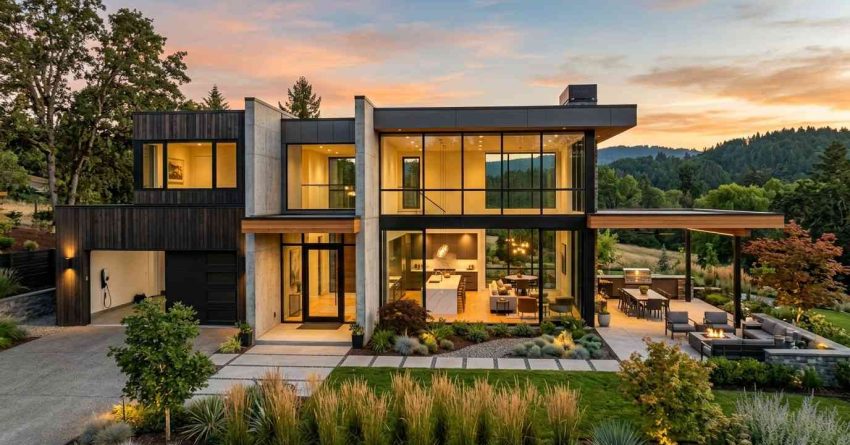
Building a custom home in 2026 means making hundreds of decisions — and the features you choose from the start determine how comfortable, efficient, and valuable your home will be for decades. From smart automation systems to energy-rated windows and accessible design, today’s best custom homes are built around performance, safety, and long-term livability. This guide covers every must-have feature modern homeowners, landlords, and property managers should plan for before breaking ground.
Understanding which features matter most helps you avoid costly retrofits and ensures your home meets both current standards and future needs.
This guide walks through 12 essential feature categories, explains what each includes, and shows how each one contributes to a well-built, high-value custom home.
1. Smart Home Integration and Automation Systems
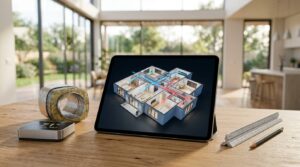
A custom home built in 2026 without smart integration is already behind. Whole-home automation connects lighting, climate, security, appliances, and entertainment into a single controllable system — accessible from a smartphone or voice command.
Whole-Home Automation Hubs
The foundation of a smart home is a central hub that communicates with every connected device. Popular platforms include Google Home, Amazon Alexa, and Apple HomeKit. When planned during construction, wiring and device placement can be optimized rather than retrofitted — which significantly reduces installation costs and improves system reliability.
Key components to plan for include smart thermostats, automated lighting zones, motorized window shades, and whole-home audio systems. Each of these adds daily convenience and measurable energy savings.
Smart Security and Access Control
Security is one of the strongest arguments for smart home investment. Video doorbells, smart locks, motion-activated cameras, and integrated alarm systems give homeowners real-time visibility and remote control over who enters their property.
Planning smart access control during the build phase allows for seamless integration with your door hardware, electrical panel, and internet infrastructure — rather than surface-mounted workarounds added after construction. For homeowners interested in combining smart security with physical entry systems, our locksmith home security services covers what to plan for during new construction.
2. Energy-Efficient HVAC and Climate Control
Heating and cooling account for the largest share of a home’s energy consumption. A custom build gives you the opportunity to design a system that is properly sized, efficiently zoned, and built for the local climate from day one.
Zoned Heating and Cooling Systems
Zoned HVAC systems divide your home into independently controlled temperature areas. This means the bedrooms can be cooler at night while the living areas stay comfortable during the day — without heating or cooling unused spaces. Zoning reduces energy waste and extends equipment life by reducing unnecessary runtime.
Understanding your options for heating and cooling is essential before breaking ground — our HVAC system options guide covers zoned systems, heat pumps, and air quality solutions designed for new construction.
Air Quality Monitoring and Ventilation
Modern custom homes increasingly include dedicated ventilation systems such as Energy Recovery Ventilators (ERVs) or Heat Recovery Ventilators (HRVs). These systems exchange stale indoor air for fresh outdoor air without losing the conditioned temperature — maintaining air quality without energy loss.
Pairing ventilation with air quality monitors that track particulate matter, humidity, and CO2 levels gives homeowners actionable data to keep their indoor environment healthy year-round.
3. Open-Concept Floor Plans with Flexible Spaces
Open-concept layouts remain one of the most requested features in custom home design. Removing barriers between the kitchen, dining, and living areas creates a sense of space, improves natural light flow, and supports the way modern families actually live and entertain.
Multi-Purpose Rooms and Convertible Layouts
The most forward-thinking custom homes in 2026 go beyond open concept to include rooms designed for multiple uses. A home office that converts to a guest room, a flex space that functions as a gym or playroom, or a bonus room above the garage that can serve different purposes as the family grows — these design decisions add long-term value without adding square footage.
Structural planning during the build phase is essential for flexible layouts. Load-bearing walls, electrical placement, and plumbing rough-ins all need to account for how a space might be used differently in five or ten years.
4. High-Performance Roofing and Exterior Systems
Your roof is the first line of defense against weather, moisture, and heat gain. In a custom build, you have full control over material selection, insulation levels, and design — choices that directly affect energy efficiency, maintenance costs, and curb appeal.
Weather-Resistant Materials and Roof Design
Impact-resistant shingles, metal roofing, and synthetic slate are among the most popular choices for custom homes in 2026. Each offers a different balance of cost, longevity, and aesthetic. Metal roofing, for example, can last 40 to 70 years with minimal maintenance, while architectural shingles offer a lower upfront cost with a 25 to 30-year lifespan.
Roof pitch, overhang depth, and drainage design also affect how well your home handles heavy rain, snow loads, and wind. Selecting the right materials early protects your investment for decades — our roofing material choices resource explains the most durable options available for custom builds in 2026.
5. Upgraded Electrical Systems and EV Readiness
Electrical infrastructure is one of the most consequential decisions in a custom build — and one of the most expensive to upgrade after the fact. Planning for current and future electrical demand from the start is essential.
Panel Capacity, EV Charging, and Whole-Home Generators
A 200-amp panel was standard for decades, but custom homes in 2026 increasingly require 400-amp service to support EV chargers, whole-home generators, smart appliances, and home offices running multiple high-draw devices simultaneously.
Dedicated EV charging circuits — ideally Level 2 at 240 volts — should be roughed in during construction even if you do not currently own an electric vehicle. The cost to add this during the build is a fraction of what it costs to retrofit later. Whole-home standby generators, connected to natural gas or propane, provide automatic backup power during outages and are far easier to integrate during construction than after.
A properly sized electrical system is the backbone of a modern custom home — our electrical panel upgrades guide walks through capacity planning, EV readiness, and whole-home generator integration.
6. Advanced Plumbing and Water Management
Plumbing decisions made during a custom build affect daily comfort, water efficiency, and long-term maintenance costs. The right systems reduce waste, prevent damage, and deliver consistent performance for decades.
Tankless Water Heaters, Filtration, and Leak Detection
Tankless water heaters provide on-demand hot water without the standby energy loss of traditional tank systems. They take up less space, last longer, and can be sized to serve the entire home or individual zones. For large custom homes, a recirculation system ensures hot water reaches distant fixtures quickly without wasting water while waiting.
Whole-home water filtration systems address water quality at the point of entry, protecting appliances, plumbing fixtures, and the people using them. Smart leak detection sensors — installed at water heaters, under sinks, and near appliances — provide real-time alerts and can automatically shut off the water supply when a leak is detected.
Getting your water management right from the start prevents costly repairs later — our plumbing system planning covers tankless heaters, filtration systems, and smart leak detection for new homes.
7. Premium Flooring and Interior Finishes
Flooring is one of the most visible and tactile elements of any home. In a custom build, you have the opportunity to select materials that match your lifestyle, aesthetic preferences, and long-term maintenance expectations — rather than choosing from a builder’s standard package.
Durable, Low-Maintenance Flooring Options
Hardwood remains a top choice for main living areas due to its warmth, longevity, and resale value. Engineered hardwood offers similar aesthetics with better resistance to humidity fluctuations — making it a strong choice for kitchens, basements, and regions with significant seasonal temperature swings.
Luxury vinyl plank (LVP) has become one of the most popular flooring options in custom homes due to its durability, waterproof properties, and realistic wood or stone appearance. Porcelain tile remains the standard for bathrooms and laundry rooms, offering unmatched moisture resistance and design flexibility.
Choosing the right surface material affects both comfort and long-term maintenance costs — our flooring installation options guide compares hardwood, luxury vinyl, tile, and engineered options for custom homes.
8. Custom Cabinetry, Carpentry, and Built-Ins
Factory-standard cabinetry and off-the-shelf storage solutions are the hallmarks of production homes. A custom build gives you the opportunity to design storage, shelving, and millwork that fits your space precisely and reflects your personal style.
Storage Solutions and Craftsmanship Details
Custom cabinetry in the kitchen, bathrooms, and laundry room maximizes every inch of available space. Built-in bookshelves, window seats with storage, mudroom lockers, and custom closet systems are among the most requested carpentry features in 2026 custom builds.
Beyond storage, custom carpentry details — crown molding, coffered ceilings, wainscoting, and custom stair railings — define the character and quality of a home’s interior. These elements are far more cost-effective to plan and install during construction than to add as renovations later.
Built-ins and custom millwork add lasting value and character to any home — our custom carpentry work explains what skilled carpenters can design and install throughout your build.
9. Safety, Accessibility, and Mobility Features
Universal design — building a home that works for people at every age and ability level — is one of the most practical investments a custom home builder can make. Features that support accessibility today also protect the home’s long-term livability and resale value.
Universal Design Elements for Long-Term Living
Zero-threshold entries, wider doorways (36 inches minimum), and open floor plans that accommodate mobility aids are foundational universal design elements. First-floor primary bedrooms and bathrooms allow homeowners to age in place without requiring major renovations later.
In bathrooms, curbless showers, grab bar blocking in walls, and comfort-height toilets add safety without sacrificing aesthetics. Lever-style door handles, rocker light switches, and non-slip flooring surfaces are small details that make a significant difference in daily usability.
Planning for accessibility from the start is far more cost-effective than retrofitting later — our safety and mobility features guide covers universal design elements that support comfortable living at every life stage.
10. Outdoor Living, Landscaping, and Deck Spaces
The outdoor areas of a custom home are an extension of the living space — and in 2026, buyers and homeowners expect them to be as thoughtfully designed as the interior.
Functional Outdoor Areas and Curb Appeal
A well-designed outdoor space begins with proper grading and drainage to protect the foundation and prevent water intrusion. From there, hardscape elements — patios, walkways, retaining walls, and driveways — define the structure of the outdoor environment.
Decks and covered outdoor living areas are among the highest-return additions in custom home construction. A well-built deck with durable composite or hardwood decking, built-in seating, and outdoor lighting creates a functional space for entertaining and daily use.
A well-designed outdoor space extends your living area and boosts curb appeal significantly — our landscape design planning resource covers grading, planting, irrigation, and hardscape options for new custom homes. For homeowners planning a deck or covered patio, our deck and patio builders explains design options, materials, and what to expect from a professional deck installation.
11. Window, Door, and Natural Light Optimization
Windows and doors affect energy efficiency, security, natural light, ventilation, and the overall aesthetic of a custom home. Selecting the right products during the design phase pays dividends in comfort and utility costs for the life of the home.
Energy-Rated Windows and Secure Entry Systems
Triple-pane windows with low-emissivity (low-E) coatings are the standard for energy-efficient custom homes in colder climates, while double-pane low-E windows perform well in moderate climates. Window placement — not just window quality — determines how effectively natural light reaches interior spaces throughout the day.
Choosing the right windows affects energy efficiency, natural light, and noise control throughout your home — our window selection guide covers energy ratings, frame materials, and glazing options for custom builds.
Entry doors in a custom home should balance security, insulation, and design. Fiberglass and steel doors offer superior insulation and durability compared to wood, while still being available in a wide range of styles. Your entry doors are both a security feature and a design statement — our exterior door options covers materials, insulation ratings, and smart lock compatibility for new construction.
12. Drywall, Ceiling, and Interior Structural Details
The quality of interior finishing work is what separates a well-built custom home from a production build. Drywall finish levels, ceiling design, and soundproofing decisions are made during construction and are difficult and expensive to change afterward.
Tray Ceilings, Soundproofing, and Finish Quality
Drywall finish levels range from Level 0 (bare) to Level 5 (skim-coated, paint-ready). Custom homes typically specify Level 4 or Level 5 finishes in main living areas for a smooth, professional appearance. Bathrooms and utility spaces may use Level 3.
Tray ceilings, coffered ceilings, and vaulted ceilings add architectural interest and perceived space to primary rooms. These features require structural planning during the framing phase and coordination with electrical for lighting placement.
Soundproofing between floors and between rooms — using resilient channels, acoustic insulation, and mass-loaded vinyl — is one of the most requested features in multi-story custom homes. The quality of your interior wall and ceiling work defines the finished look and feel of every room — our drywall and ceiling finishes guide explains finish levels, tray ceiling construction, and soundproofing options.
Maintaining Your Custom Home After Move-In
Building the right features into your custom home is only the first step. Keeping those systems and finishes in top condition requires consistent, professional maintenance. From HVAC filter changes and plumbing inspections to seasonal exterior care and appliance servicing, ongoing upkeep protects the investment you made during construction.
Once your custom home is complete, keeping it in top condition requires reliable ongoing care — our home maintenance services connects you with skilled professionals for repairs, upkeep, and seasonal maintenance tasks.
How to Choose the Right Home Services Provider
Every feature in this guide requires skilled installation and, over time, professional maintenance. Choosing the right service provider is as important as choosing the right materials.
What to Look for in a Reliable Contractor
Look for licensed, insured professionals with verifiable experience in the specific service category you need. References, online reviews, and portfolio examples are all useful signals — but transparent pricing and clear communication are equally important. A reliable provider explains what the work includes, how long it will take, and what the outcome will be before any work begins.
Mr. Local Services connects homeowners and property managers with trusted professionals across every service category covered in this guide — from HVAC and electrical to flooring, carpentry, and outdoor living. As your needs evolve, planned upgrades protect and grow your property’s value — our home improvement planning resource helps homeowners identify the right projects and find qualified professionals to execute them.
Conclusion
Custom homes built in 2026 are defined by smart systems, energy efficiency, durable materials, and thoughtful design — features that work together to create a home that performs well and holds its value over time. Each of the 12 categories covered here represents a decision point where the right choice during construction saves money, improves comfort, and prevents costly repairs later.
Planning these features carefully before breaking ground gives homeowners and property managers the clearest path to a home that meets their needs today and adapts to their needs in the future.
Contact Mr. Local Services to connect with skilled professionals across every service category — from initial installation to long-term maintenance — and keep your custom home performing at its best year-round.
Frequently Asked Questions
What are the most important features to include in a custom home in 2026?
The most important features in a custom home in 2026 include smart home automation, energy-efficient HVAC with zoned climate control, upgraded electrical systems with EV readiness, advanced plumbing with leak detection, and universal design elements for long-term accessibility. These features deliver the greatest combination of daily comfort, energy savings, and long-term property value.
How much does it cost to add smart home features to a custom build?
Smart home integration costs vary widely depending on the scope of the system. Basic automation — smart thermostat, lighting controls, and a video doorbell — can be added for a few thousand dollars, while a fully integrated whole-home system with automated shading, security, and audio can range from $20,000 to $100,000 or more. Planning during construction is significantly more cost-effective than retrofitting after move-in.
Is universal design worth including in a new custom home?
Yes. Universal design features such as zero-threshold entries, wider doorways, and curbless showers add minimal cost during construction but significantly increase the home’s long-term livability and resale appeal. These features support aging in place and make the home accessible to a wider range of buyers when the time comes to sell.
What flooring is best for a custom home?
The best flooring for a custom home depends on the room and lifestyle. Hardwood and engineered hardwood work well in main living areas, luxury vinyl plank is ideal for high-moisture or high-traffic zones, and porcelain tile is the standard for bathrooms and laundry rooms. Choosing durable, low-maintenance materials in each area reduces long-term upkeep costs.
How do I find reliable contractors for my custom home features?
Look for licensed, insured professionals with documented experience in the specific service you need. Ask for references, review past project examples, and confirm that pricing and scope are clearly communicated before work begins. Mr. Local Services connects homeowners with trusted professionals across every home service category — making it easier to find qualified help for every stage of your custom home build and ongoing maintenance.