Most homeowners and landlords leave money on the table every April. The most overlooked tax break is the home office deduction combined with property-related improvements, repairs, and energy-efficiency credits. Many property owners assume these deductions are too complicated, too small, or only available to businesses. In reality, they apply to a wide range of residential and commercial property situations. Knowing which expenses qualify can lower your tax bill significantly while keeping your property in better condition year after year.
The Most Overlooked Tax Break: Home Office and Property-Related Deductions
The most overlooked tax break is the home office deduction paired with related property expenses. Self-employed individuals, landlords, and remote workers can deduct a portion of mortgage interest, utilities, insurance, repairs, and depreciation tied to a dedicated workspace or rental property. The IRS allows either a simplified $5 per square foot method or actual expense calculation.
Why This Deduction Goes Unclaimed
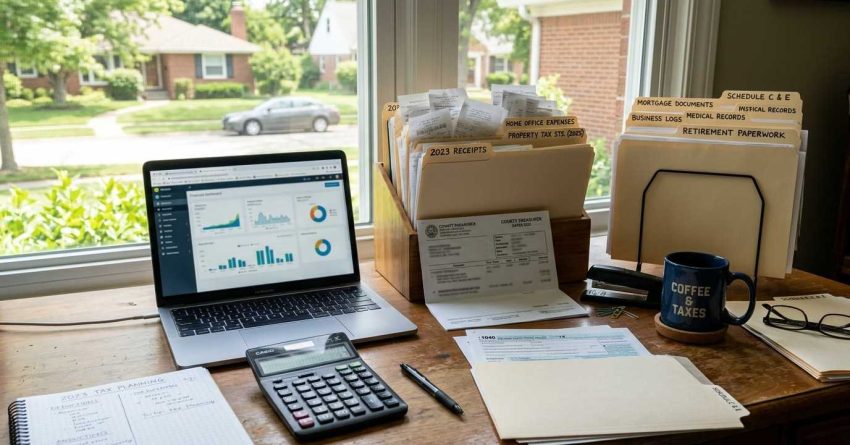
Many property owners skip this deduction out of fear. Older guidance suggested it triggered audits, and that belief still circulates today. Others believe their workspace is too small to matter or that mixed-use rooms disqualify them. Recordkeeping also feels intimidating when receipts pile up across multiple service categories like plumbing, electrical, and roofing repairs. The result is a deduction worth hundreds or thousands of dollars sitting unused. Clear documentation and a defined workspace solve both concerns and unlock real savings.
Who Qualifies for This Tax Break
Qualification is broader than most realize. Self-employed professionals, freelancers, and gig workers using a regular and exclusive workspace qualify. Landlords and property managers can deduct expenses tied directly to rental units, including maintenance, repairs, and management costs. Real estate professionals meeting active participation rules can deduct losses against ordinary income. Even commercial property owners overlook deductions for routine upkeep. The common thread is documentation: square footage, expense receipts, and a clear business purpose tied to the property.
The definition is the easy part. The deeper savings come from understanding which qualifying home improvement projects and repairs actually move the needle on your return.
How Home Improvements and Repairs Factor Into Your Tax Break
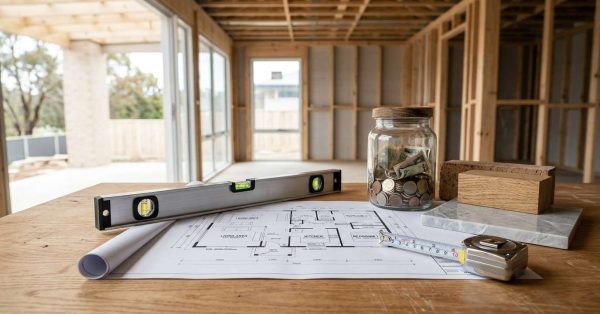
Home improvements and repairs interact with your taxes in two distinct ways, and confusing them is where most savings slip away. Repairs that maintain your property in working condition, like patching drywall, fixing a leaky faucet, or servicing an HVAC unit, are typically deductible in the year they occur for rental and business-use properties. Capital improvements, such as a new roof, room addition, or full kitchen remodel, add to your property’s cost basis and reduce capital gains tax when you sell.
Capital Improvements vs. Repairs
Knowing the difference protects your deduction. A repair restores function. An improvement adds value, extends useful life, or adapts the property to new uses. Replacing a broken window pane is a repair. Installing energy-efficient windows throughout the home is a capital improvement. The same logic applies to flooring, plumbing overhauls, and major roofing replacements. Track each project separately with invoices, dates, and scope notes so your CPA can classify them correctly at filing time.
Other Commonly Missed Property Tax Deductions
Several smaller deductions add up quickly when claimed together. Property tax payments, mortgage insurance premiums, and points paid at closing often go unreported. Energy-efficiency credits cover qualifying improvements like solar panels, heat pumps, insulation, and energy-efficient HVAC upgrades, with credits worth up to 30% of installation costs under current federal rules. Landlords frequently miss deductions for pest control, landscaping, locksmith services, and travel between rental properties. Casualty losses from declared disasters and depreciation on rental assets round out the list of high-value, underclaimed items.
Conclusion
The most overlooked tax break combines the home office deduction with property improvements, repairs, and energy credits available to homeowners, landlords, and property managers across the country.
Tracking these expenses across multiple service categories takes organization, but the annual savings reward consistent recordkeeping and informed property management decisions.
We help property owners stay maintenance-ready with documented service records year-round. Schedule a property service today with Mr. Local Services and protect both your home and your tax position.
Frequently Asked Questions
Can homeowners deduct home repair costs on their taxes?
Generally no for primary residences, but repairs on home offices, rental units, or business-use portions of a property are deductible in the year incurred.
Does a new roof qualify as a tax deduction?
A new roof is a capital improvement, not an immediate deduction. It adds to your cost basis and reduces capital gains tax when you sell.
Are energy-efficient upgrades tax deductible?
Many qualify for federal tax credits, including solar panels, heat pumps, insulation, and efficient HVAC systems, often worth up to 30% of installation costs.
Can landlords deduct property maintenance services?
Yes. Landlords can deduct ordinary maintenance like cleaning, pest control, landscaping, plumbing, and electrical repairs as rental expenses each tax year.
What records do I need to claim property tax breaks?
Keep dated invoices, receipts, project descriptions, before-and-after photos, and proof of payment for every service to support your deductions.