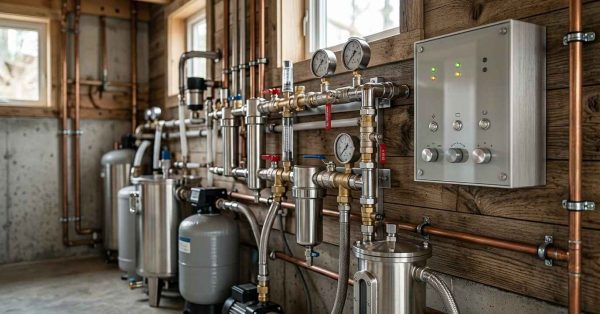
Plumbing is moderately easy to learn for basic tasks but difficult to master at a professional level. Homeowners can confidently handle small repairs like fixing a leaky faucet, unclogging drains, or replacing a showerhead within a few hours of practice. Complex work involving water lines, gas, sewer systems, or code compliance requires formal training, licensing, and years of hands-on experience. The right answer depends on the project’s risk, scope, and legal requirements.
Is Plumbing Easy to Learn? The Direct Answer
Basic plumbing is easy to learn. Most homeowners can master simple repairs in a weekend using online tutorials, basic tools, and patience. Advanced plumbing involving pipe sizing, venting, water pressure, and building codes is significantly harder and typically requires apprenticeship training spanning two to five years. Skill level should match project complexity.
What Makes Plumbing Approachable for Beginners
Many plumbing tasks rely on logical, visible systems. Water flows in, drains out, and most fixtures connect with standardized fittings. Tools like adjustable wrenches, plungers, and plumber’s tape solve a wide range of household problems. Replacing a faucet washer, tightening a P-trap, or installing a new toilet seat requires no special certification. Visual learners often pick up these skills quickly because each step has a clear, observable outcome. Free tutorials and manufacturer guides cover most everyday repairs in detail.
What Makes Plumbing Genuinely Difficult
The challenge increases sharply with hidden systems. Slope calculations for drain lines, vent stack placement, water hammer prevention, and backflow protection demand technical understanding most homeowners lack. Local plumbing codes vary by city and require permits for many jobs. Mistakes can cause flooding, mold, contaminated water, or structural damage. Soldering copper, working with PEX manifolds, or repairing main sewer lines carries real consequences. This is why licensed plumbers complete years of supervised training before working independently on complex installations.
Knowing the difference between a fix you can handle and a job that needs expertise saves time, money, and risk. For larger or code-regulated work, professional plumbing services deliver lasting results without the trial-and-error cost.
How Long It Takes to Learn Plumbing Skills
Learning curve depends entirely on goals. Picking up basic DIY plumbing takes a single weekend of focused practice. Becoming comfortable with intermediate tasks like installing a garbage disposal or replacing supply lines takes a few months of occasional projects. Professional competency takes far longer.
DIY Plumbing vs. Professional Training Paths
DIY learners typically follow video tutorials, work on their own home, and build skill through repetition. Most reach a confident “household-handy” level within one to two years. Professional plumbers in the USA complete a four to five year apprenticeship combining classroom hours with paid field training, then pass a licensing exam. Many states require 8,000 hours of supervised work before granting a journeyman license. The gap reflects the responsibility involved when working on systems that affect health, safety, and property value. Building familiarity with common household plumbing repairs is a smart starting point for any homeowner.
When to Learn It Yourself vs. Hire a Pro
Handle small, low-risk jobs yourself. Faucet swaps, drain cleaning, toilet flapper replacement, and showerhead installation are safe entry points. Hire a licensed plumber for water heater installation, sewer line work, gas connections, repiping, slab leaks, or anything requiring a permit. The cost of a professional is almost always lower than the cost of fixing a DIY mistake on a pressurized water system. Property managers and landlords especially benefit from professional service because liability, tenant safety, and code compliance carry direct legal weight.
Conclusion
Plumbing is easy to learn for routine household tasks and difficult to master at a professional level. The right approach depends on project scope, safety, and code requirements.
For larger property maintenance needs, pairing DIY skills with a skilled handyman service keeps homes running smoothly without overextending your weekend.
When the job exceeds your comfort zone, Mr. Local Services connects you with trusted, licensed plumbers ready to deliver dependable results.
Frequently Asked Questions
Can I teach myself plumbing at home?
Yes. Basic repairs like changing washers, unclogging drains, and replacing fixtures can be self-taught using video tutorials and hands-on practice within a single weekend.
How long does it take to become a licensed plumber?
Most states require four to five years of apprenticeship combined with classroom hours and a passing licensing exam before granting journeyman plumber status.
What is the hardest part of learning plumbing?
The hardest parts are reading building codes, calculating drain slope, understanding venting systems, and diagnosing hidden leaks behind walls or under slabs accurately.
Is plumbing harder than electrical work?
Both trades require licensing and training. Plumbing involves more physical labor and water risk, while electrical work demands precise code knowledge and shock-hazard safety.
What plumbing jobs always require a professional?
Water heater installation, gas line work, sewer repairs, repiping, slab leak detection, and any job requiring a city permit always require a licensed professional plumber.