How to Avoid Getting Ripped Off by a Contractor
To avoid getting ripped off by a contractor, verify their license and insurance, collect at least three written estimates, never pay more than a small deposit upfront, and require a detailed written contract before any work begins. These four steps eliminate the vast majority of contractor scams homeowners face today.
Contractor fraud costs U.S. homeowners millions each year, ranging from incomplete jobs to outright disappearance after deposits. The good news is that nearly every scam follows predictable patterns, and a few careful habits stop them cold. Knowing what to ask, what to read, and when to walk away gives you full control of the project.
Verify Licenses, Insurance, and Credentials
Always confirm the contractor holds an active state or local license for your project type. Ask for proof of general liability insurance and workers’ compensation, then call the insurer directly to verify coverage is current. Request three recent customer references and actually call them. Check Better Business Bureau ratings, Google reviews, and your state’s contractor licensing board for complaints or disciplinary actions. Legitimate contractors share this information without hesitation. Anyone who resists, delays, or gives vague answers about credentials is signaling risk before the project even starts.
Get Multiple Written Estimates
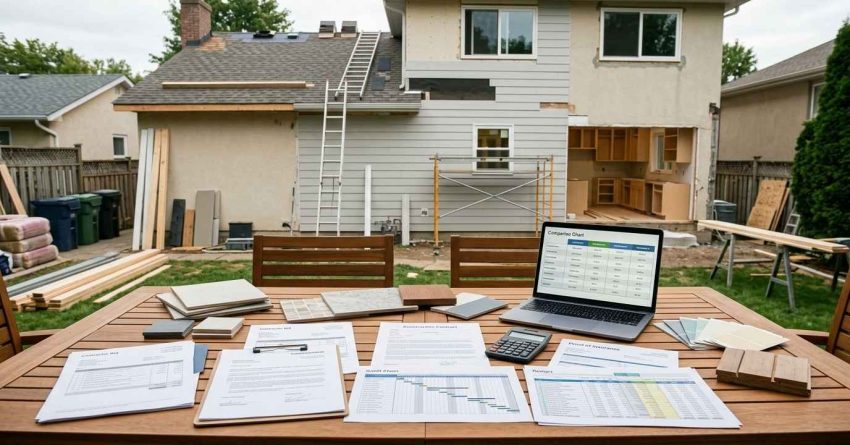
Collect at least three written estimates from separate contractors for the same scope of work. Compare line items, materials, labor, and timelines side by side. Suspiciously low bids often hide change-order traps, cheap materials, or unfinished work. Estimates far above the others may signal price gouging. The middle range usually reflects fair market value. Make sure each estimate includes brand names, model numbers, project start and completion dates, and total cost. Verbal quotes are not estimates. If a contractor refuses to put numbers in writing, remove them from your list immediately.
The verification process tells you who is qualified. The next step is choosing a reliable contractor by weighing communication, professionalism, and project fit beyond the paperwork.
Red Flags That Signal a Dishonest Contractor
Recognizing common contractor warning signs early prevents financial loss and project disasters.
Door-to-door solicitations, especially after storms, are a classic scam pattern. Cash-only demands, missing physical business addresses, and unmarked vehicles all suggest a fly-by-night operator. Be cautious of contractors who claim leftover materials from a nearby job at a discount. Watch for vague contracts, refusal to pull permits, and reluctance to provide written warranties. Trust your instincts when communication feels evasive or rushed.
Pressure Tactics and Large Upfront Deposits
High-pressure sales tactics are the strongest warning sign of all. Phrases like “today only,” “sign now or lose the discount,” or “I have a crew available right now” are designed to bypass careful thinking. Reputable contractors give you time to compare options. Never pay more than 10 to 30% of the total project cost upfront, and many states cap deposits by law. Avoid full payment before completion under any circumstance. Structured payments tied to completed milestones protect both sides and keep the contractor accountable through the final walkthrough.
Protecting Yourself With Contracts and Payments
A strong contract is your best defense against being ripped off. Use a written contract checklist covering scope of work, materials, payment schedule, start and completion dates, change-order procedures, warranty terms, and lien waivers.
Pay by credit card or check, never cash, so payments are traceable. Confirm permits are pulled in the contractor’s name, not yours. Withhold final payment until you complete a full inspection and receive signed lien releases from subcontractors and suppliers. These steps create accountability at every stage.
Conclusion
Avoiding contractor scams comes down to verification, written agreements, milestone payments, and recognizing pressure tactics before they pressure you into bad decisions.
Homeowners and property managers who follow these steps consistently protect their investment, their timeline, and their peace of mind across every home service project.
We make hiring simple at Mr. Local Services. Connect with vetted, licensed professionals today and move forward with confidence on your next project.
Frequently Asked Questions
How much should I pay a contractor upfront?
Most experts recommend 10 to 30% of the total project cost as a deposit. Some states cap deposits by law, so verify local regulations.
What should be included in a contractor contract?
Scope of work, materials, total cost, payment schedule, start and end dates, change-order terms, warranty details, and lien waiver provisions.
How do I verify a contractor’s license?
Check your state’s contractor licensing board website, confirm the license is active, and review any complaints or disciplinary records before signing.
What should I do if a contractor scams me?
File a complaint with your state licensing board, the Better Business Bureau, your attorney general, and consider small claims court for recovery.
Are unlicensed contractors ever safe to hire?
Generally no. Unlicensed contractors lack insurance protection, legal accountability, and permit authority, leaving homeowners fully liable for damages or injuries.