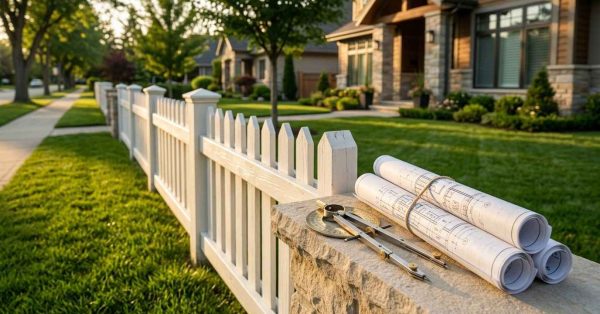
Before breaking ground on a new build in an HOA community, homeowners must receive written approval from the architectural review committee — skipping this step can result in fines, forced modifications, or mandatory demolition of non-compliant structures.
Getting that approval requires more than submitting a floor plan. HOA architectural review evaluates everything from exterior materials and roofline design to setback distances and landscaping plans. Understanding what reviewers look for — and how to prepare a complete submission — is the difference between a smooth approval and a costly delay.
This guide explains the full HOA architectural review process for new builds, covering what committees evaluate, how to submit correctly, and how to work with contractors who help you build to spec from day one.
What Is an HOA Architectural Review for New Builds?
An HOA architectural review is a formal approval process that homeowners must complete before constructing a new home or major structure within a planned community. The architectural review committee (ARC) — a board-appointed group of homeowners or appointed members — evaluates submitted plans against the community’s established design standards, which are written into the governing documents known as the CC&Rs (Covenants, Conditions, and Restrictions).
For new builds specifically, the review is comprehensive. Unlike a minor modification request — such as painting a fence or replacing a mailbox — a new construction submission requires detailed architectural drawings, site plans, material specifications, and often a contractor’s license and insurance documentation. The committee reviews all of these to confirm the proposed structure aligns with the community’s aesthetic standards, setback requirements, height restrictions, and approved material lists.
Understanding the architectural review process starts with knowing how it fits into the broader framework of HOA governance — our guide to HOA rules and regulations explains the full scope of homeowner obligations, board authority, and enforcement procedures that govern communities across the USA.
Why HOAs Require Architectural Review Before Construction Begins
HOAs require pre-construction approval to protect property values and maintain the visual consistency that makes planned communities desirable. When every home in a neighborhood meets the same design standards — similar rooflines, compatible exterior colors, consistent setback distances — the community maintains a cohesive appearance that supports long-term property values for all residents.
Without architectural review, individual homeowners could construct buildings that conflict with the community’s character, create drainage or structural issues for neighboring properties, or violate local zoning codes that the HOA is also responsible for enforcing. The review process exists to prevent these outcomes before construction begins, not after.
What the HOA Architectural Review Process Covers
The scope of an HOA architectural review for a new build is broader than most homeowners expect. Committees do not simply evaluate curb appeal — they assess structural plans, material choices, site positioning, and long-term maintenance implications. Understanding each category helps homeowners prepare submissions that address every evaluation point upfront.
Design Standards and Exterior Appearance Requirements
Exterior appearance is the most visible component of any architectural review. HOA design standards typically regulate:
- Roofing materials and pitch — specific shingle types, tile profiles, or metal roofing products may be required or prohibited
- Exterior cladding — approved siding materials such as fiber cement, brick, stucco, or wood; prohibited materials such as vinyl in some communities
- Color palettes — many HOAs maintain an approved color list for exterior paint, trim, and accent elements
- Window and door styles — frame material, glazing type, and architectural style must often match the community’s design theme
- Garage door design — panel style, material, and color are commonly regulated
- Landscaping and hardscaping — front yard plantings, driveway materials, and walkway design may fall under review
Each of these elements must be documented in the submission with product specifications, manufacturer names, and color codes where applicable. Vague descriptions — “standard gray shingles” — are a common reason submissions are returned for revision before formal review even begins.
Structural and Material Specifications Under HOA Guidelines
Beyond appearance, many HOAs regulate structural elements that affect neighboring properties and community infrastructure. Setback distances — the required space between a structure and property lines, roads, or adjacent homes — are among the most strictly enforced specifications. Height restrictions prevent new builds from blocking sightlines or sunlight access for neighboring homes.
Foundation type, drainage plans, and utility connection points may also require documentation, particularly in communities with shared infrastructure. Some HOAs require a licensed engineer’s stamp on structural drawings before the committee will accept a submission for review.
How to Submit an Architectural Review Request to Your HOA
The submission process varies by community, but most HOAs follow a structured intake procedure. Submitting an incomplete package is the single most common cause of delays — committees typically cannot begin formal review until all required documents are received.
Before preparing your submission package, it helps to understand the full range of property standards your HOA enforces — our HOA compliance guidelines resource covers every category of improvement that requires board approval, from structural additions to landscaping changes.
Documents and Plans Required for HOA Approval
A complete new build submission typically includes:
- Site plan — a scaled drawing showing the lot boundaries, proposed structure footprint, setback distances, driveway, and landscaping
- Architectural drawings — floor plans and exterior elevations showing all four sides of the structure
- Material specifications — product names, manufacturer details, colors, and finish samples for all exterior materials
- Contractor information — contractor’s license number, insurance certificate, and contact details
- Survey — a current property survey confirming lot dimensions and existing easements
- HOA application form — the community’s official request form, signed by the property owner
Some communities also require a neighbor notification letter, a construction timeline, and a deposit to cover potential damage to common areas during the build. Review your HOA’s CC&Rs and architectural guidelines document carefully before assembling your package — these documents specify exactly what is required for your community.
HOA Review Timelines and What to Expect After Submission
Most HOAs are required by their governing documents to respond to architectural review requests within a defined timeframe — commonly 30 to 60 days from the date a complete submission is received. If the committee does not respond within that window, some CC&Rs treat the silence as automatic approval, though this varies significantly by community and state law.
After submission, the committee may:
- Approve the request as submitted
- Approve with conditions — requiring specific modifications before construction begins
- Request additional information — returning the submission for clarification or missing documents
- Deny the request — with written reasons that must be provided in most jurisdictions
Tracking your submission date and following up in writing if the review window passes without a response protects your rights and creates a documented record if a dispute arises later.
Common Reasons HOAs Reject New Build Applications
Understanding why applications are rejected helps homeowners avoid the most frequent submission errors. The most common rejection reasons include:
- Non-compliant exterior materials — using products not on the HOA’s approved list, or failing to specify materials clearly enough for the committee to verify compliance
- Setback violations — proposed structures that encroach on required distances from property lines, roads, or neighboring homes
- Height limit exceedances — rooflines or accessory structures that exceed the community’s maximum height restrictions
- Incomplete documentation — missing site plans, unsigned forms, or absent contractor credentials
- Color or style conflicts — exterior colors or architectural styles that do not match the community’s design theme
- Drainage concerns — grading or impervious surface plans that could redirect water toward neighboring properties
When a new build application is rejected due to design or material conflicts, working with experienced professionals who understand HOA standards from the start can prevent costly revisions — our remodeling services team is familiar with the approval requirements that most HOAs enforce across residential communities.
How to Appeal an HOA Architectural Review Decision
If your application is denied, most HOAs provide a formal appeal process. The appeal must typically be submitted in writing within a specified timeframe — often 30 days from the denial notice. Your appeal should directly address each reason cited in the denial, providing revised plans, alternative material specifications, or supporting documentation that demonstrates compliance.
Request a hearing before the full HOA board if your community’s governing documents allow it. A face-to-face presentation gives you the opportunity to explain your design intent, propose modifications, and ask clarifying questions about the specific standards your submission must meet.
If your appeal involves modifying exterior door style or material to meet HOA design criteria, understanding your door replacement options before resubmitting can help you present a compliant revised plan that satisfies the board’s appearance standards.
For situations where your plans fall outside standard guidelines entirely, ask your HOA about the variance request process — a formal mechanism that allows homeowners to seek an exception to specific rules when unique lot conditions or other circumstances make strict compliance impractical. Our guide to HOA variance requests for new construction walks through when a variance applies and how to build a strong case.
Working With Contractors Who Understand HOA Requirements
One of the most effective ways to avoid rejection is to hire contractors who have direct experience working within HOA communities. Professionals familiar with architectural review requirements know how to prepare compliant material specifications, document their work to committee standards, and flag potential conflicts before plans are finalized — not after the committee has already reviewed them.
For smaller structural or finishing tasks that must meet HOA specifications — such as exterior trim, fencing, or outbuilding details — our handyman services professionals work within the material and design standards that architectural review committees typically require.
How Professional Home Services Support HOA Compliance
Compliance with HOA architectural standards is not just about the initial approval — it extends through the entire construction process. Committees may conduct site inspections during construction to verify that work matches the approved plans. Any deviation from the approved submission, even a minor material substitution, can trigger a stop-work notice or require a new review submission.
Custom woodwork, trim details, and structural framing elements are among the most scrutinized components in HOA architectural reviews — our carpentry services specialists build to the exact material and finish specifications that boards commonly require for new construction approval.
Window style, frame material, and glazing type are frequently regulated under HOA design guidelines, and choosing the wrong product can trigger a rejection — our team explains how our window installation standards align with the exterior appearance requirements most architectural committees enforce.
Working with a home services provider that understands HOA compliance from the planning stage through final inspection reduces the risk of mid-construction corrections, costly material replacements, and approval delays that push back your move-in timeline.
Conclusion
HOA architectural review for new builds is a structured process that protects community standards and property values — but it requires careful preparation, complete documentation, and a clear understanding of your community’s design guidelines. Knowing what committees evaluate, how to submit correctly, and how to respond to rejections or conditions puts homeowners in the strongest possible position before construction begins.
Working with professionals who understand HOA requirements from the start eliminates the guesswork and reduces the risk of costly revisions after plans are already submitted. The right team ensures every material choice, structural detail, and exterior finish meets the standards your committee enforces.
At Mr. Local Services, our professionals are experienced in HOA-compliant construction and finishing work — contact us today to connect with skilled contractors who help you build right the first time and move through the approval process with confidence.
Frequently Asked Questions
What is the purpose of an HOA architectural review for new builds?
An HOA architectural review ensures that new construction meets the community’s design standards, setback requirements, and material specifications before work begins. It protects property values and maintains the visual consistency of the neighborhood.
How long does HOA architectural review approval take?
Most HOAs are required to respond within 30 to 60 days of receiving a complete submission. If the committee does not respond within the timeframe specified in the CC&Rs, some governing documents treat the silence as automatic approval.
What happens if I build without HOA architectural approval?
Building without approval can result in fines, a stop-work order, or a requirement to modify or demolish the non-compliant structure at your own expense. Always obtain written approval before breaking ground.
Can an HOA deny a new build application?
Yes. HOAs can deny applications that do not meet their design standards, setback rules, height restrictions, or material requirements. The denial must typically be provided in writing with specific reasons cited.
What documents do I need for an HOA architectural review submission?
A complete submission typically includes a site plan, architectural drawings, material specifications, contractor credentials, a current property survey, and the HOA’s official application form. Requirements vary by community.
Can I appeal an HOA architectural review rejection?
Yes. Most HOAs provide a formal appeal process that requires a written response addressing each reason for denial. Some communities also allow a hearing before the full board where you can present a revised plan.
Do contractors need to be approved by the HOA for new construction?
Some HOAs require contractors to be registered with the community or provide proof of licensing and insurance before work begins. Check your CC&Rs and contact your HOA management company to confirm contractor requirements before hiring.