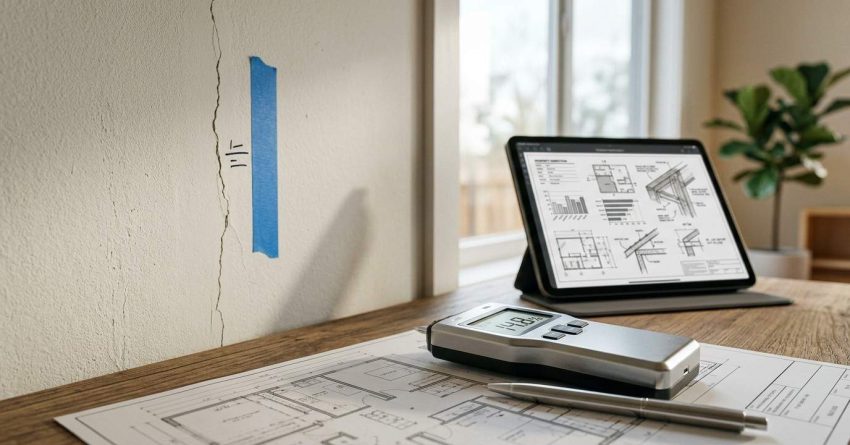
Proper defect documentation is the single most important step a homeowner can take when pursuing a builder claim — without organized evidence, even legitimate construction problems can be dismissed or delayed. Knowing exactly what to record, how to record it, and when to act gives you the strongest possible position when holding a builder accountable.
Skipping this step costs homeowners thousands of dollars in unresolved repairs and voided warranty claims every year.
This guide walks through every stage of the documentation process — from identifying defects to submitting a formal claim and protecting your rights throughout.
Why Defect Documentation Matters for Builder Claims
Builder claims depend almost entirely on evidence. A verbal complaint carries little weight against a construction company’s legal team. Organized, timestamped, and detailed documentation shifts the burden of proof in your favor and creates a clear record that is difficult to dispute.
Most new construction homes in the United States are covered by a builder warranty, which typically includes one year of coverage for workmanship defects, two years for mechanical systems, and ten years for structural defects. These timelines are strict. Missing a filing window because your documentation was incomplete can permanently close your claim.
Understanding defect documentation starts with knowing what professional new construction services cover — our new construction services outlines the full scope of builder responsibilities and what homeowners can reasonably expect at project completion.
What Counts as a Defect Under a Builder Warranty
A defect is any condition in the completed construction that deviates from the plans, specifications, or applicable building codes. This includes structural failures, water intrusion, faulty electrical work, plumbing leaks, improper grading, and cosmetic issues that fall below the builder’s stated quality standards. Not every imperfection qualifies — minor settling cracks or surface blemishes may fall outside warranty coverage depending on your contract terms.
How to Identify and Categorize Construction Defects
Before you can document a defect, you need to find it. Walk through every room of your home systematically, checking walls, ceilings, floors, windows, doors, and all mechanical systems. Look for visible cracks, water stains, uneven surfaces, gaps in framing, and anything that does not operate as intended.
Categorizing defects by type helps organize your claim and signals to the builder which trade or subcontractor is responsible. Group defects into structural, mechanical, cosmetic, and code-compliance categories. This structure also helps you prioritize — structural and code issues typically carry more urgency and stronger warranty protections than cosmetic concerns.
A licensed inspector can help you identify defects you may have missed on your own — our home inspection services explains what a professional inspection covers and how it strengthens your documentation before filing a claim.
Common Defect Types in New Construction Homes
The most frequently documented defects in new construction include foundation cracks, roof installation errors, improper window and door sealing, HVAC system failures, plumbing leaks behind walls, electrical wiring issues, and inadequate insulation. Water intrusion is consistently among the most serious categories because it causes secondary damage quickly and is often not visible until significant harm has already occurred.
Step-by-Step Process for Documenting Defects
Effective documentation follows a consistent process. Improvised or incomplete records weaken your claim and give builders grounds to dispute your findings.
Step 1 — Conduct a full walkthrough. Move through every area of the property, inside and outside, and note every issue you observe. Do not skip areas that seem minor.
Step 2 — Photograph and video every defect. Capture wide-angle shots showing location context, then close-up shots showing the defect in detail. Include a ruler or common object for scale where relevant.
Step 3 — Record the date and time of discovery. Timestamps establish when you first identified each issue, which matters for warranty filing deadlines.
Step 4 — Create a written defect log. Record each defect with a description, location, date discovered, and any related observations such as weather conditions or recent events that may be relevant.
Step 5 — Repeat the process over time. Some defects worsen or reveal themselves gradually. Regular documentation updates show the progression of damage and reinforce the severity of your claim.
For minor defects that need immediate attention while your claim is being processed, our handyman repair services covers the range of repairs available to keep your home safe and functional during the dispute period.
Using Photos and Video as Evidence
Photos and video are your most powerful documentation tools. Use a smartphone or camera with a timestamp feature enabled. Shoot in good lighting and from multiple angles. For defects inside walls, ceilings, or crawl spaces, consider hiring a professional with inspection cameras to capture evidence that is otherwise inaccessible. Label every image file with the defect type, location, and date before organizing them into a folder structure that mirrors your written log.
Creating a Written Defect Log
Your written log should function as a standalone document that tells the complete story of each defect without requiring the reader to reference photos. For each entry, include the defect description, exact location within the property, date first observed, date photographed, any changes observed over time, and any communication with the builder related to that specific issue. Keep this log in a shared cloud folder so it cannot be lost and can be accessed easily during claim submissions or legal proceedings.
How to Submit a Formal Builder Claim
Once your documentation is complete, submit your claim in writing to the builder’s warranty department. Verbal requests do not create a legal record. Send your submission by certified mail or email with read receipts so you have proof of delivery and the date the builder received your claim.
Reference your warranty agreement in the submission and cite the specific warranty provisions that apply to each defect. Attach your complete photo and video evidence, your written defect log, and any relevant inspection reports. Keep copies of everything you send.
If your documented defects include moisture intrusion or structural water issues, our water damage repair explains how professional remediation works and what evidence supports a stronger builder claim.
What to Include in Your Claim Submission
A complete claim submission includes a cover letter identifying the property address, purchase date, and warranty coverage period; a numbered list of all documented defects with descriptions and locations; timestamped photographic evidence organized by defect; your written defect log; any third-party inspection reports; and a clear statement of the remedy you are requesting — repair, replacement, or financial compensation. The more organized and specific your submission, the harder it is for a builder to dismiss or delay your claim.
When to Bring in a Professional Inspector
Some defects are not visible to the untrained eye. Hidden structural issues, concealed plumbing leaks, and code violations behind finished walls require professional assessment to identify and document properly. If you suspect a defect exists but cannot confirm it visually, a licensed home inspector or structural engineer can provide a formal report that carries significant weight in a builder claim dispute.
Hire an inspector who is independent of the builder and has no financial relationship with the construction company. Request a written report with photographs, and ask the inspector to reference applicable building codes where violations are present. This report becomes part of your claim documentation and can be used in mediation or litigation if the builder refuses to honor the warranty.
Inspectors frequently flag hidden defects behind finished surfaces — our drywall and ceiling repairs explains what professional assessment and repair of these concealed issues involves once your claim is approved.
Protecting Your Rights After Filing a Builder Claim
Filing a claim does not guarantee a resolution. Builders may delay responses, dispute your findings, or offer inadequate remedies. Knowing your rights protects you throughout this process.
Keep a communication log of every interaction with the builder after filing — dates, names, what was said, and any commitments made. If the builder fails to respond within the timeframe specified in your warranty agreement, send a formal written notice citing the missed deadline. Most state warranty laws require builders to acknowledge claims within a specific number of days and complete repairs within a defined period.
Roof-related defects are among the most commonly disputed builder claims — our roofing defect repairs outlines what professional roofing assessment and repair entails so you know exactly what to request in your claim.
If the builder denies your claim or the dispute cannot be resolved directly, most builder warranties include a mandatory mediation or arbitration clause before litigation is permitted. Consult a construction attorney if you reach this stage. Your organized documentation, written log, professional inspection reports, and communication records are the foundation of any legal action.
Conclusion
Documenting construction defects thoroughly and systematically is what separates resolved builder claims from dismissed ones. The evidence you collect, organize, and submit determines the outcome.
Acting early, staying organized, and bringing in professional support when needed gives you the strongest possible position throughout the claims process.
At Mr. Local Services, our network of skilled professionals is ready to assess, document, and repair construction defects — contact us today to get the expert support your claim requires.
Frequently Asked Questions
How soon after moving in should I start documenting defects?
Begin documenting defects as soon as you take possession of the property. Most builder warranties have strict filing windows, and early documentation protects you from missing deadlines for workmanship and mechanical system coverage.
Can I document defects myself or do I need a professional?
You can document visible defects yourself using photos, video, and a written log. However, a licensed inspector is recommended for hidden or structural defects that require professional assessment to identify and report accurately.
What happens if the builder ignores my defect claim?
If a builder fails to respond within the timeframe specified in your warranty, send a formal written notice citing the missed deadline. Most state warranty laws require timely acknowledgment and repair, and failure to comply can support legal action.
Does documenting a defect mean I have to file a lawsuit?
No. Most builder claims are resolved through the warranty process, mediation, or arbitration without litigation. Thorough documentation simply ensures you have the evidence needed at every stage, including legal proceedings if necessary.
Are cosmetic defects covered under a builder warranty?
Coverage for cosmetic defects varies by warranty agreement and state law. Many warranties cover cosmetic issues for the first year only and require them to meet a defined threshold of severity. Review your specific warranty terms to understand what qualifies.
How long should I keep my defect documentation?
Keep all defect documentation for the full duration of your warranty coverage period and at least two years beyond. For structural defects with ten-year coverage, retain records for the entire period plus additional time in case disputes arise near the end of coverage.
What is the difference between a construction defect and normal wear and tear?
A construction defect results from faulty workmanship, defective materials, or code violations present at the time of construction. Normal wear and tear refers to gradual deterioration from regular use over time. Builder warranties cover defects, not wear and tear.