Building a custom home gives you complete control over design, materials, and layout — but buying an existing home is typically faster, less complex, and easier to finance. Both paths lead to homeownership, but the costs, timelines, and long-term maintenance demands are significantly different. Understanding those differences before you commit is the most important step you can take.
This decision affects your budget, your schedule, and the ongoing upkeep your property will require for years to come.
This guide breaks down both options clearly — covering costs, timelines, maintenance realities, and the key factors that help you choose the right path.
What Does It Mean to Build a Custom Home?
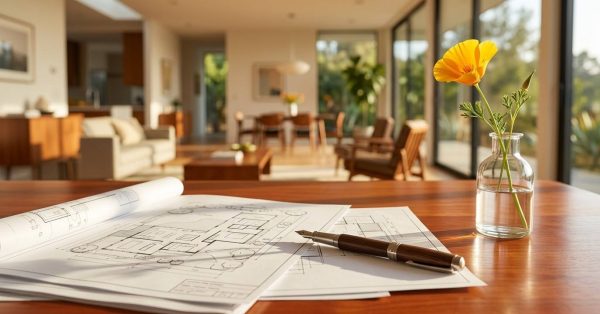
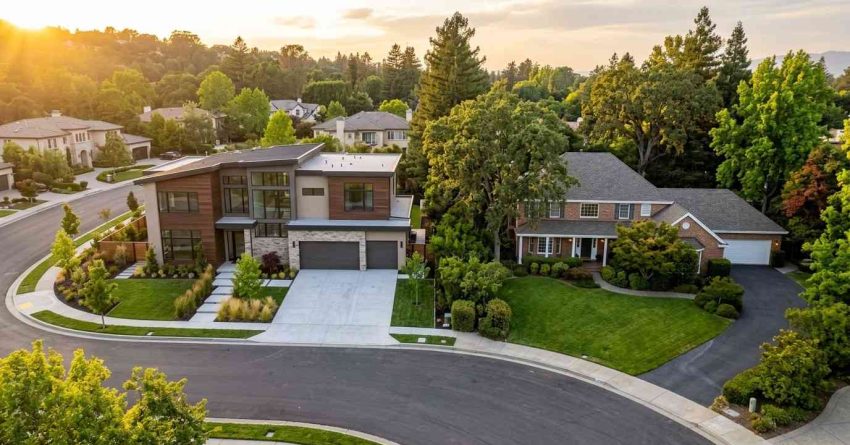
A custom home is a property designed and constructed specifically for one buyer, typically on a lot the buyer owns or purchases separately. Unlike production homes built by developers in planned communities, a custom home is built to your specifications — floor plan, room sizes, materials, finishes, and features are all chosen by you in collaboration with an architect and general contractor.
The process involves multiple phases: land acquisition, design and permitting, site preparation, foundation work, framing, mechanical rough-ins, insulation, drywall, finish work, and final inspections. Each phase requires coordination between multiple trades, and delays in one phase cascade into the next.
Building a custom home involves extensive structural and finish work — our home remodeling services covers the full scope of what professional remodeling support looks like at every stage of a project.
What You Control When Building From Scratch
When you build custom, you control the orientation of the home on the lot, the ceiling heights, the number and placement of windows, the kitchen layout, the bathroom count, the garage size, and every material selection from roofing to flooring. You also control energy efficiency decisions — insulation type, window ratings, HVAC system specifications, and solar readiness.
This level of control comes with a corresponding level of responsibility. Every decision requires your input, your approval, and often your presence at the job site. Delays caused by indecision, material backorders, or permit hold-ups are common and can add weeks or months to the project.

What Does Buying an Existing Home Actually Involve?
Buying an existing home means purchasing a property that has already been built, lived in, and maintained by previous owners. The process involves finding a property through a real estate agent or listing platform, making an offer, completing inspections, securing financing, and closing — typically within 30 to 60 days once an offer is accepted.
The primary advantage is speed. You can see exactly what you are buying before you commit. The floor plan, the neighborhood, the lot, the finishes, and the condition of the systems are all visible and inspectable. There are no unknowns created by construction delays or contractor changes.
The trade-off is that you inherit whatever decisions the previous owner made — including deferred maintenance, outdated systems, and design choices that may not match your preferences.
Hidden Costs Buyers Often Overlook
The purchase price of an existing home is rarely the total cost of ownership in year one. Buyers frequently underestimate the cost of immediate repairs, system replacements, and cosmetic updates needed to make the home livable and functional to their standards.
Common first-year expenses include roof repairs or replacement, HVAC servicing or replacement, plumbing updates, electrical panel upgrades, window replacements, and flooring refinishing or replacement. Older homes may also require remediation for issues like mold, asbestos, or outdated wiring.
Older homes frequently need immediate attention after purchase, and understanding what handyman repair work covers helps buyers budget realistically for the fixes that come up in the first year.
Cost Comparison: Custom Build vs. Existing Home Purchase
The cost of building a custom home varies significantly by location, lot cost, design complexity, and material selections. According to the U.S. Census Bureau, the average sales price of a new single-family home in the United States was approximately $511,100 in 2024 — though fully custom builds on separately purchased lots typically run higher than production new construction averages.
Existing home prices vary by market. The National Association of Realtors reported a median existing-home sales price of $407,500 in early 2025, though prices in high-demand markets significantly exceed that figure.
Custom builds allow homeowners to specify every finish detail, including cabinetry and trim — custom carpentry work is one of the most significant cost variables between a spec home and a fully personalized build.
Flooring is one of the largest line items in both new construction and renovation budgets, and understanding flooring installation costs helps homeowners compare options accurately before committing to either path.
The key cost comparison factors are:
- Land cost: Custom builds require a separate lot purchase. Existing homes include the land.
- Construction contingency: Custom builds typically require a 10–20% contingency budget for overruns.
- Financing costs: Construction loans carry higher interest rates than standard mortgages and require two closings in most cases.
- Move-in readiness: Existing homes are immediately livable. Custom builds require full construction time before occupancy.
- Immediate repair costs: Existing homes often require repairs that new builds do not.

Timeline Differences Between Building and Buying
Timeline is one of the most significant practical differences between the two paths. Buying an existing home can be completed in as little as 30 days from accepted offer to closing, though 45 to 60 days is more typical when accounting for inspections, appraisals, and financing.
Building a custom home takes considerably longer. The design and permitting phase alone typically requires three to six months. Construction time for a single-family custom home ranges from 10 to 18 months on average, depending on complexity, contractor availability, and local permitting speed. Total time from land purchase to move-in is commonly 18 to 24 months.
For buyers with a fixed move-in deadline — a school enrollment date, a lease expiration, or a job relocation — the timeline difference is often the deciding factor. Custom builds require flexibility and patience that not every buyer’s situation allows.
Maintenance Considerations After You Move In
Both custom-built and existing homes require ongoing maintenance, but the nature and timing of that maintenance differs significantly between the two.
Existing homes often present immediate maintenance needs. Systems that were functional at inspection may show wear within the first year. Roofs, HVAC units, water heaters, and plumbing fixtures all have finite lifespans, and a home that is 15 to 20 years old may be approaching replacement thresholds on multiple systems simultaneously.
Whether a home is newly built or decades old, scheduling plumbing inspection services within the first year helps identify issues before they become expensive emergencies. Both new and existing homes require consistent HVAC system maintenance to keep heating and cooling running efficiently and to protect indoor air quality year-round.
Why New Builds Still Need Professional Home Services
A common misconception is that a newly built custom home requires no professional service attention in the early years. In practice, new construction introduces its own set of maintenance needs that homeowners should address proactively.
Concrete foundations and framing lumber settle during the first year, which can cause minor cracks, door alignment issues, and nail pops in drywall. Grading around the foundation may shift, affecting drainage. Landscaping is typically minimal at move-in, leaving the property vulnerable to erosion and water intrusion.
Even newly constructed homes benefit from an independent electrical safety inspection to verify that all wiring, panels, and outlets meet current code standards before the homeowner settles in. A roofing condition check is a smart first step for any homeowner — whether the roof is brand new or was installed years before the purchase.
Which Option Fits Your Situation?
The right choice between building custom and buying existing depends on four practical factors: your timeline, your budget flexibility, your tolerance for process complexity, and your priorities for customization.
If you need to move within six months, buying existing is the only realistic option. If your budget is fixed with no contingency room, the cost overrun risk of custom construction may be prohibitive. If you have strong design preferences that no existing home in your target market satisfies, building custom may be the only path to the home you want.
For homeowners who choose an existing property and want to customize it over time, remodeling and renovation services provide a practical path to achieving the look and function of a custom build without starting from scratch.
Neither option is universally superior. Both require professional support — from the trades involved in construction to the service providers who keep the home maintained after move-in. The decision is ultimately about matching the right path to your specific situation, timeline, and long-term goals.
Conclusion
Choosing between a custom home and an existing property comes down to timeline, budget, and how much control you need over the final result. Both paths carry real costs and real trade-offs that deserve careful evaluation before you commit.
New builds offer personalization but demand time, contingency budgets, and process patience. Existing homes offer speed and certainty but often come with immediate maintenance needs and inherited design decisions.
At Mr. Local Services, we support homeowners at every stage — whether you are preparing a newly built home for move-in or bringing an existing property up to your standards. Contact us to connect with skilled professionals across every service category your property needs.
Frequently Asked Questions
Is it cheaper to build a custom home or buy an existing one?
In most U.S. markets, buying an existing home has a lower upfront cost than building custom. Custom builds require separate land purchase, construction financing, and a contingency budget that typically adds 10 to 20 percent above the base construction estimate.
How long does it take to build a custom home compared to buying?
Buying an existing home typically closes in 30 to 60 days. Building a custom home from land purchase to move-in takes 18 to 24 months on average, including design, permitting, and construction phases.
What are the biggest hidden costs when buying an existing home?
The most common hidden costs include roof repairs, HVAC replacement, plumbing updates, electrical upgrades, and flooring refinishing. Buyers should budget for at least one to three percent of the purchase price in first-year maintenance expenses.
Do new custom homes require maintenance right away?
Yes. New construction homes experience foundation settling, minor drywall cracking, and grading shifts in the first year. Independent inspections of electrical systems, roofing, and plumbing are recommended even for newly built properties.
Can I customize an existing home to match what I would have built?
Yes. Remodeling and renovation services allow buyers to update layouts, finishes, systems, and features over time. Many homeowners achieve a custom-quality result by purchasing an existing home and renovating it in phases.
What financing differences exist between building and buying?
Custom builds typically require a construction loan, which converts to a permanent mortgage at completion. This involves two closings and higher interest rates during the build phase. Existing home purchases use a standard mortgage with a single closing.
Which option holds its value better over time?
Both can appreciate well depending on location and condition. Custom homes built with quality materials in desirable areas tend to hold value strongly. Existing homes in established neighborhoods benefit from proven market demand and comparable sales data.