A custom home for a single parent is a residence intentionally designed or modified to support one-adult households — prioritizing safety, efficient use of space, low maintenance, and long-term affordability. Single parents managing a home alone face a distinct set of challenges that standard floor plans and generic home designs rarely address. This guide covers everything you need to know about designing, building, or adapting a home that genuinely works for your family.
Managing a home solo means every design decision carries more weight — from how rooms connect to how much time weekly upkeep demands.
This guide walks through floor plans, safety features, budget paths, and maintenance strategies so you can make confident, practical decisions for your household.
What Makes a Home Work for a Single Parent
A home that works for a single parent is not simply a smaller version of a family home. It is a space engineered around a specific reality: one adult responsible for childcare, household management, safety, finances, and maintenance — all at once.
The most effective custom homes for single parents share three defining qualities. First, they minimize the time and cost of upkeep without sacrificing comfort or function. Second, they create clear sightlines and safe zones that allow one adult to supervise children while completing household tasks. Third, they are built or modified with long-term affordability in mind, keeping utility costs, repair frequency, and maintenance demands manageable on a single income.
These qualities do not happen by accident. They result from deliberate choices made at the design stage — choices about layout, materials, systems, and features that compound in value over years of daily use.
Single parents exploring compact, purpose-built living arrangements will find a full overview of tiny home options that covers layouts, costs, and design considerations tailored to smaller households.
Space That Adapts to Your Life
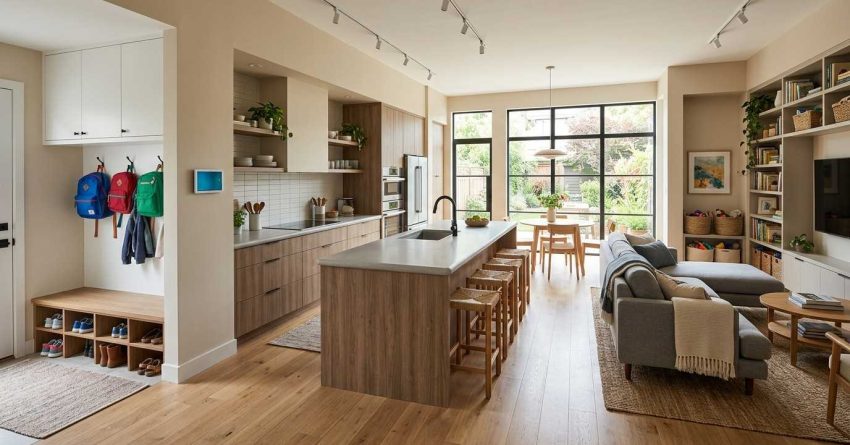
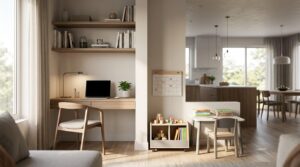
Adaptable space means rooms that serve more than one function without feeling cramped or chaotic. A dining area that doubles as a homework station, a mudroom that handles backpacks and sports gear, or a flex room that transitions from a playroom to a study as children grow — these are not luxuries. For a single parent, they are practical necessities that reduce friction in daily routines.
When designing or selecting a home, prioritize built-in storage, multi-use surfaces, and layouts that can evolve as your family’s needs change over time.
Safety and Accessibility From Day One
Safety in a single-parent home is not an afterthought — it is a structural priority. This means non-slip flooring in bathrooms and kitchens, rounded countertop edges in child-accessible areas, stair gates that integrate cleanly into the architecture, and exterior lighting that covers all entry points. Homes designed with these features from the start cost less to maintain safely than homes retrofitted later.
Smart Floor Plans for Single-Parent Households
Floor plan selection is one of the highest-impact decisions a single parent makes when building or buying a home. The wrong layout creates daily friction — blind spots where children are out of sight, rooms that isolate the primary caregiver, or configurations that make routine tasks harder than they need to be.
The right floor plan does the opposite. It keeps the household connected, reduces the physical effort of supervision, and creates private space for the adult without compromising safety or oversight.
Open Layouts That Keep Kids in Sight
Open-concept floor plans — where the kitchen, dining area, and living space share a continuous sightline — are consistently the most practical choice for single-parent households with young children. One adult can prepare meals, answer emails, or handle household tasks while maintaining visual contact with children in the adjacent space.
This design approach also reduces the number of doors, walls, and transitions that create supervision gaps. In a well-designed open layout, a single parent can manage the household from one central position for the majority of the day.
If your current layout does not support the open, functional design a single-parent household needs, our home remodeling services can reconfigure rooms, remove walls, and redesign spaces to match how your family actually lives.
Private Spaces That Restore Your Energy
Open layouts serve supervision — but single parents also need private space. A dedicated adult retreat, even a modest one, provides a boundary between parenting responsibilities and personal recovery time. This space does not need to be large. It needs to be intentional: a door that closes, a space that belongs to the adult, and a design that signals a clear transition from shared family space to personal space.
Homes that include this feature consistently report higher satisfaction among single-parent occupants because the psychological benefit of having one space that is entirely your own is significant.
Building or Buying: Which Path Fits Your Budget
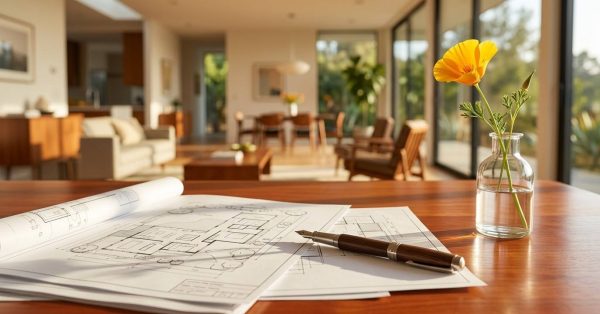
Single parents face a genuine financial decision when choosing between building a custom home from the ground up and purchasing an existing property to modify. Both paths have merit. The right choice depends on your timeline, available capital, local market conditions, and how closely you need the final result to match your specific requirements.
Building custom gives you complete control over every design decision — layout, materials, systems, and features — from the start. It eliminates the cost of undoing someone else’s choices and allows you to build in energy efficiency, safety features, and low-maintenance materials from day one. The trade-off is time and upfront cost.
Buying and modifying an existing home is typically faster and requires less initial capital. The trade-off is that you inherit the previous owner’s decisions — some of which may require significant investment to correct or adapt.
Custom Build Advantages for Single Parents
A custom build allows a single parent to specify exactly what the household needs before a single wall goes up. You can design for your children’s current ages and anticipated needs over the next decade, integrate smart home systems from the start, choose materials that minimize maintenance, and configure storage to match your actual possessions and routines.
From built-in storage to custom cabinetry that maximizes every square foot, our custom carpentry work helps single parents get the most functional value out of any home — whether newly built or recently purchased.
Buying and Modifying an Existing Home
Purchasing an existing home and modifying it strategically is a practical path for single parents who need to move quickly or are working within a tighter budget. The key is identifying which modifications deliver the highest return in daily function — open-plan conversions, safety upgrades, storage additions, and energy efficiency improvements consistently rank highest for single-parent households.
Prioritize modifications that reduce ongoing costs and maintenance demands over purely aesthetic upgrades. Every dollar spent on a low-maintenance material or an energy-efficient system pays dividends for years.
Essential Home Features Single Parents Prioritize
Certain home features deliver disproportionate value in single-parent households. These are not premium upgrades — they are practical investments that reduce the daily burden of managing a home alone and protect the long-term value of the property.
The features that consistently rank highest among single parents include durable, easy-clean flooring; energy-efficient HVAC systems; low-maintenance exterior materials; smart home controls that reduce manual tasks; and storage systems that keep shared spaces organized without constant effort.
Low-Maintenance Exterior and Landscaping
The exterior of a home is the first thing that requires attention and the last thing a time-pressed single parent has capacity to manage. Choosing low-maintenance siding materials, durable roofing, and a landscaping design that does not demand weekly intervention is a practical priority — not an aesthetic one.
Keeping outdoor spaces manageable without a second adult to share the workload is easier with professionally designed low-maintenance landscaping that reduces weekly upkeep while keeping your property looking well-kept year-round.
Routine tasks like dryer vent cleaning are easy to overlook when you are managing a household alone, but they directly affect energy efficiency and reduce the risk of household fires — making them a priority for single-parent homes.
Energy Efficiency and Utility Cost Control
Utility costs are a significant and controllable expense for single-parent households. Homes built or upgraded with proper insulation, energy-efficient windows, programmable thermostats, and high-efficiency appliances consistently deliver lower monthly operating costs — freeing budget for other priorities.
When evaluating a home or planning a build, request energy performance data and compare projected utility costs across different configurations. The upfront investment in energy efficiency typically pays back within three to seven years through reduced monthly bills.
Home Safety and Security for Single-Parent Families
Safety and security carry a different weight in a single-parent household. There is no second adult to respond to a nighttime noise, check a door that may have been left unlocked, or manage an emergency while the other parent handles the children. The home itself must compensate for this reality through design, systems, and installed features.
Effective safety planning for single-parent homes covers two distinct areas: interior safety for children and exterior security for the household as a whole.
Childproofing and Interior Safety Upgrades
Interior safety upgrades are most effective when integrated into the home’s design rather than added as afterthoughts. Outlet covers, cabinet locks, and corner guards are temporary solutions. Permanent solutions include rounded architectural edges, recessed outlets, soft-close cabinetry, non-slip surface treatments, and stair configurations that meet child safety standards without requiring add-on hardware.
For single parents managing young children or aging family members in the same home, our safety and mobility upgrades include grab bars, stair safety solutions, and childproofing installations that protect every member of the household.
Entry Security and Smart Lock Systems
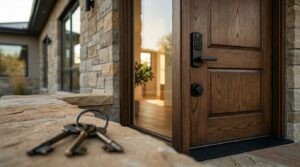
Entry security is a foundational concern for single parents. Smart lock systems allow keyless entry, remote access control, and activity monitoring — eliminating the risk of lost keys and providing real-time visibility into who enters and exits the home. Combined with exterior lighting and a monitored alarm system, these features create a security layer that functions reliably without requiring a second adult to manage.
Upgrading door locks, rekeying after a move, and installing smart access systems are all covered under our home entry security services, giving single parents reliable control over who can access their home
Maintenance Planning When You Are the Only Adult
Home maintenance does not pause because you are managing a household alone. Deferred maintenance compounds — small issues become expensive repairs, and expensive repairs strain a single income in ways that are difficult to recover from quickly.
The most effective approach for single parents is a proactive maintenance schedule that addresses routine tasks before they become urgent ones. This means seasonal HVAC checks, annual roof inspections, regular gutter cleaning, and prompt attention to any signs of water intrusion, electrical irregularities, or structural wear.
Building a Reliable Home Services Routine
A reliable home services routine is built around two principles: prevention and response time. Prevention means scheduling routine maintenance before problems develop. Response time means having a trusted service provider you can call immediately when something goes wrong — without spending hours researching options under pressure.
When repairs pile up and there is no second adult to share the load, our handyman services provide a single, reliable point of contact for everything from minor fixes to multi-task maintenance visits — saving time and reducing stress.
Catching problems like leaks and moisture buildup early is critical in a single-parent home where time and budget are limited — our water damage repair team responds quickly to prevent small issues from becoming costly structural problems.
Conclusion
A custom home for a single parent is defined by intentional design choices that reduce daily burden, support child safety, and protect long-term affordability on a single income.
Every decision — from floor plan to exterior materials to security systems — compounds over time, either adding friction to daily life or removing it.
At Mr. Local Services, we help single parents build, modify, and maintain homes that work as hard as they do — connect with our team to get started.
Frequently Asked Questions
What is the best floor plan for a single-parent home?
Open-concept layouts that connect the kitchen, dining, and living areas are the most practical choice. They allow one adult to supervise children while completing household tasks, reducing supervision gaps throughout the day.
How much does it cost to build a custom home as a single parent?
Costs vary significantly by location, size, and materials. Compact custom builds in the USA typically range from $150,000 to $400,000 depending on square footage, finishes, and site conditions. Modifying an existing home is generally less expensive upfront.
What home features save the most time for single parents?
Low-maintenance exterior materials, open floor plans, built-in storage, smart home controls, and energy-efficient systems consistently deliver the highest time and cost savings for single-parent households managing a property alone.
Is a tiny home a good option for a single parent?
Tiny homes can be an excellent option for single parents prioritizing affordability and low maintenance. They work best for smaller families and require careful planning around storage, sleeping arrangements, and shared living space.
How do I childproof a home effectively as a single parent?
The most effective childproofing combines permanent architectural features — rounded edges, non-slip surfaces, recessed outlets — with installed safety hardware like cabinet locks and stair gates. Professional safety assessments identify risks that are easy to overlook.
What security features matter most in a single-parent home?
Smart lock systems, exterior lighting, monitored alarm systems, and reinforced entry doors are the highest-priority security features. Smart locks in particular provide keyless access, remote monitoring, and activity logs that give single parents reliable control without a second adult present.
How do single parents manage home maintenance on a tight budget?
Preventive maintenance is the most cost-effective strategy. Scheduling routine inspections and addressing small issues promptly prevents expensive emergency repairs. Working with a single trusted home services provider reduces coordination time and often lowers per-visit costs.