When the kids move out, the home that once fit a full family often stops fitting the life you actually want to live. A custom home for empty nesters is a purpose-built or thoughtfully remodeled property designed around two priorities: simplicity and comfort. It trades unused square footage for smarter layouts, lower maintenance demands, and features that support an active, independent lifestyle for decades to come. Whether you are starting from scratch or transforming your existing home, the right combination of design choices and professional services makes the difference between a house that works against you and one that works for you.
This shift in lifestyle is one of the most significant housing decisions a homeowner will face, and getting it right requires a clear plan.
This guide covers what a custom empty nester home looks like, the features that matter most, the services that bring it to life, and how to keep it running well long after the project is complete.
What Is a Custom Home for Empty Nesters?
A custom home for empty nesters is a residence specifically designed or reconfigured to match the needs, preferences, and long-term goals of homeowners whose children have left the household. It is not simply a smaller home. It is a smarter one — built around how two people (or one) actually live, rather than how a family of four or five once did.
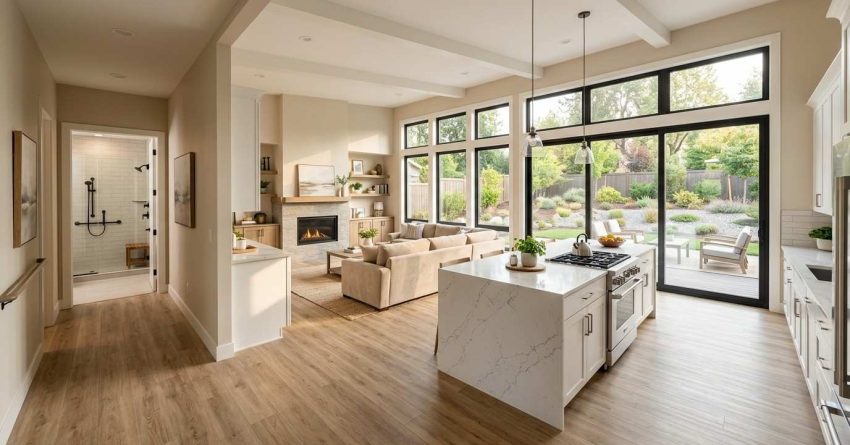
The defining characteristics of a well-planned empty nester home include single-level accessibility, reduced square footage without reduced quality, low-maintenance materials, and spaces that serve real daily purposes rather than occasional ones. Guest rooms replace children’s bedrooms. Open-plan living areas replace compartmentalized family zones. Outdoor spaces become destinations rather than afterthoughts.
Understanding what a custom empty nester home involves starts with knowing the full scope of available home remodeling services, which cover everything from structural changes to interior upgrades that reshape how a property functions for its next stage of life.

How It Differs from a Standard Home Remodel
A standard remodel updates a home’s appearance or fixes specific problems. A custom empty nester home project goes further — it rethinks the entire relationship between the homeowner and the space. Priorities shift from storage capacity and child-safe design to accessibility, energy efficiency, and ease of upkeep. The scope is intentional and forward-looking, often incorporating aging-in-place features alongside aesthetic upgrades to ensure the home remains functional and comfortable for 20 or 30 years without requiring another major overhaul.
Key Features Empty Nesters Prioritize in a Custom Home
The features that matter most to empty nesters are not the same ones that drove decisions when the house was full. The focus moves from capacity to quality, from durability under heavy use to elegance under light use, and from child-centered design to owner-centered design.
Single-Level Living and Accessibility Design
Stairs become a liability rather than a feature as homeowners age. Single-level floor plans eliminate that risk entirely, and when a full single-level layout is not possible, strategic accessibility upgrades — wider doorways, step-free entrances, and accessible bathrooms — extend the usability of a multi-level home significantly. These decisions are not just about current comfort. They are about avoiding a forced move or a costly retrofit five or ten years down the road.
Right-Sizing Without Sacrificing Comfort
Right-sizing means reducing the home’s functional footprint to match actual daily use — not shrinking it to the point of discomfort. A well-right-sized empty nester home typically retains one or two guest spaces, a comfortable primary suite, a functional kitchen, and meaningful living areas. What it eliminates are the rooms that exist only to be cleaned, heated, and maintained without ever being used. The result is a home that costs less to run and feels more intentional in every room.
Low-Maintenance Materials and Finishes
Empty nesters consistently prioritize materials that look good without demanding constant attention. Luxury vinyl plank flooring, fiber cement siding, composite decking, and quartz countertops are popular choices because they resist wear, require minimal upkeep, and hold their appearance over time. Choosing the right materials at the outset prevents the cycle of repainting, resealing, and replacing that older, high-maintenance finishes create.
Essential Services That Bring a Custom Empty Nester Home to Life
Turning a vision into a finished, functional home requires a coordinated set of professional services. Each trade plays a specific role, and the quality of the outcome depends on how well those services are planned and sequenced.
Remodeling and Structural Changes
Most empty nester home projects begin with structural decisions — removing walls to open up living spaces, converting bedrooms into home offices or hobby rooms, or reconfiguring bathrooms to accommodate accessibility features. When walls need to come down, rooms need to be repurposed, or layouts need to open up, professional remodeling services provide the structural expertise and project management needed to transform a family-sized home into a right-sized, comfortable retreat.
Flooring, Drywall, and Interior Finishes
Interior finishes define how a home feels once the structural work is done. Choosing the right surfaces is one of the most impactful decisions in any custom home project, and exploring flooring installation options helps empty nesters select durable, low-maintenance materials that look great and hold up to daily life. After structural changes are complete, smooth, properly finished walls and ceilings are essential to the final look, and skilled drywall and ceiling work ensures every surface is ready for paint, texture, or trim without visible seams or imperfections.
Electrical, Plumbing, and HVAC Upgrades
Systems upgrades are often the least visible but most impactful investments in a custom home project. Modernizing a home for long-term comfort often means updating the systems behind the walls, and comprehensive electrical upgrades address everything from panel capacity and outlet placement to lighting design and smart home integration. Aging pipes, inefficient fixtures, and outdated layouts can all be addressed through professional plumbing system updates, which help empty nesters improve water efficiency, prevent future leaks, and adapt bathrooms and kitchens to new daily routines. Comfort in a right-sized home depends heavily on efficient climate control, and a professional HVAC system replacement or upgrade ensures the heating and cooling load matches the home’s new footprint and the homeowner’s long-term energy goals.
Safety, Mobility, and Accessibility Installations
Planning ahead for aging-in-place needs is one of the smartest investments an empty nester can make, and dedicated safety and mobility upgrades — including grab bars, stair lifts, walk-in showers, and wider doorways — make a home safer and more functional for decades to come. These installations are most cost-effective when incorporated during a broader remodel rather than added reactively after a fall or mobility change.
Outdoor Spaces and Curb Appeal for the Next Chapter
Outdoor living takes on new importance when the schedule opens up. Empty nesters often find themselves spending more time in the yard, on the patio, or entertaining outdoors than they did during the busiest years of raising a family. Investing in outdoor spaces is not an indulgence — it is an extension of the home’s livable square footage.
Deck Building and Outdoor Living Areas
Outdoor living becomes a priority for many empty nesters who finally have time to enjoy their property, and professional deck building services create custom spaces for entertaining, relaxing, and connecting with the outdoors right outside the back door. A well-designed deck adds functional square footage, increases property value, and becomes one of the most-used spaces in the home within the first season of completion.
Landscaping and Low-Maintenance Yard Design
A well-designed yard adds lasting curb appeal and daily enjoyment without demanding constant upkeep, and professional landscape design services help empty nesters create outdoor environments that are beautiful, functional, and easy to maintain year-round. Native plantings, automated irrigation, and hardscaping elements like stone paths and raised beds reduce the time and effort required to keep the yard looking its best through every season.
Ongoing Maintenance After Your Custom Home Is Complete
A custom home is an investment that requires consistent care to hold its value and continue performing well. The good news for empty nesters is that a right-sized, well-built home is significantly easier and less expensive to maintain than a large family home — especially when the right service relationships are in place from the start.
Routine Upkeep Services to Budget For
Many of the routine tasks that keep a custom home in top condition — from minor repairs and fixture replacements to seasonal checks — are handled efficiently through handyman maintenance services that save time and prevent small issues from becoming costly problems. Keeping a right-sized home consistently clean and well-presented is easier with scheduled home cleaning services that handle everything from deep cleans to regular maintenance visits, freeing up time for the activities empty nesters actually want to enjoy. One often-overlooked maintenance task is annual dryer vent cleaning, which reduces fire risk, improves appliance efficiency, and extends the life of the dryer — a simple service with significant safety and cost benefits.
When to Call a Professional vs. DIY
The general rule for empty nesters maintaining a custom home is straightforward: anything that affects structure, systems, or safety belongs in professional hands. Drafty or outdated windows are a common issue in older homes being customized for empty nesters, and professional window replacement services improve energy efficiency, natural light, and curb appeal in ways that DIY solutions rarely match. Replacing interior and exterior doors is another upgrade that benefits from professional precision, and door installation services ensure proper fit, weatherproofing, and hardware alignment that holds up over years of daily use. Surface-level tasks like touch-up painting, caulking, and minor fixture swaps are reasonable DIY projects — but anything involving wiring, plumbing, roofing, or load-bearing elements should always be handled by a licensed professional.
Choosing the right professionals for each phase of a custom home project is just as important as choosing the right design. The quality of the outcome depends entirely on the quality of the people doing the work.
How to Choose the Right Home Service Provider for Your Project
The most reliable home service providers share a few consistent qualities: clear communication, transparent pricing, verifiable credentials, and a track record of completed projects in your area. Before committing to any major custom home project, a professional roofing inspection services assessment confirms the roof is in sound condition — protecting the investment made in every interior and exterior upgrade that follows. Always request written estimates, verify licensing and insurance, and ask for references from projects similar in scope to yours.
A fresh coat of paint is often the finishing touch that ties every upgrade together, and professional interior painting services deliver clean, consistent results across walls, trim, and ceilings that transform the feel of every room. When evaluating providers, look for companies that offer multiple service categories under one roof — coordinating fewer contractors reduces scheduling complexity, communication gaps, and the risk of one trade’s work conflicting with another’s.
Mr. Local Services connects empty nesters with skilled, vetted professionals across every service category covered in this guide — from structural remodeling and systems upgrades to outdoor living and ongoing maintenance — so every phase of your custom home project is handled by someone you can trust.
Conclusion
A custom home for empty nesters brings together smart design, the right professional services, and a long-term maintenance plan to create a property that fits this stage of life perfectly. Every decision — from layout and materials to systems and outdoor spaces — contributes to a home that is easier to live in, less expensive to maintain, and more enjoyable every day.
The next chapter deserves a home built around how you actually live now, not how you lived a decade ago. Getting there is a matter of knowing which services to prioritize and which professionals to trust.
Mr. Local Services is ready to help you plan, build, and maintain the custom empty nester home you have been working toward — reach out today to connect with experienced professionals across every service category you need.
Frequently Asked Questions
What makes a home a “custom home for empty nesters”?
A custom home for empty nesters is a property specifically designed or remodeled to match the lifestyle of homeowners whose children have left the household. It prioritizes single-level living, low-maintenance materials, right-sized spaces, and accessibility features that support comfortable, independent living for decades.
How much does it cost to remodel a home for empty nesters?
Costs vary widely depending on the scope of the project, the size of the home, and the services involved. A targeted remodel focusing on one or two areas — such as a bathroom accessibility upgrade and flooring replacement — may cost $15,000 to $40,000, while a comprehensive whole-home transformation can range from $80,000 to $200,000 or more.
What is the difference between right-sizing and downsizing?
Downsizing typically means moving to a smaller home. Right-sizing means reconfiguring or rebuilding your existing home — or selecting a new one — so that every square foot serves a real purpose. Right-sizing keeps comfort and quality intact while eliminating unused or inefficient space.
What accessibility features should empty nesters prioritize?
The most impactful accessibility features include step-free entrances, wider doorways (at least 36 inches), walk-in or roll-in showers, grab bars in bathrooms, lever-style door handles, and single-level floor plans. These features support aging in place and reduce the risk of injury without making the home feel clinical or institutional.
How long does a custom empty nester home project typically take?
A focused remodel targeting two or three areas of the home typically takes four to twelve weeks. A comprehensive whole-home renovation or new custom build can take six months to over a year, depending on permitting timelines, contractor availability, and the complexity of the work involved.
Should empty nesters build new or remodel their existing home?
The right choice depends on the condition of the existing home, the cost of remodeling versus building, and the homeowner’s attachment to the property and neighborhood. Remodeling is often more cost-effective when the home’s structure and systems are in good condition. Building new makes more sense when the existing home requires extensive work or does not lend itself to the desired layout.
What ongoing maintenance services do empty nesters need most?
The most important ongoing services for empty nesters include annual HVAC servicing, regular gutter cleaning, periodic roof inspections, dryer vent cleaning, handyman visits for minor repairs, and scheduled professional cleaning. These services protect the home’s value, prevent costly emergency repairs, and keep the property safe and comfortable year-round.