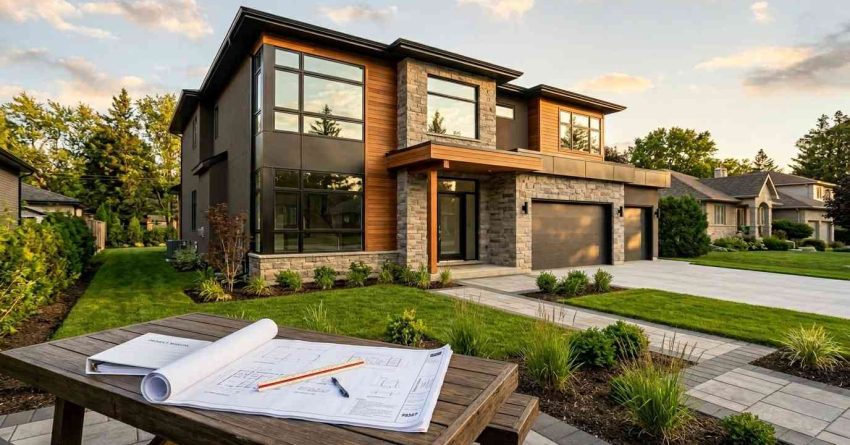
A custom home build gives real estate investors complete control over design, layout, and material quality — producing a property built specifically to generate rental income, attract long-term tenants, and hold its value over time. Unlike purchasing an existing property, building from the ground up means every decision, from floor plan to fixture selection, is made with investment performance in mind. This guide covers every phase of the custom build process and the professional services that support it.
Investors who build custom homes avoid the hidden repair costs and layout compromises that come with buying existing properties, making new construction a strategic long-term play.
This guide walks through the full build process, the essential services involved at each stage, and how to manage providers effectively to protect your investment.
Why Real Estate Investors Choose Custom Home Builds
Building a custom home rather than purchasing an existing property gives investors a level of control that directly affects both short-term rental performance and long-term asset value. Every structural decision, from foundation depth to room configuration, can be made with the target tenant in mind.
Control Over Design and Layout
Custom builds allow investors to design floor plans that maximize rentable square footage, minimize wasted space, and accommodate the specific needs of their target rental market. A single-family rental in a family-oriented neighborhood can be designed with additional bedrooms and storage. A property targeting young professionals can prioritize open-plan living and energy-efficient systems. These decisions are made once, at the design stage, rather than retrofitted at significant cost later.
Long-Term ROI vs. Buying Existing Properties
New construction carries a higher upfront cost than purchasing an existing home, but it eliminates the deferred maintenance, outdated systems, and code compliance issues that frequently reduce returns on older properties. A custom-built rental starts with new mechanical systems, a full builder’s warranty, and materials selected for durability rather than aesthetics alone. Understanding the full scope of a custom build starts with knowing which home services for investors deliver the most value at each stage of the project — our parent guide covers every service category available to property owners and managers.
Key Phases of a Custom Home Build for Investors
A custom home build follows a defined sequence of phases, and delays in any one phase cascade through the entire project timeline. Investors who understand this sequence can set realistic expectations, manage contractor schedules, and avoid the cost overruns that come from poor phase coordination.
Land Acquisition and Site Preparation
Before construction begins, the site must be evaluated for soil conditions, drainage, utility access, and zoning compliance. Site preparation includes clearing vegetation, grading the land to manage water runoff, and establishing access for construction equipment. Tree removal is often required before grading can begin, and working with qualified arborists protects adjacent structures and avoids liability — our tree removal and clearing explains what site clearing involves and when a certified arborist is required.
Design, Permits, and Pre-Construction Planning
The design phase produces architectural drawings, structural engineering plans, and the permit applications required before any ground is broken. Permit timelines vary significantly by municipality, and investors should build permit review periods into their project schedules rather than treating them as fixed dates. Delays at this stage are common and expensive if the construction team is already mobilized.
Construction Timeline and Milestone Management
A typical custom home build in the US moves through foundation, framing, mechanical rough-in, exterior finishing, interior finishing, and final inspection in sequence. Each phase must be inspected and approved before the next begins. When pre-construction planning transitions into active construction, the remodeling services guide explains what each phase includes and how to coordinate them efficiently across multiple trade contractors.
Essential Services That Support a Custom Build Project
A custom home build draws on a wide range of professional services, each with a defined role in the construction sequence. Understanding what each service covers and when it is needed helps investors manage timelines and avoid scheduling conflicts between trades.
Structural and Framing Services
Framing is the skeleton of the structure — it defines room dimensions, ceiling heights, window and door openings, and load-bearing wall placement. Framing quality directly affects everything that follows, from drywall installation to window fit. Errors at the framing stage are expensive to correct once mechanical systems are in place.
Plumbing, Electrical, and HVAC Rough-In
Rough-in work for plumbing, electrical, and HVAC systems happens after framing is complete and before walls are closed. These three trades must be coordinated carefully because their systems share wall cavities, ceiling spaces, and floor penetrations. Rough-in plumbing is one of the most critical early-stage tasks in any custom build, and understanding what it involves helps investors set realistic timelines — our plumbing services overview walks through every stage from supply line installation to drain and waste system setup.
Alongside plumbing, electrical rough-in work must be completed before walls are closed, making it one of the most schedule-sensitive phases of a custom build — our electrical services explained covers panel installation, wiring, and code compliance requirements. Duct layout and HVAC system installation happen in parallel with plumbing and electrical rough-in, and getting this sequencing right prevents costly rework — our HVAC installation guide covers system sizing, duct design, and what investors should confirm before drywall goes up.
Roofing, Windows, and Exterior Finishing
Once framing is complete, roofing is the first exterior system that protects everything below it, making material selection and installation quality critical investment decisions — our roofing services for investors covers material options, cost factors, and what to inspect before sign-off. Windows affect energy efficiency, rental appeal, and long-term maintenance costs, making them one of the most consequential finish selections in a custom build — our window installation options explains frame types, glazing choices, and installation standards for investment properties.

Interior Finishing Services That Drive Rental Value
Interior finishing is where a custom build transitions from a construction site to a rentable property. The materials and workmanship selected at this stage determine how the property performs over its first rental cycle and how much maintenance it requires between tenants.
Flooring, Drywall, and Painting
After mechanical systems are inspected and approved, drywall installation closes the walls and sets the stage for every interior finish that follows — our drywall and ceiling work covers board types, finishing levels, and what investors should specify for rental-grade durability. Flooring selection directly affects durability, tenant satisfaction, and turnover costs, which makes it one of the highest-impact interior decisions for any investor — our flooring for rental properties compares material types, installation methods, and long-term maintenance requirements.
Paint is the final interior finish that ties every surface together, and color and product selection have a measurable effect on rental appeal and maintenance frequency — our interior painting services explains paint grades, application methods, and what to specify for high-traffic rental interiors.
Carpentry, Door, and Window Installation
Custom trim, built-ins, and finish carpentry are the details that distinguish a well-built investment property from a generic rental — our carpentry and trim work covers what finish carpentry includes, typical scope for new builds, and how it affects perceived property value. Interior and exterior door installation is one of the final framing-adjacent tasks in a custom build, and door quality directly affects security, energy performance, and tenant experience — our door installation guide covers door types, hardware selection, and installation standards for investment properties.
Appliance and Fixture Setup
Appliance selection and installation is one of the last steps before a custom-built rental is ready for occupancy, and getting it right reduces early service calls and tenant complaints — our appliance setup and installation covers what is included, brand considerations, and what landlords should confirm before handover.
Outdoor and Site Services for Investment Properties
The exterior of a custom-built rental property is as important as the interior. Curb appeal affects tenant attraction, and outdoor maintenance requirements affect long-term operating costs.
Landscape, Deck, and Tree Services
Curb appeal is one of the first things prospective tenants evaluate, and professional landscaping at the completion of a custom build sets the property’s first impression — our landscape services for investors covers grading, planting, irrigation, and what to prioritize for low-maintenance rental properties. Outdoor living space adds measurable rental value in most US markets, and a well-designed deck built during the original construction phase is significantly more cost-effective than adding one later — our deck building options covers materials, sizing, permit requirements, and what investors should specify.
Site preparation for a custom build often requires tree removal or clearing before grading can begin — our tree removal and clearing explains what site clearing involves and when a certified arborist is required.
Power Washing and Exterior Maintenance
Once construction is complete, power washing removes construction debris, concrete splatter, and surface staining from driveways, siding, and hardscaping before the property goes to market — our exterior cleaning services covers what pressure washing includes and when it is needed at the end of a build.
Safety, Compliance, and Long-Term Maintenance Planning
A custom-built investment property must meet all applicable building codes and safety standards before it can be occupied. Planning for ongoing maintenance from the start reduces operating costs and protects the asset over time.
Safety and Mobility Upgrades
Building safety and accessibility features into a custom home from the start is far more cost-effective than retrofitting them later, and it broadens the property’s appeal to a wider tenant pool — our safety and mobility upgrades covers grab bars, ramp installation, lighting, and ADA-aligned features for residential properties.
Pest control is another safety and compliance consideration that investors should address before a property is occupied. Scheduling a pre-occupancy pest inspection and treatment as part of the build completion checklist prevents infestations that are far more expensive to remediate after tenants move in — our pest control services for rental properties explains what a pre-occupancy treatment includes and how to set up an ongoing prevention schedule. Ongoing Maintenance Services for Landlords
Once a custom-built property is occupied, ongoing maintenance is what protects the investment and keeps tenants satisfied — our handyman maintenance services covers the recurring tasks landlords should schedule and what a reliable handyman service handles between major repairs. Dryer vent maintenance is one of the most overlooked safety requirements in rental properties, and building a cleaning schedule into the property management plan from day one reduces fire risk and appliance wear — our dryer vent cleaning explains how often cleaning is needed and what the service includes.
Water damage is one of the most costly risks for any rental property owner, and having a restoration provider identified before an incident occurs reduces response time and limits structural damage — our water damage restoration for investment properties covers what restoration includes, how to document damage for insurance, and what landlords should do immediately after a water event.

How to Choose the Right Service Providers for Your Build
Managing a custom home build means coordinating multiple contractors across a compressed timeline. The quality of each provider directly affects the quality of the finished property and the cost of maintaining it over time.
Investors should verify licensing, insurance, and references for every trade contractor before work begins. A provider who is qualified for residential work may not have experience with investment-grade specifications, and the difference matters when durability and low maintenance are the primary goals.
Before a custom-built property is handed over to its first tenant, rekeying all locks and installing a master key system is a standard security step that every landlord should complete — our locksmith services for landlords covers what rekeying includes, smart lock options, and when to call a licensed locksmith. A professional deep clean is the final step before a new tenant takes occupancy, and scheduling it as part of the build completion checklist ensures the property is presented at its best — our move-in cleaning services covers what a construction clean-out and move-in clean includes for newly built properties.
Conclusion
A custom home build gives real estate investors a purpose-built asset — one where every structural, mechanical, and finish decision is made to support rental performance and long-term property value.
Managing the process well means understanding each construction phase, coordinating the right service providers at the right time, and planning for ongoing maintenance before the first tenant moves in.
At Mr. Local Services, we connect investors with skilled professionals across every service category a custom build requires — from site preparation through move-in ready finishing — so your property is built right and maintained well from day one.
Frequently Asked Questions
How long does a custom home build take for a real estate investor?
A custom home build in the US typically takes 10 to 18 months from permit approval to certificate of occupancy, depending on project size, local permit timelines, and contractor availability. Investors should add 2 to 3 months for pre-construction planning and permitting before the build clock starts.
Is a custom home build more cost-effective than buying an existing investment property?
Custom builds carry higher upfront costs but eliminate deferred maintenance, outdated systems, and code compliance issues common in older properties. Over a 10-year hold period, a new construction rental often produces lower operating costs and fewer capital expenditure surprises than a comparable existing property.
What services are needed immediately after a custom home build is complete?
Before a custom-built rental is occupied, investors should complete a professional deep clean, rekey all locks, schedule a pest inspection, and confirm all appliances are installed and functioning. Power washing exterior surfaces and a final landscape cleanup are also standard pre-occupancy steps.
How do I manage multiple contractors during a custom home build?
Establish a clear construction schedule with defined phase milestones and inspection hold points before any contractor begins work. Require all contractors to carry current licensing and liability insurance, and designate a single point of contact — either a general contractor or project manager — to coordinate scheduling between trades.
What interior finishes hold up best in rental properties?
Luxury vinyl plank flooring, semi-gloss or satin paint finishes, and solid-core interior doors consistently outperform lower-grade alternatives in rental environments. These materials resist wear, clean easily between tenants, and reduce the frequency and cost of turnover repairs.
Do I need a general contractor for a custom home build?
Most investors benefit from hiring a licensed general contractor who manages subcontractors, coordinates inspections, and holds the primary construction contract. Self-managing a custom build is possible but requires significant time, trade knowledge, and local contractor relationships that most investors do not have at the start of their first build.
What ongoing maintenance services should I plan for after a custom build?
Landlords should schedule annual HVAC servicing, dryer vent cleaning, gutter cleaning, pest inspections, and exterior power washing as recurring maintenance tasks. Establishing a relationship with a reliable handyman service before the property is occupied ensures routine repairs are handled quickly and professionally throughout the tenancy.