
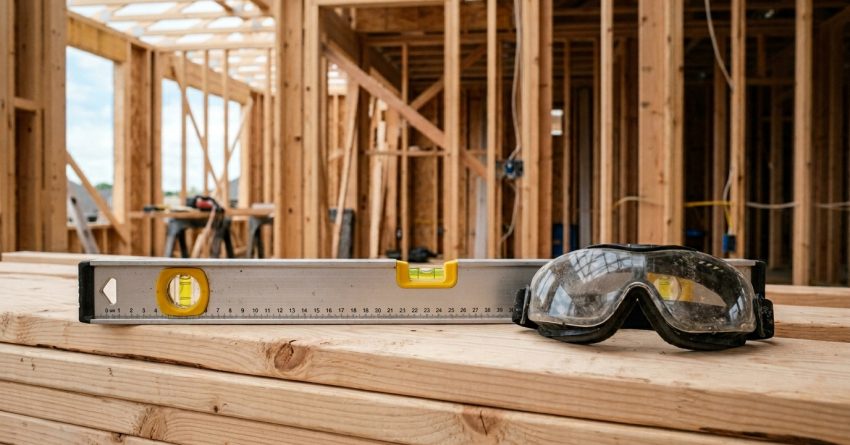
Course of construction insurance protects a property and its materials while a home is being built, renovated, or significantly remodeled — before a standard homeowners policy can take effect. Most homeowners and landlords don’t realize their existing coverage stops at the moment major construction begins, leaving hundreds of thousands of dollars in materials and structural work completely exposed.
This gap in coverage creates serious financial risk for anyone managing a new build or large-scale renovation project.
This guide explains what course of construction insurance covers, who needs it, what it costs, and how to choose the right policy for your project.
What Is Course of Construction Insurance?
Course of construction insurance — also called builders risk insurance in some contexts — is a temporary property insurance policy that covers a structure and its building materials during an active construction or renovation project. It activates from the moment construction begins and remains in force until the project is complete and a permanent homeowners or commercial property policy takes over.
Standard homeowners insurance is designed to protect a finished, occupied home. It does not cover a structure that is under active construction, partially built, or undergoing major structural changes. Course of construction insurance fills that gap, ensuring that the investment in materials, labor, and the structure itself is protected from the first day of work.
The policy typically covers the building under construction, materials stored on-site or in transit, and temporary structures like scaffolding or fencing. It is a time-limited policy, usually written for 3, 6, or 12 months, with the option to extend if the project runs longer than expected.
Understanding how this coverage fits within the broader landscape of property protection is essential for any homeowner or landlord planning a significant project — our home insurance basics guide covers the full range of coverage types needed to protect properties at every stage of ownership and development.
How It Differs from Standard Homeowners Insurance
Standard homeowners insurance covers a completed, occupied structure against named perils like fire, theft, and weather damage. It assumes the home is livable and that normal household risks apply.
Course of construction insurance covers a structure in progress. It accounts for risks specific to active construction: materials left on-site overnight, open framing exposed to weather, and the absence of functioning security systems. These are risks a standard homeowners policy explicitly excludes, which is why a separate policy is required for any project that involves significant structural work.
What Does Course of Construction Insurance Cover?
Course of construction insurance covers the physical structure being built or renovated, along with the materials and equipment directly associated with the project. Coverage applies from the time materials arrive on-site through project completion.
Covered Perils and Property Types
Most course of construction policies cover the following perils:
- Fire and smoke damage
- Wind, hail, and lightning
- Theft of building materials on-site
- Vandalism
- Explosion
- Collapse during construction
- Water damage from rain or storm intrusion
Covered property typically includes the structure itself, materials stored on the construction site, materials in transit to the site, and temporary structures erected to support the build.
Construction sites are especially vulnerable to water intrusion and storm-related flooding, and understanding how water damage restoration works can help homeowners plan for the recovery process if a covered loss occurs during a build.
What Is Typically Excluded
Course of construction insurance does not cover everything. Common exclusions include:
- Earthquake and flood damage (these require separate policies)
- Employee theft or contractor fraud
- Mechanical breakdown of construction equipment
- Normal wear and faulty workmanship
- Design errors or planning mistakes
- Tools and equipment owned by contractors (covered under contractor’s own policy)
Reviewing exclusions carefully before purchasing a policy is critical. A project that involves significant grading or excavation in a flood-prone area, for example, may require a separate flood policy to be fully protected.
Who Needs Course of Construction Insurance?
Anyone who has a financial interest in a property under construction or major renovation needs course of construction insurance. This includes homeowners building a new home, landlords adding a rental unit, property managers overseeing large-scale renovations, and real estate investors developing new construction.
Homeowners, Contractors, and Lenders
Three parties typically have an insurable interest in a construction project:
Homeowners and property owners need coverage to protect their investment in materials and the structure itself. If a fire destroys a partially built home, the homeowner bears the financial loss without this policy.
General contractors may carry their own builders risk policy on projects they manage, but this is not universal. Homeowners should always confirm who holds the policy and what it covers before construction begins.
Mortgage lenders and construction loan lenders almost always require proof of course of construction insurance before releasing funds. Lenders have a financial stake in the completed property and will not fund a project that lacks adequate coverage.
New construction and major renovation projects almost always involve significant roofing work, and connecting with qualified roofing installation services early in the project helps ensure the structure is protected before the build is complete.
How Much Does Course of Construction Insurance Cost?
Course of construction insurance typically costs between 1% and 4% of the total construction budget annually. For a $300,000 home build, that translates to roughly $3,000 to $12,000 per year, though most projects are covered for 6 to 12 months rather than a full year.
Factors That Affect Your Premium
Several variables influence the final cost of a course of construction policy:
Total project value: The higher the construction budget, the higher the coverage limit required and the higher the premium.
Project type: New construction typically costs more to insure than a renovation because the entire structure is exposed during the build.
Location: Properties in areas prone to severe weather, high crime, or wildfire carry higher premiums.
Construction materials: Wood-frame construction is considered higher risk than steel or concrete and is priced accordingly.
Project duration: Longer projects carry more exposure time and cost more to insure.
Deductible amount: Choosing a higher deductible lowers the premium but increases out-of-pocket costs in the event of a claim.
The total value of materials and labor involved in a project directly affects your premium — understanding typical home remodeling costs gives homeowners a clearer picture of the coverage amount they need to carry throughout construction.
How to Get Course of Construction Insurance
Course of construction insurance is available through most major commercial property insurers, specialty construction insurance providers, and independent insurance brokers. The process involves providing details about the project, the construction timeline, the total budget, and the parties involved.
Steps to obtain coverage:
- Gather project details: total budget, construction timeline, property address, and contractor information.
- Determine who will hold the policy — the homeowner, the general contractor, or both.
- Request quotes from at least three insurers or work with an independent broker who specializes in construction coverage.
- Review each policy’s covered perils, exclusions, coverage limits, and deductible options.
- Confirm that the policy start date aligns with the first day of construction activity.
- Notify your lender and provide proof of coverage before construction begins.
What to Look for in a Policy
When comparing policies, prioritize coverage for the full replacement value of materials and the structure. Confirm that materials in transit are covered, not just materials already on-site. Check whether the policy automatically extends if the project is delayed, or whether an extension requires a separate endorsement and additional premium.
Before purchasing a policy, reviewing a comprehensive property protection guide helps homeowners understand how course of construction coverage fits alongside their existing insurance and long-term property management strategy.
How Long Does Coverage Last?
Course of construction insurance is a temporary policy. Coverage begins on the first day of construction and ends when the project reaches substantial completion — meaning the structure is livable or usable for its intended purpose, even if minor finishing work remains.
Most policies are written for 3, 6, or 12 months. If a project runs over schedule, the policyholder must request an extension before the original policy expires. Failing to extend coverage leaves the project uninsured during the delay period, which is one of the most common and costly mistakes homeowners make during construction.
Once construction is complete, the course of construction policy is replaced by a standard homeowners insurance policy or a commercial property policy, depending on the property type. The transition should be coordinated carefully to ensure there is no gap in coverage between the two policies.
Course of Construction Insurance vs. Builder’s Risk Insurance
The terms “course of construction insurance” and “builder’s risk insurance” are often used interchangeably, and in most cases they refer to the same type of coverage. Both protect a structure and its materials during an active construction project against the same categories of perils.
The distinction, where one exists, is typically in who holds the policy and how it is structured. Builder’s risk insurance is more commonly associated with commercial construction projects and is often held by the general contractor. Course of construction insurance is more commonly used in residential construction contexts and is often held by the homeowner or property owner.
Both policy types cover structural components during a build, including drywall and framing work, but they differ in who holds the policy and what project phases are included — a distinction that matters when coordinating coverage with your contractor.
If you are working with a general contractor, confirm in writing whether they carry builder’s risk coverage and whether it extends to the property owner’s interest. If it does not, a separate course of construction policy in the homeowner’s name is necessary.
For a full comparison of these two policy types and guidance on which is right for your project, see our dedicated resource on builder’s risk insurance.
Conclusion
Course of construction insurance is a critical but often overlooked layer of protection for anyone building or significantly renovating a property. It covers the structure, materials, and site from the first day of construction through project completion, filling the gap that standard homeowners insurance cannot address.
Without this coverage, a single weather event, fire, or theft incident can result in a total financial loss of everything invested in the project to that point.
At Mr. Local Services, we connect homeowners and property managers with trusted professionals across every phase of construction and renovation — contact us today to get matched with the right experts and ensure your project is protected from start to finish.
Frequently Asked Questions
What is course of construction insurance used for?
Course of construction insurance protects a property and its building materials during an active construction or renovation project. It covers losses from fire, theft, weather, and vandalism before a standard homeowners policy can take effect.
Is course of construction insurance required by law?
It is not required by law in most states, but mortgage lenders and construction loan lenders almost always require it before releasing funds. Without it, a lender will typically not approve financing for the project.
Who pays for course of construction insurance?
Either the homeowner or the general contractor can hold the policy, depending on the project agreement. Homeowners should always confirm in writing who carries the coverage and whether the policy extends to protect the owner’s financial interest.
Does course of construction insurance cover contractor mistakes?
No. Course of construction insurance does not cover losses caused by faulty workmanship, design errors, or planning mistakes. Those risks are typically covered under a contractor’s professional liability or errors and omissions insurance.
What happens to the policy when construction is finished?
The course of construction policy ends when the project reaches substantial completion. At that point, the homeowner transitions to a standard homeowners insurance policy. The two policies should be coordinated carefully to avoid any gap in coverage.
Can I extend my course of construction policy if the project is delayed?
Yes. Most insurers allow policy extensions if the project runs over schedule, but the extension must be requested before the original policy expires. Waiting until after the expiration date typically requires purchasing a new policy, which may cost more.
Does course of construction insurance cover materials stored off-site?
Coverage for off-site materials varies by policy. Some policies cover materials in transit and at temporary storage locations; others cover only materials already on the construction site. Review this detail carefully when comparing policies.