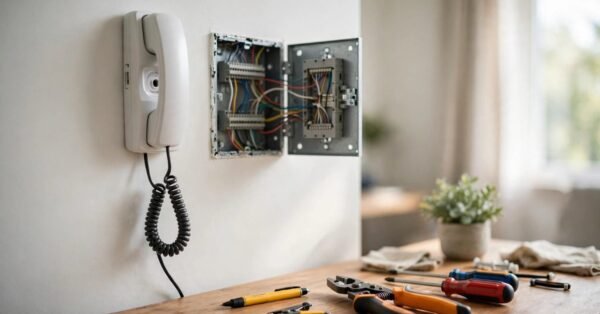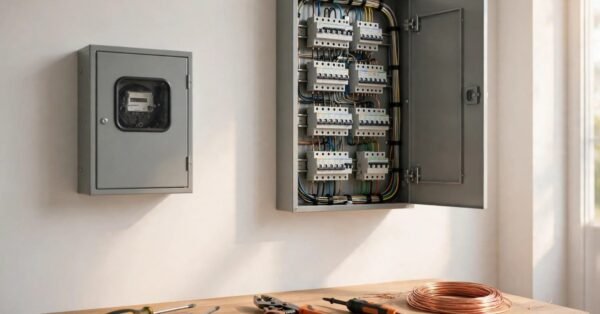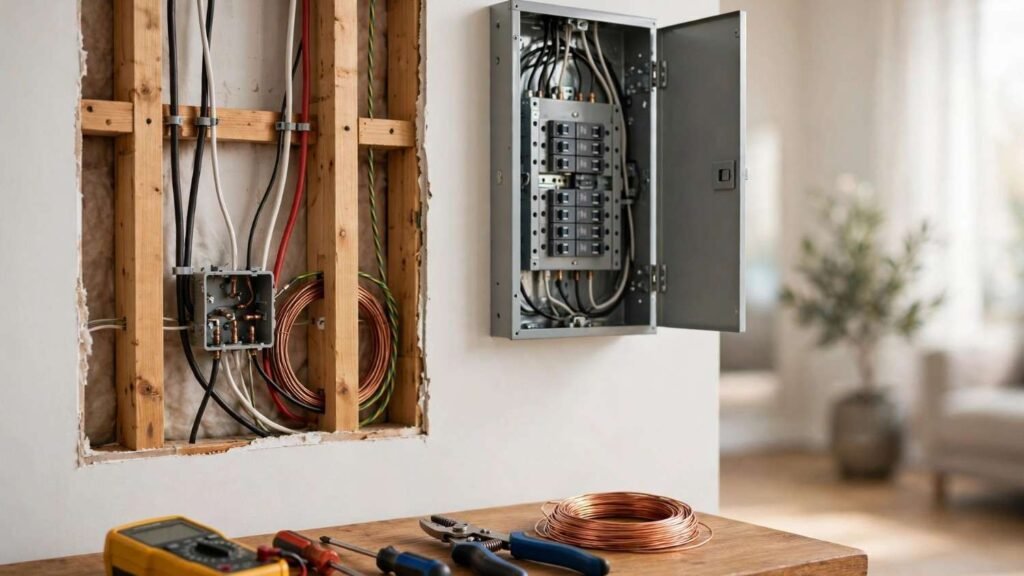
I hear this question a lot from homeowners staring at a repair estimate. Electrical terminology is simply the specific language electricians use to describe wiring, circuits, voltage, and the components that make your home’s power system work. Knowing a handful of these terms helps you understand what’s actually happening behind your walls.
What Does Electrical Terminology Mean?
Electrical terminology covers the words and phrases professionals use to describe how electricity moves through your home. Terms like amperage, circuit breaker, grounding, and voltage drop show up constantly in inspection reports and repair quotes. Learning these basics turns a confusing conversation into one you can actually follow and make decisions from.
Common Electrical Terms Homeowners Hear Most
I’ll start with the ones that matter day to day. A circuit breaker interrupts power when something overloads it. Amperage measures how much current flows through a wire. Voltage is the force pushing that current along, and grounding gives excess electricity a safe path away from you.
These four terms alone cover most of what shows up in a typical service call. Once you know them, a technician’s explanation stops sounding like a foreign language.
Why These Terms Matter for Your Property
Misreading electrical language leads to real problems. Homeowners sometimes approve work they didn’t need, or miss a warning sign described in plain technical terms. Understanding the vocabulary protects both your wallet and your safety.
It also helps during inspections or home sales. Appraisers and inspectors note things like “double-tapped breakers” or “knob-and-tube wiring,” and knowing what those mean changes how you negotiate or prioritize repairs.
A licensed electrician handles the actual repair once the diagnosis is clear, but understanding the terminology first puts you in a stronger position before that call even happens.
How Electrical Terminology Applies to Everyday Repairs
I’ve seen plenty of homeowners get a quote full of terms like “panel upgrade” or “GFCI outlet” with no context. That language directly shapes the scope and price of the work being proposed.
Example: Understanding a Service Quote
Say your quote mentions a “120-volt circuit” and a “15-amp breaker.” That tells you the technician is describing a standard household outlet circuit, not a major appliance line. Recognizing how those terms shape a repair estimate helps you compare quotes accurately instead of guessing at what’s included.
A clear quote should break down labor, parts, and code requirements in plain terms alongside the technical ones.
Electrical Terms vs. Licensing and Code Language
Terminology and code language aren’t the same thing, though they overlap. A term like “grounding” describes a physical safety function. A code reference like “NEC 210.8” points to the specific regulation requiring it in certain rooms.
We find homeowners do better focusing on the functional terms first. Code citations matter more for the licensed professional actually pulling the permit.
Conclusion
Electrical terminology boils down to a short list of recurring terms describing current, safety, and circuit design. Once you recognize them, quotes and inspection reports stop feeling intimidating.
This knowledge keeps paying off every time you maintain, sell, or upgrade your property. Confident homeowners make faster, better repair decisions.
We built our team at Mr. Local Services to translate this language into plain action for you. Reach out and let us walk you through your next electrical project.
Frequently Asked Questions
What is the difference between voltage and amperage?
Voltage measures the electrical force pushing current through a wire. Amperage measures the actual volume of current flowing. Both numbers matter for sizing circuits safely.
What does “grounding” mean in electrical terms?
Grounding provides a safe path for excess electricity to travel away from people and equipment. It’s a core safety feature in every modern electrical system.
Why do electricians use so much technical language?
Precise terminology prevents miscommunication about safety-critical work. Standardized terms ensure every electrician describes the same issue the same way, every time.
Is electrical terminology the same nationwide?
Core terms stay consistent across the US, though code requirements vary by state and municipality. Basic vocabulary like “breaker” or “voltage” means the same thing everywhere.
Do I need to understand electrical terms before hiring someone?
Not strictly, but it helps you evaluate quotes and ask better questions. A little knowledge prevents overpaying or missing an important safety detail.