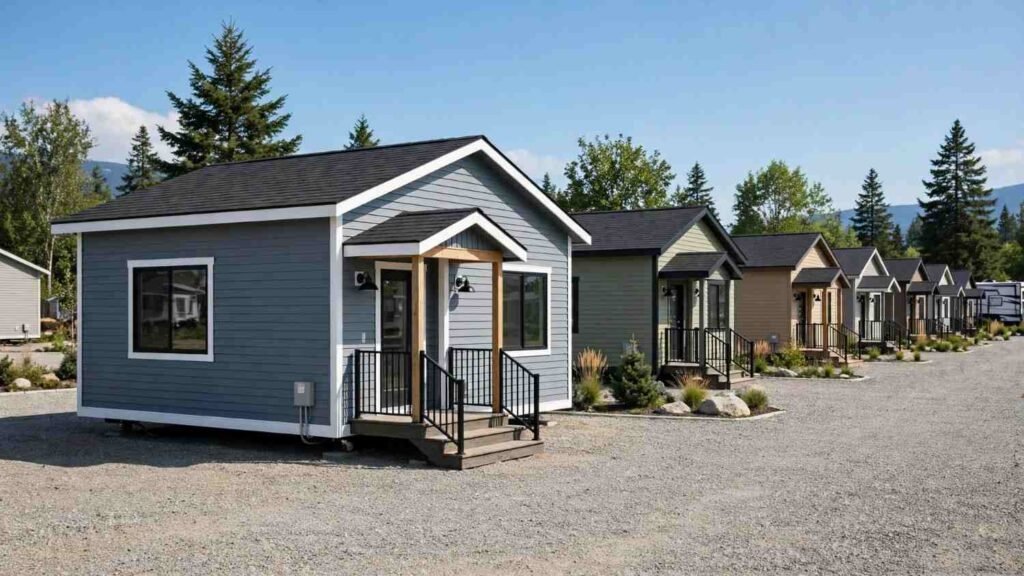
A park model home is a factory-built dwelling under 400 square feet, designed to sit on a permanent or semi-permanent foundation while still meeting RV-style transport codes. I’ve walked a lot of homeowners through this exact decision, and the manufacturer they pick ends up mattering more than almost any other choice in the process.
Buyers get burned when they skip the vetting step and go with whoever quotes the lowest price. That single decision drives everything else build quality, how long the home lasts, and whether a small problem turns into a five-figure repair.
I’m going to walk through what actually separates a reliable park model builder from a risky one. I’ll cover how to judge build quality and standards, what factors matter most when comparing builders, the questions worth asking before you sign anything, how pricing really breaks down, and what happens after the purchase when delivery and setup begin.
What a Park Model Home Actually Is
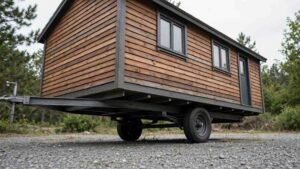
A park model home is a manufactured structure built to ANSI A119.5 standards, distinct from both traditional RVs and site-built tiny homes. It’s constructed on a single chassis, sits under 400 square feet of livable space, and is meant to stay put once it’s placed.
I always tell people the confusion here costs them money. Park models get compared to RVs and tiny homes constantly, and the differences change what you should expect from a manufacturer.
Park Models vs. Tiny Homes vs. RVs
RVs are built for regular road travel and follow different code requirements entirely. Tiny homes on a permanent foundation follow local residential building codes instead of ANSI standards. Park models sit in the middle built on a chassis like an RV, but designed for long-term, stationary living like a tiny home.
That middle position is exactly why manufacturer quality matters so much. A builder cutting corners on either standard leaves you with a structure that doesn’t fully satisfy either category.
What Makes a Park Model Manufacturer Reputable
A reputable manufacturer has consistent third-party inspections, transparent build documentation, and a track record of homes still standing strong ten-plus years later. I look for manufacturers who don’t get defensive when I ask about their certification process.
The ones worth working with talk about their standards openly. The ones to avoid change the subject or point to marketing brochures instead of actual inspection records.
Certifications, Codes, and Build Standards to Check
Every legitimate park model manufacturer should build to ANSI A119.5, the recognized national standard for recreational park trailers. The National Fire Protection Association maintains related standards manufacturers reference for electrical and fire safety systems inside these units.
Ask for the actual compliance certificate, not just a verbal confirmation. A manufacturer that hesitates to produce documentation is telling you something important without saying a word.
State-level codes vary too, and a manufacturer familiar with your specific state’s requirements saves you headaches down the line. This matters even more if your park model gets placed as part of a broader property upgrade involving other trades.
Key Factors to Compare Between Manufacturers
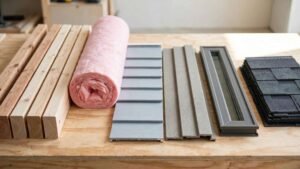
Price matters, but it’s the least useful number to compare first. Warranty terms, material sourcing, and customization flexibility tell you far more about what you’re actually buying.
I’ve seen two manufacturers quote nearly identical prices with wildly different warranty coverage hiding underneath. That gap is where buyers get surprised months after move-in.
Materials, Warranties, and Customization Options
Framing material, insulation rating, and exterior siding all vary significantly between manufacturers, even on models that look identical in photos. A structure with better insulation costs more upfront and saves real money on heating and cooling every year after.
Warranty length is the clearest signal of how confident a manufacturer is in their own work. Most reputable builders offer one to three years on structural components, and anything shorter deserves a direct question about why.
Customization options layout changes, upgraded fixtures, exterior finishes separate premium builders from budget ones fast. A manufacturer with a rigid, no-changes policy usually reflects a rigid production process behind the scenes too.
Questions to Ask Before You Buy a Park Model
The right questions upfront save thousands in surprises later. I always start with production timeline, warranty specifics, and what happens if something goes wrong after delivery.
A manufacturer that answers plainly and specifically is one worth trusting. Vague answers to direct questions are the biggest tell of all.
Red Flags That Signal an Unreliable Manufacturer
Pressure to sign quickly, reluctance to share references, and vague answers about material sourcing are the three biggest warning signs. A trustworthy manufacturer wants you to take your time and check their work.
Watch for manufacturers who can’t produce recent customer references. And be wary of anyone quoting a price dramatically lower than every other builder you’ve talked to that gap comes from somewhere, and it’s rarely a good place.
Costs and Pricing Structures Across Manufacturers
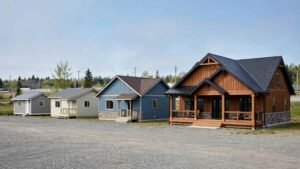
Park model pricing typically runs from $50,000 to over $150,000 depending on size, finish level, and customization, according to the Manufactured Housing Institute. That range reflects real differences in materials and labor, not just brand markup.
Base price rarely tells the full story. Delivery fees, site prep, and utility hookups often add a meaningful percentage on top of the sticker price.
What Drives Price Differences Between Builders
Labor costs in the manufacturer’s home region affect pricing more than most buyers expect. A builder in a high-cost area passes some of that along, even for a comparable structure.
Customization drives cost too, and it compounds fast. Every upgraded fixture, every layout change, and every premium material choice adds to a base price that looked attractive in the initial quote.
Volume matters on the manufacturer’s side as well. Larger builders sometimes offer better material pricing through bulk purchasing, while smaller custom shops charge more for individual attention and flexibility.
Delivery, Setup, and Site Preparation After Purchase
Getting the park model built is only half the process. Delivery, placement, and hookup require coordination between the manufacturer, a transport company, and local contractors on your end.
I remind every homeowner that this phase is where a lot of avoidable delays happen. Planning site prep before the home ships keeps the whole timeline on track.
Working With Local Contractors for Installation
Site prep involves grading, a foundation or pier system, and utility connections that need to be ready before delivery day. Skipping ahead on this step is the single most common cause of installation delays I see.
Electrical, plumbing, and HVAC hookups typically need licensed local contractors, since manufacturers rarely handle final utility connections themselves. Lining up reliable HVAC installation and plumbing support ahead of delivery keeps your move-in date realistic instead of aspirational.
A dependable local handyman can also handle smaller finishing touches after setup deck attachments, skirting, or interior trim work the manufacturer doesn’t include. Getting this lined up early means your park model is livable the same week it arrives, not weeks later.
Conclusion
Choosing the right park model manufacturer comes down to verified standards, honest warranty terms, and clear answers to direct questions. The cheapest quote rarely reflects the true cost once materials and long-term durability enter the picture.
A well-built park model, sourced from a reputable manufacturer, holds its value and comfort for decades. We help homeowners handle everything that happens after delivery from utility hookups to finishing touches so your new home is ready to live in, not just ready to look at.
Frequently Asked Questions
What is the difference between a park model and a tiny home?
A park model follows ANSI A119.5 standards and sits on a chassis, while a tiny home on a foundation follows residential building codes. Park models are designed for semi-permanent placement, and tiny homes are typically built for full permanent residency.
How much does a park model home cost?
Park model homes generally range from $50,000 to over $150,000 depending on size and finishes, according to the Manufactured Housing Institute. Delivery, site prep, and utility hookups add costs on top of the base price.
What warranty should a park model manufacturer offer?
Most reputable manufacturers offer one to three years of coverage on structural components. A warranty shorter than that is worth a direct question before you sign anything.
How do I verify a park model manufacturer’s certifications?
Ask for the actual ANSI A119.5 compliance certificate rather than a verbal confirmation. A hesitant response to this request is a clear warning sign.
How long does it take to build and deliver a park model home?
Production timelines vary by manufacturer and customization level, so I always ask for a specific written estimate upfront. Delivery and site prep coordination can add extra weeks if utility hookups aren’t ready in advance.
What should I check before signing a contract with a manufacturer?
Confirm warranty terms, material specifications, and a firm delivery timeline in writing before signing anything. A manufacturer unwilling to put these details on paper is one to walk away from.
Do park model manufacturers handle delivery and setup?
Manufacturers typically handle transport, but site prep and utility hookups usually require separate local contractors. Coordinating these ahead of delivery day keeps your move-in schedule realistic.