I bought my first park model home thinking the loan would work just like a regular mortgage. It doesn’t, and that surprised me more than the price tag did.
Most park model buyers hit the same wall. Traditional mortgage lenders won’t touch these homes, insurance companies price them differently than site-built houses, and the whole process feels like it’s missing a rulebook.
I’m covering what a park model actually costs to finance, the loan types that work, how credit and down payments affect approval, the difference between land-owned and leased-lot financing, and how insurance coverage and premiums fit into your real monthly budget.
What Is a Park Model Home and Why Financing Works Differently
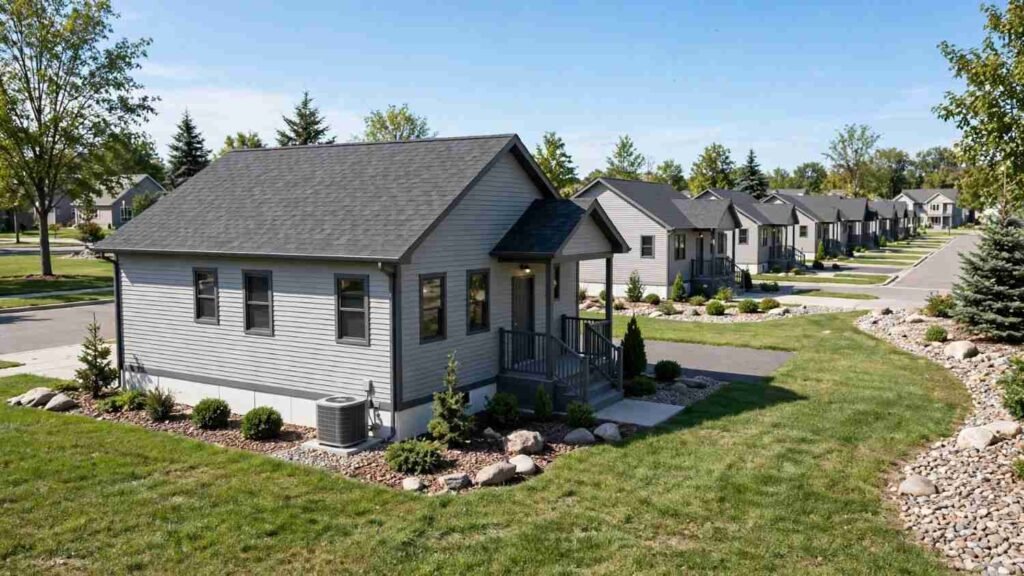
A park model home is a recreational vehicle built to a specific size limit, generally under 400 square feet, designed for extended or seasonal occupancy rather than year-round use in every jurisdiction. That single classification decision creates almost every financing headache buyers run into later.
Regular houses get regular mortgages because they sit on a permanent foundation and get classified as real property. A park model gets titled more like a travel trailer in most states, even when it never moves after delivery.
I’ve seen buyers assume their bank will treat this like a small house loan. It won’t, because the home is legally personal property in most cases, not real estate.
That distinction pushes buyers toward RV-style loans, chattel loans, or personal financing instead of a conventional mortgage. Land ownership status changes this picture too, and I get into that later in this guide.
How Much Does a Park Model Home Really Cost
Base prices for a new park model home run $50,000 to $100,000, according to the Manufactured Housing Institute, depending on square footage, finishes, and manufacturer. Site prep, utility hookups, delivery, and setup add another $5,000 to $20,000 on top of that.
Land costs sit completely outside those numbers. Buying a lot pushes the total well past $150,000 in many markets, while leasing a lot in a community keeps upfront costs lower but adds a recurring monthly fee.
I always tell people to separate three numbers before they talk to a lender: the home price, the site costs, and the ongoing lot rent or land payment. Lenders look at these differently, and mixing them together in your head makes budgeting messy fast.
Insurance adds another line item most first-time buyers forget to plan for. I cover real premium ranges further down, but budget for it now rather than treating it as an afterthought.
Park Model Financing Options Loans You Can Actually Qualify For
Three loan categories cover almost every park model purchase. Each one treats the home differently, and that difference changes your rate, your term, and what happens if you ever want to sell.
Chattel Loans for Park Model Homes
A chattel loan is a loan secured by the home itself as personal property rather than by the land underneath it. This is the most common financing path for park models sitting on leased lots.
Terms typically run 10 to 20 years, shorter than a standard mortgage. Rates land higher than a conventional home loan too, because the lender’s collateral depreciates instead of appreciating like real estate usually does.
I like chattel loans for buyers who don’t own land and don’t plan to. The approval process moves faster than real estate financing, and the paperwork is lighter.
RV-Style Loans and Their Limits
Since park models carry an RV classification through the RV Industry Association, some lenders finance them through RV loan programs instead of chattel or manufactured housing products. These loans often come with shorter terms, sometimes 10 to 15 years, and stricter age or usage restrictions on the unit.
Not every lender will finance a park model this way. Insurance requirements can differ too, and I address that overlap in the insurance section below.
Personal Loans and Alternative Financing
Buyers with strong credit sometimes finance a park model through an unsecured personal loan, especially for lower-cost units or when a home is being placed on land the buyer already owns outright. Rates run higher than secured financing, and loan amounts cap out lower than what chattel or RV loans typically allow.
This route works best as a bridge, not a first choice. I’d only recommend it when secured options aren’t available or the amount needed is small enough that a shorter unsecured term makes sense.
Credit Score, Down Payment, and Loan Term Requirements
Most chattel and RV-style lenders want a credit score of 620 or higher for standard rates. Buyers under that threshold still qualify with some lenders, but the rate premium gets steep fast.
Down payments run 10% to 20% of the home’s price for most park model loans. Some manufactured housing programs allow less, but the tradeoff shows up as a higher interest rate or added fees.
Loan terms sit shorter than a house mortgage, usually landing between 10 and 20 years depending on loan type and lender. A shorter term means higher monthly payments but real savings on total interest paid over the life of the loan.
I always run the math both ways for buyers. A 15-year term at a slightly higher payment often beats a stretched 20-year term once total interest gets added up.
How to Get Approved The Park Model Loan Application Process
Lenders pull credit, verify income, and confirm the home’s classification before approving a park model loan. The unit’s age, size, and construction standard all factor into the decision, since older units and non-standard builds get flagged more often.
Getting pre-approved before shopping saves real time. I’ve watched buyers fall in love with a unit only to find out afterward that their preferred lender won’t finance that specific model or age.
Documentation typically includes proof of income, two years of tax returns for self-employed buyers, bank statements, and a signed purchase agreement from the dealer or seller. Lot lease agreements or land deeds get requested too, since the lender needs to know where the home will sit.
Closing on a chattel loan moves faster than real estate closings, often within two to four weeks once documentation is complete. That speed is one of the real advantages of this loan category.
Land-Owned vs Leased-Lot Financing Differences
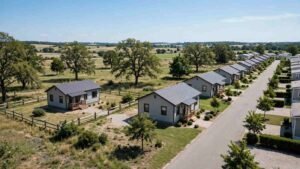
Owning the land under a park model opens up more financing paths, including some manufactured home loan products that treat the home and land as a single package. This combination can qualify for longer terms and sometimes better rates than a chattel loan alone.
Leasing a lot in a community keeps upfront costs lower since there’s no land purchase involved. But it locks buyers into chattel or RV-style financing exclusively, since there’s no real property to leverage.
I tell buyers to factor lot rent into their long-term math, not just their monthly loan payment. A cheaper loan on a leased lot can still cost more over time once rent increases get added in year after year.
Insurance requirements shift slightly between these two setups too, and that leads into coverage.
Park Model Home Insurance Explained
Park model insurance is a specialized policy that covers a recreational-classified dwelling used for extended or permanent occupancy, differing from both standard homeowners insurance and typical RV insurance. Most standard homeowners policies won’t cover a park model at all, because insurers classify the structure the same way lenders do as personal property, not a house.
What Standard Park Model Policies Cover
A typical park model policy covers the structure itself, personal belongings inside it, liability protection, and often additional living expenses if the home becomes uninhabitable after a covered event. Some policies bundle in coverage for attached decks, skirting, and permanently installed awnings.
I always double check that a policy explicitly names the park model as a dwelling, not just a “travel trailer,” since that wording affects what actually gets paid out on a claim.
Common Coverage Gaps and Exclusions
Flood damage, and often earth movement, sit outside standard park model policies and require separate riders or standalone policies. Wind and hail exclusions show up frequently in coastal and Tornado Alley regions too, sometimes with a separate deductible attached.
Full-time occupancy versus seasonal use changes what a policy will actually cover. I’ve seen claims denied because the homeowner listed the unit as a seasonal residence while living in it year-round, so accuracy on the application matters more than people expect.
What Affects Your Park Model Insurance Premium
Location drives premium costs more than almost any other factor, since wildfire, flood, and severe weather risk vary enormously by region. A unit in a coastal flood zone pays substantially more than the same home inland.
The home’s age and construction materials matter too. Older units with outdated wiring or plumbing sometimes carry higher premiums or need an inspection before a policy gets issued.
Occupancy type full-time versus seasonal shifts pricing as well, with full-time occupancy usually costing more since the exposure window is longer. Community versus private-lot placement factors in too, since some insurers view organized communities as lower risk due to on-site management and infrastructure.
Annual premiums commonly land in the $500 to $1,500 range depending on these variables, though high-risk coastal or wildfire zones can push that higher.
Bundling Financing and Insurance Costs Into Your Monthly Budget

I build every buyer’s real monthly number from four pieces: the loan payment, lot rent or land payment, insurance premium divided into monthly terms, and a maintenance reserve. Skipping any one of these leads to budget surprises later.
A $70,000 chattel loan at a 15-year term runs a very different monthly payment than the same loan stretched to 20 years, and I covered that math earlier. Add insurance at roughly $60 to $125 a month depending on region and risk, plus lot rent if you’re leasing.
Property taxes apply too in many states, even on personal-property-classified homes, so I always ask buyers to check with their local assessor before finalizing a budget. Building in a small maintenance reserve, even $50 a month, keeps unexpected repairs from becoming a financial emergency.
Common Mistakes That Delay Loan or Insurance Approval
Shopping for a home before getting pre-approved wastes time and sets buyers up for disappointment when a lender won’t finance their chosen unit. I always push pre-approval first, every time.
Underinsuring a park model to save on premiums backfires the moment a claim gets filed. A policy that doesn’t match the home’s actual replacement cost leaves the owner covering the gap out of pocket.
Misreporting occupancy type, whether accidentally or to save on premiums, is the single biggest reason I’ve seen claims get denied outright. Answer that question on the application honestly, since it directly affects what your policy will actually pay.
Not confirming a lender’s specific age and size restrictions before making an offer on a unit causes financing to fall through late in the process, sometimes after a deposit is already down.
Conclusion
Park model financing and insurance both hinge on one fact: these homes get classified as personal property, not real estate, in nearly every situation. That single detail shapes every loan option, every premium calculation, and every coverage decision covered here.
Buyers who separate their home cost, land or lot cost, and insurance cost from day one avoid the budget surprises that catch so many people off guard. Getting pre-approved and accurately insured before signing anything protects the investment for years to come.
We help homeowners and property managers navigate decisions like this every day. Reach out to Mr. Local Services when you’re ready to plan the next step for your property with confidence.
Frequently Asked Questions
Can you get a traditional mortgage on a park model home?
No, most lenders won’t issue a traditional mortgage on a park model since it’s classified as personal property. Chattel loans, RV-style loans, or personal loans cover most park model purchases instead.
What credit score do you need to finance a park model home?
Most lenders want a credit score of 620 or higher for standard rates on a park model loan. Lower scores still qualify with some lenders, but at noticeably higher interest rates.
Does homeowners insurance cover a park model home?
No, standard homeowners insurance typically excludes park model homes entirely. A specialized park model policy covers the structure, belongings, and liability instead.
How much does park model insurance cost per year?
Annual park model insurance premiums typically run $500 to $1,500, depending on location, occupancy type, and the home’s age. High-risk coastal or wildfire regions often land at the higher end.
What’s the difference between a chattel loan and an RV loan for a park model?
A chattel loan secures the loan against the home as personal property, while an RV loan classifies the unit under recreational vehicle financing rules. Terms, rates, and lender requirements differ between the two.
Do you need flood insurance for a park model home?
Standard park model policies generally exclude flood damage, requiring a separate flood insurance rider or standalone policy. This matters most for units placed in coastal or flood-prone regions.
Can you finance a park model home on a leased lot?
Yes, chattel loans and RV-style loans both work for park models on leased lots since neither requires land ownership. Leasing a lot does exclude buyers from land-and-home package loan products, though.
How long are typical park model loan terms?
Park model loan terms typically run 10 to 20 years, shorter than a standard 30-year home mortgage. Shorter terms mean higher monthly payments but lower total interest paid over time.