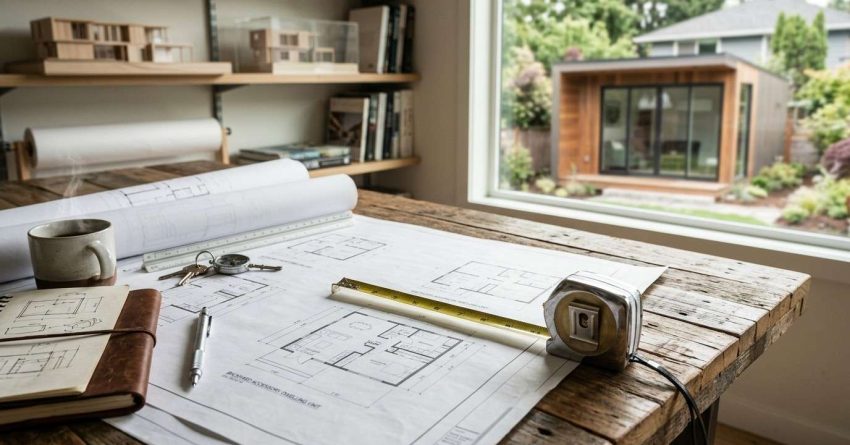
Most Accessory Dwelling Units (ADUs) in the USA are capped between 800 and 1,200 square feet, though many states allow detached units up to 1,200 square feet and attached units up to 50% of the primary home’s size. Exact limits depend on state law, local zoning, lot size, and ADU type. Understanding these caps helps homeowners, landlords, and property managers plan a unit that meets code, fits the property, and delivers long-term value.
Maximum ADU Size Limits Explained
Across the USA, the maximum ADU size typically falls between 800 and 1,200 square feet for detached units. Attached ADUs are often limited to 50% of the primary dwelling’s square footage, while interior conversions can occupy the full existing footprint of a basement, attic, or garage. State law sets the ceiling, and local jurisdictions apply refinements.
Detached ADU Size Caps
Detached ADUs are standalone structures on the same lot as the main home. In most states, they cap at 1,200 square feet, though some jurisdictions allow up to 1,500 square feet for two-bedroom layouts. Height limits usually range from 16 to 25 feet, depending on lot size and neighborhood context. Detached units offer the most privacy and design flexibility, making them a preferred option for rental income or multi-generational living arrangements.
Attached and Interior ADU Size Caps
Attached ADUs share a wall with the primary residence and are typically limited to 50% of the main home’s floor area, with an 800 to 1,000 square foot ceiling in many areas. Interior ADUs, also called conversion ADUs, use existing space inside the home, garage, or basement. Their size is bounded by the existing structure, though most codes require a minimum of 150 to 220 square feet and full compliance with egress, ventilation, and fire-separation standards.
Size caps define what is allowed. What determines what is buildable is a separate layer of rules. The local zoning and permit requirements attached to each parcel decide how those caps apply in practice.
How State and Local Rules Shape ADU Size
State legislation sets the framework, but cities and counties fine-tune the numbers. California, Oregon, Washington, and Colorado have passed laws that override restrictive local caps to encourage ADU construction. Local rules still control setbacks, height, parking, and design standards, all of which indirectly limit usable square footage.
California, Oregon, and Other Leading States
California allows detached ADUs up to 1,200 square feet by right, and cities cannot impose smaller caps for one-bedroom units under 850 square feet. Oregon permits ADUs up to 900 square feet in most residential zones. Washington and Colorado follow similar models. Other states, including Texas, Florida, and North Carolina, defer more heavily to local rules, so maximum sizes vary widely by county and municipality.
Lot Size, Setbacks, and Practical Size Factors
Even when code allows a 1,200 square foot ADU, lot size often decides what actually fits. Setback requirements typically demand 4 to 10 feet from side and rear property lines. Coverage rules cap the total percentage of the lot occupied by structures, usually 40% to 50%. Utility access, septic capacity, and existing landscaping further constrain footprint. Many homeowners exploring smaller footprints also weigh how tiny homes compare to ADUs when deciding which structure suits their goals.
Conclusion
ADU size limits generally range from 800 to 1,200 square feet, with detached, attached, and interior units each following distinct caps shaped by state and local codes.
Homeowners, landlords, and property managers benefit from confirming both state law and municipal rules before finalizing plans, since size flexibility directly affects property value and rental potential.
At Mr. Local Services, we connect you with trusted ADU experts who handle design, permits, and construction from start to finish. Start your project today.
Frequently Asked Questions
What is the smallest legal ADU size?
Most codes require a minimum of 150 to 220 square feet, following the International Residential Code. Local rules may set slightly higher minimums for full kitchens, bathrooms, and sleeping areas.
Can an ADU be two stories tall?
Yes. Many jurisdictions allow two-story ADUs up to 25 feet in height, provided setbacks, privacy standards, and neighborhood compatibility rules are met by the design.
Does ADU size affect property taxes?
Yes. Larger ADUs increase assessed property value, which raises annual property taxes. The added square footage is typically taxed as an improvement, not a full reassessment of the parent property.
Can I build an ADU larger than my main house?
Usually not. Most codes cap attached ADUs at 50% of the primary dwelling’s size, though detached ADUs can sometimes exceed that limit under state law.
Do ADU size limits include garages or storage?
Habitable space counts toward the size cap. Attached garages, unfinished storage, and covered porches are often excluded, but rules vary by jurisdiction, so verify locally.