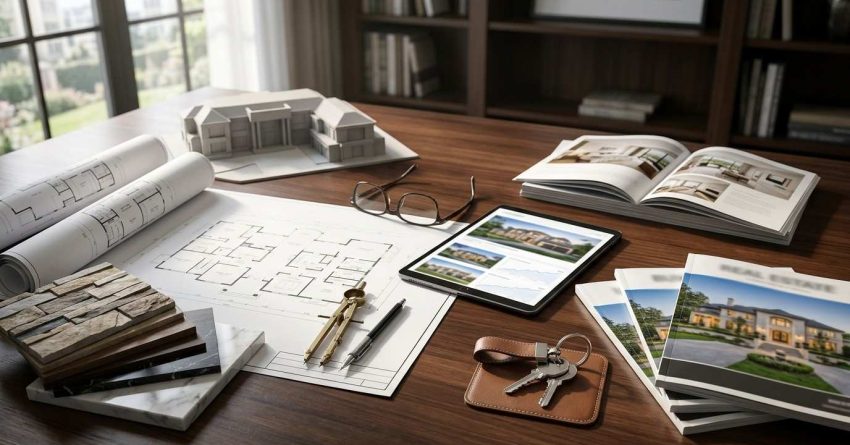
In most US markets, buying a mansion is cheaper than building one, primarily because existing luxury homes benefit from established land value, completed infrastructure, and predictable pricing. Building offers full customization but exposes owners to construction cost overruns, permit delays, and market volatility. The right choice depends on location, land availability, timeline, and how much personalization matters. This guide breaks down the real numbers so homeowners, investors, and property managers can make a confident, cost-based decision.
The Direct Answer: Buying Is Usually Cheaper
Buying an existing mansion typically costs 10% to 25% less than building a comparable one from the ground up. Existing properties include land, landscaping, utilities, and finished interiors at a bundled price. Building introduces variable costs, longer timelines, and higher risk. For most US buyers seeking value and speed, purchasing wins on total cost of ownership.
Average Cost to Build a Mansion in the USA
Building a mansion in the US generally costs between $500 and $1,000 per square foot for luxury-grade construction. A 10,000 square-foot custom mansion often lands between $5 million and $10 million, not counting land. Add architectural fees, engineering, permits, high-end finishes, and pools or guest wings, and totals climb quickly. Construction timelines run 18 to 36 months, meaning inflation, labor shortages, and material price swings directly affect the final bill. Rural locations may reduce land expense, but transporting skilled trades and materials often offsets those savings.
Average Cost to Buy a Mansion in the USA
Buying an existing mansion in the US typically ranges from $3 million to $8 million for comparable square footage, depending on region, condition, and amenities. Coastal states like California, Florida, and New York command premium pricing, while Texas, Georgia, and Tennessee often offer larger estates at lower totals. Existing mansions come with mature landscaping, functional systems, and predictable inspection reports. Financing is faster, closings happen within 30 to 60 days, and buyers avoid the risks tied to construction delays or scope creep.
The pricing question is only one half of the decision. The other half is what you want the property to become, which is where custom design and remodeling work shapes the true long-term value of either path.
When Building a Mansion Makes Financial Sense
Building becomes the smarter choice when land is already owned, when the exact floor plan carries lifestyle value, or when existing mansion inventory in the desired area is limited. Custom builds allow modern energy systems, smart home integration, and tailored layouts that older estates cannot easily replicate through renovation.
Land, Permits, and Custom Design Factors
Land alone can account for 20% to 40% of a mansion project budget. Zoning approvals, environmental studies, and municipal permits add months and thousands of dollars before ground breaks. Custom design carries architect fees ranging from 8% to 15% of construction cost. When owners prioritize control over compromise, these expenses become investments rather than obstacles. Building also allows warranty coverage across all systems from day one, reducing near-term repair exposure common in older luxury homes.
Hidden Costs Most Buyers and Builders Overlook
Both paths carry expenses that surprise first-time mansion owners. Buyers often underestimate property taxes on higher assessed values, insurance premiums for high-replacement-cost homes, and utility bills scaled to large square footage. Builders frequently overlook site preparation, utility trenching, and long-lead luxury materials. Large-scale roofing and structural upgrades alone can add six-figure line items depending on pitch, materials, and square footage.
HVAC zoning, security systems, and pool maintenance further shift the true cost of ownership well beyond the sticker price of either option.
Conclusion
Buying a mansion is usually cheaper than building one, but the smartest decision blends cost, timeline, land availability, and personalization goals into a single clear plan.
For homeowners and property managers, ongoing property maintenance protects the value of either choice across every season and system.
We help you plan, protect, and maintain luxury properties end to end. Contact Mr. Local Services today for trusted expertise.
Frequently Asked Questions
Is it faster to buy or build a mansion?
Buying is faster. Closings complete in 30 to 60 days, while custom mansion construction typically requires 18 to 36 months from design approval.
How much does a 10,000 square-foot mansion cost to build?
A 10,000 square-foot luxury mansion in the US usually costs between $5 million and $10 million, excluding land, landscaping, and premium interior upgrades.
Do mansions lose value over time?
Well-maintained mansions in strong locations generally hold value. Poor upkeep, outdated systems, or declining neighborhoods can reduce resale price significantly.
Is financing easier for buying or building a mansion?
Financing is easier for buying. Construction loans require detailed budgets, staged draws, and stricter approval terms compared to standard jumbo mortgages.
What ongoing services do mansion owners need most?
Owners rely on HVAC, roofing, plumbing, electrical, landscaping, and pest control services to maintain safety, functionality, and long-term property value.