A plumbing maintenance plan is a scheduled, proactive service program that keeps your home’s pipes, drains, fixtures, and water systems in reliable working condition before problems develop. For homeowners, landlords, and property managers across the USA, a structured plan reduces the risk of costly emergency repairs, water damage, and unexpected system failures that disrupt daily life.
Skipping routine plumbing care is one of the most common and expensive mistakes property owners make, and the consequences often show up at the worst possible time.
This guide explains what a plumbing maintenance plan includes, which components matter most, how to build a seasonal schedule, and how to choose the right plan for your property.
What Is a Plumbing Maintenance Plan?
A plumbing maintenance plan is a structured program of regular inspections, cleaning, and preventive service designed to keep every part of your plumbing system functioning correctly. Rather than waiting for a leak, clog, or failure to appear, a maintenance plan puts a professional on a scheduled visit to assess your system, identify early warning signs, and address minor issues before they escalate.
Plans are typically offered on an annual, semi-annual, or quarterly basis depending on the size of the property, the age of the plumbing system, and the specific needs of the homeowner or property manager. Residential plans differ from commercial plans in scope, but both share the same core purpose: preventing failures through consistent, documented care.
What Does a Plumbing Maintenance Plan Include?
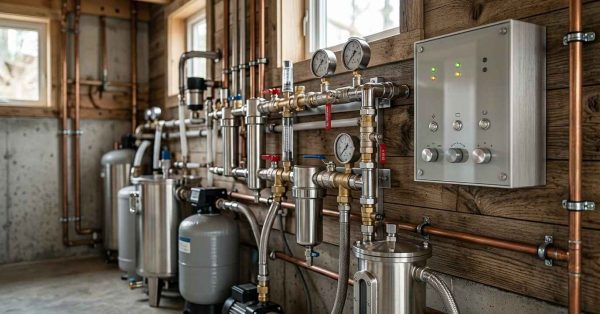
A standard plumbing maintenance plan includes a full system inspection covering pipes, fixtures, shut-off valves, water pressure, drain flow, and water heater performance. The plumber checks for signs of corrosion, leaks, slow drains, and pressure irregularities. Many plans also include drain cleaning, water heater flushing, and a written report of findings with recommended repairs. The exact scope varies by provider, so reviewing what is covered before signing any service agreement is important.
Why Every Homeowner Needs a Plumbing Maintenance Plan
Plumbing problems rarely announce themselves early. A slow leak inside a wall, a corroding pipe joint, or a water heater building sediment can go unnoticed for months until the damage becomes significant. A maintenance plan creates a regular checkpoint that catches these issues while they are still minor and inexpensive to fix.
For landlords and property managers, a documented maintenance plan also provides a record of due diligence, which can be valuable in tenant disputes or insurance claims. Properties with consistent maintenance histories tend to hold their value better and experience fewer emergency service calls, which directly reduces operating costs over time.
A plumbing maintenance plan works best as part of a broader approach to property care — our plumbing services overview covers the full range of professional plumbing solutions available for residential and commercial properties.
How Preventive Plumbing Care Saves Money Long-Term
The cost of a routine maintenance visit is a fraction of what an emergency repair or water damage restoration typically costs. Fixing a small pipe leak during a scheduled inspection might cost under $200. Left undetected, that same leak can cause structural damage, mold growth, and flooring replacement that runs into thousands of dollars. Preventive care is not an added expense — it is a cost-reduction strategy that pays for itself consistently over the life of a property.
Key Components of a Plumbing Maintenance Plan
A well-structured plumbing maintenance plan covers three core service areas: pipe and leak inspection, drain cleaning, and water heater maintenance. Each component addresses a distinct part of the plumbing system and contributes to overall reliability and safety.
Pipe Inspection and Leak Detection
Pipe inspection involves a professional assessment of your visible and accessible plumbing lines for signs of corrosion, joint failure, mineral buildup, and active or slow leaks. In older homes, this step is especially important because aging pipes made from galvanized steel or polybutylene are more prone to failure. Early detection of a compromised pipe prevents water intrusion, structural damage, and mold — all of which are far more disruptive and expensive to address after the fact.
Catching leaks early is one of the highest-value steps in any maintenance routine — our dedicated pipe inspection services explains what a professional inspection covers, how it works, and when to schedule one.
Drain Cleaning and Clog Prevention
Drain cleaning removes the buildup of grease, soap residue, hair, and mineral deposits that accumulate inside drain lines over time. Even drains that appear to be flowing normally can have partial blockages that restrict flow and create pressure on pipe joints. Professional drain cleaning uses hydro-jetting or mechanical snaking to clear lines thoroughly, reducing the risk of backups, slow drains, and sewage-related issues.
Routine drain maintenance is a core part of any plumbing plan — our drain cleaning services outlines what professional drain cleaning includes, how often it should be done, and what warning signs to watch for.
Water Heater Maintenance
Water heater maintenance typically includes flushing the tank to remove sediment buildup, inspecting the anode rod, checking the pressure relief valve, and testing the thermostat. Sediment accumulation reduces heating efficiency, increases energy costs, and shortens the lifespan of the unit. A water heater that is serviced annually can last significantly longer than one that receives no attention, and it operates more efficiently throughout its service life.
Water heater care is a critical but often overlooked component of home plumbing upkeep — our water heater maintenance details what a professional service visit includes and how to extend the life of your unit.
Seasonal Plumbing Maintenance Checklist
Plumbing needs shift with the seasons. A seasonal approach ensures that your system is prepared for the specific demands each time of year places on pipes, fixtures, and outdoor water connections.
Spring and Summer Plumbing Tasks
- Inspect outdoor hose bibs and irrigation lines for winter damage
- Check washing machine hoses for cracks or bulging
- Test sump pump operation before heavy rain season
- Flush water heater tank to remove accumulated sediment
- Inspect all visible pipes under sinks for signs of moisture or corrosion
- Check water pressure and adjust if above 80 psi
Fall and Winter Plumbing Tasks
- Disconnect and drain outdoor hoses before the first freeze
- Insulate exposed pipes in unheated spaces such as garages, crawl spaces, and attics
- Locate and test your main water shut-off valve to confirm it operates correctly
- Schedule a full system inspection before temperatures drop
- Check water heater temperature settings and inspect for sediment
- Clear floor drains in basements and utility areas
When to Call a Professional Plumber
A maintenance plan reduces the frequency of urgent calls, but it does not eliminate them entirely. Knowing when a situation requires immediate professional attention is an important part of responsible property ownership.
Signs Your Plumbing Needs Immediate Attention
Call a licensed plumber right away if you notice any of the following: a sudden drop in water pressure throughout the home, discolored or foul-smelling water from multiple fixtures, visible water stains on ceilings or walls that were not there before, gurgling sounds from drains or toilets, or a water meter that continues to run when all fixtures are off. These signs indicate active leaks, pipe failures, or sewer line issues that worsen quickly without intervention.
Some plumbing issues cannot wait for a scheduled visit — our emergency plumbing services explains what qualifies as a plumbing emergency and how to get fast, reliable help when it matters most.
How to Choose the Right Plumbing Maintenance Plan
Choosing the right plan starts with understanding your property’s specific needs. Consider the age of your plumbing system, the number of fixtures and appliances connected to it, and whether you have had recurring issues such as slow drains, low pressure, or water heater problems. Older homes with original plumbing typically benefit from more frequent inspections than newer construction.
When evaluating providers, look for licensed and insured plumbers who offer a written scope of services, a clear pricing structure, and a documented report after each visit. Avoid plans that are vague about what is included or that require long-term contracts without a clear cancellation policy. A reputable provider will be transparent about what each visit covers and what falls outside the plan’s scope.
For landlords and property managers overseeing multiple units, ask whether the provider offers multi-property pricing or priority scheduling, as these features can significantly reduce both cost and response time across a portfolio.
Maintaining your plumbing system is one part of a larger whole-home maintenance strategy. When plumbing issues go unaddressed, the effects often extend beyond the pipes themselves and into other areas of the property.
How Plumbing Maintenance Connects to Whole-Home Upkeep
Plumbing failures are among the most common triggers for broader property damage. A leaking pipe inside a wall can saturate insulation, weaken structural framing, and create conditions for mold growth within 24 to 48 hours. A backed-up drain can affect flooring, cabinetry, and subfloor materials. This is why plumbing maintenance does not exist in isolation — it is directly connected to the overall condition and value of the property.
Unresolved plumbing problems are one of the leading causes of interior property damage — our water damage restoration explains how water damage is assessed, treated, and prevented from recurring.
For property owners managing multiple maintenance needs at once, our handyman services outlines how a skilled handyman can handle minor plumbing-adjacent repairs alongside other routine property upkeep tasks.
Conclusion
A plumbing maintenance plan is one of the most practical investments a property owner can make, protecting pipes, fixtures, and water systems from the kind of gradual deterioration that leads to expensive failures.
Consistent preventive care reduces emergency repair costs, extends the life of plumbing components, and gives homeowners and landlords a documented record of responsible property management.
Mr. Local Services connects you with licensed plumbing professionals who deliver thorough, transparent maintenance visits — so your plumbing stays reliable, your property stays protected, and you stay ahead of problems before they start.
Frequently Asked Questions
How often should a plumbing maintenance plan be scheduled?
Most residential properties benefit from a plumbing maintenance visit once or twice per year. Older homes, properties with hard water, or buildings with high fixture usage may require quarterly inspections to stay ahead of wear and buildup.
What is typically included in a plumbing maintenance visit?
A standard visit includes a full system inspection, water pressure check, drain flow assessment, water heater inspection, and a review of all accessible pipes and shut-off valves. The plumber provides a written report of findings and any recommended repairs.
Can a plumbing maintenance plan prevent water damage?
Yes, in many cases it can. Regular inspections catch slow leaks, corroding pipes, and failing fixtures before they cause water intrusion. Early detection is the most effective way to prevent the kind of water damage that leads to mold, structural issues, and costly restoration work.
Is a plumbing maintenance plan worth the cost?
For most homeowners and property managers, yes. The cost of a routine maintenance visit is significantly lower than the average emergency repair or water damage claim. A plan pays for itself when it catches even one serious issue before it escalates.
What is the difference between a plumbing maintenance plan and a home warranty?
A plumbing maintenance plan is a proactive service program focused on prevention and regular inspections. A home warranty is a reactive coverage product that pays for repairs or replacements after a failure occurs. The two serve different purposes and work best when used together.
How do I know if my pipes need to be inspected?
Common signs include low water pressure, discolored water, slow drains, visible corrosion on exposed pipes, unexplained increases in your water bill, or a water meter that runs when no fixtures are in use. Any of these signals warrants a professional inspection.
Does a plumbing maintenance plan cover emergency repairs?
Most standard maintenance plans cover scheduled inspections and preventive services, not emergency repairs. However, many providers offer priority scheduling or discounted rates on emergency calls for plan members. Always confirm what is and is not included before enrolling.