A home systems orientation by your builder is a structured walkthrough of every major mechanical, electrical, and plumbing system in your new home — conducted before or at closing so you understand how everything works, where key components are located, and what your warranty covers. Most builders schedule this appointment within the final days before your move-in date, and it typically lasts between one and three hours depending on the size and complexity of the home.
This orientation is one of the most important appointments you will have as a new homeowner, and arriving unprepared means missing critical information that affects your safety and your warranty rights.
This guide explains what the orientation covers, how to prepare, what to do after the walkthrough, and when to call a professional if issues appear after you move in.
What Is a Home Systems Orientation by a Builder?
A home systems orientation is a formal appointment arranged by your builder to walk you through the operational details of your newly constructed home. It is not a home inspection — it is an educational session designed to transfer knowledge from the builder’s team to you as the new owner.
During this appointment, a builder representative or site superintendent will demonstrate how to operate, maintain, and troubleshoot the primary systems installed in your home. You will learn where shutoff valves are located, how to reset circuit breakers, how to change HVAC filters, and how to operate any smart home features included in the build.
This walkthrough also serves as the formal starting point for your builder warranty. Many warranty claims require you to report issues within a specific window after move-in, and the orientation is where those timelines are explained and documented.
A builder orientation is your first step toward confident homeownership — our home maintenance guide covers every ongoing task, schedule, and system check you will need to keep your property in top condition long after move-in day.
What the Walkthrough Covers
A standard builder orientation covers the following areas:
- HVAC system operation, filter locations, and thermostat programming
- Plumbing shutoff valve locations, water heater settings, and drain access points
- Electrical panel layout, breaker labeling, and GFCI outlet locations
- Appliance operation and manufacturer registration requirements
- Exterior drainage, grading, and foundation clearance guidelines
- Roof access points, attic ventilation, and gutter downspout locations
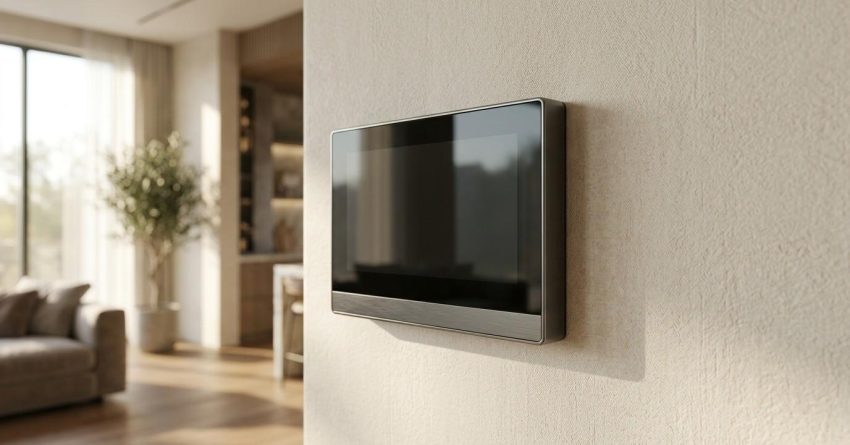
- Smart home systems, security panels, and garage door operation
- Warranty documentation, reporting procedures, and service contact information
Key Home Systems Covered During Builder Orientation
Your builder will spend the most time on the systems that require active homeowner involvement to maintain properly. Understanding each one during the orientation prevents avoidable damage and keeps your warranty intact.
HVAC and Ventilation Systems
Your heating, ventilation, and air conditioning system is one of the most expensive components in your home and one of the most maintenance-dependent. During the orientation, the builder representative will show you where the air handler, furnace, and condenser unit are located, how to access and replace the air filter, and how to program the thermostat.
You will also learn about the ventilation system, including bathroom exhaust fans, kitchen range hoods, and any heat recovery ventilators included in the build. Builders in newer construction often install high-efficiency systems that require specific filter types and replacement intervals — typically every 30 to 90 days depending on household conditions.
Understanding how your heating and cooling system works during the builder walkthrough helps you recognize early warning signs — our HVAC services explains the full range of maintenance, repair, and replacement options available to homeowners.
Plumbing and Water Systems
The plumbing walkthrough covers the location of your main water shutoff valve, individual fixture shutoffs under sinks and behind toilets, the water heater temperature setting, and any pressure-reducing valves installed on the supply line.
Your builder should also show you the cleanout access points for your drain lines and explain the grading requirements around your foundation that prevent water from pooling against the structure. In homes with a sump pump, the orientation will include a demonstration of how the pump operates and what the alarm system indicates.
Knowing where your main shutoff valve is located and how your water heater operates can prevent costly emergencies — explore our plumbing services to understand what professional plumbers inspect, repair, and maintain in residential properties.
Electrical Panels and Circuit Breakers
The electrical walkthrough begins at the main service panel, where the builder representative will walk through every labeled breaker and explain which circuits serve which areas of the home. You will learn how to reset a tripped breaker, identify GFCI outlets and test their reset buttons, and locate any subpanels installed in garages or outbuildings.
Builders are required to label every breaker clearly, but it is worth verifying each label during the orientation by testing circuits individually. Mislabeled panels are one of the most common issues reported in new construction and can create confusion during an emergency.
Your builder orientation should include a clear explanation of your panel layout and breaker labeling — our electrical services outlines what licensed electricians handle, from panel upgrades to outlet inspections and safety assessments.
How to Prepare for Your Builder Orientation Appointment
Arriving prepared makes the difference between a productive orientation and a rushed walkthrough that leaves you with unanswered questions. Bring a notepad, a phone for photos and video, and a printed checklist of every system you want to review.
Walk through the home independently before the appointment if your builder allows access. Note anything that looks incomplete, misaligned, or inconsistent with your contract specifications. These observations become your punch-list items — minor deficiencies the builder is responsible for correcting before or shortly after closing.
If your builder orientation reveals minor punch-list items that need attention after move-in, our handyman services explains how skilled professionals handle small repairs, adjustments, and installations quickly and reliably.
Questions to Ask Your Builder During the Walkthrough
Use the orientation to get specific answers to the following questions:
- What is the filter replacement schedule for the HVAC system, and what filter size does it require?
- Where is the main water shutoff valve, and how do I operate it quickly in an emergency?
- Which breakers control which rooms, and are all labels verified?
- What is the water heater set to, and what is the recommended temperature range?
- What maintenance tasks are required to keep the builder warranty valid?
- How do I report a warranty claim, and what is the response timeline?
- Are there any systems or materials that require a specific cleaning product or maintenance method?
- What is the grading requirement around the foundation, and how do I maintain it?
Document every answer with notes or video. Warranty disputes often come down to what was communicated during the orientation, and having a record protects you.
What Happens After the Builder Orientation
The orientation appointment marks the beginning of your active homeownership responsibilities. Within the first week after move-in, complete the following steps to protect your investment and your warranty coverage.
Register all appliances with their manufacturers using the model and serial numbers provided in your appliance documentation packet. Most manufacturers require registration within 30 days of installation to activate the full warranty period.
Review your builder warranty document in detail and note every reporting deadline. Most new construction warranties follow a tiered structure: a one-year workmanship warranty, a two-year systems warranty covering plumbing, electrical, and HVAC, and a ten-year structural warranty covering the foundation and load-bearing components.
Plumbing and roofing issues are among the most common post-move-in discoveries — our water damage services explains how professionals assess, contain, and restore damage before it spreads to structural components.
Warranty Coverage and Service Timelines
Builder warranties in the United States typically follow the 1-2-10 structure established by most state construction codes and warranty programs. The one-year workmanship period covers visible defects in materials and installation quality. The two-year systems period covers mechanical failures in plumbing, electrical, and HVAC systems. The ten-year structural period covers defects in the load-bearing elements of the home.
Report any defect in writing as soon as you discover it. Verbal reports are difficult to enforce, and most builders require written notice within a specific timeframe to process a warranty claim. Keep copies of all correspondence and document every issue with dated photographs.
Common Home System Issues Found After Move-In
New construction homes are not immune to defects. The most frequently reported issues in the first year of occupancy fall into predictable categories that the builder orientation should have addressed.
Settlement cracks in drywall and ceilings are the most common complaint in newly built homes. Minor hairline cracks along seams and corners are normal as the structure settles, but cracks wider than one-eighth of an inch or cracks that appear at structural connections warrant a professional assessment. Our drywall and ceiling explains how professionals assess, patch, and refinish these surfaces to restore a clean finish.
HVAC performance issues — including uneven temperatures between floors, excessive noise from ductwork, or a system that short-cycles — are frequently traced back to improper duct sizing or installation errors that were not visible during the orientation. These issues should be reported to the builder within the two-year systems warranty window.
Roof flashing gaps and improper drainage are frequently missed during builder orientations but become visible within the first season — our roofing services covers inspections, repairs, and full replacements for residential properties.
Other common post-move-in issues include:
- Grout cracking in tile installations due to substrate movement
- Door and window alignment problems caused by frame settling
- Exterior caulking gaps around windows, doors, and penetrations
- Slow drains caused by construction debris in drain lines
- Condensation on windows indicating seal failure in insulated glass units
When to Call a Professional Home Service Provider
Not every issue discovered after move-in falls under builder warranty coverage, and not every problem can wait for a warranty response. Knowing when to call an independent professional protects your home and your family.
Call a professional immediately for any issue involving active water intrusion, electrical faults, gas odors, or HVAC failure during extreme weather. These are safety issues that cannot wait for a warranty claim process.
For issues that fall within the warranty period but require faster resolution than the builder’s response timeline allows, an independent professional can assess the problem, document it thoroughly, and provide a written report that supports your warranty claim.
Knowing which issues require immediate professional attention and which can wait is a skill every homeowner develops over time — our home maintenance guide provides a practical framework for prioritizing repairs and scheduling seasonal upkeep.
For issues outside the warranty scope — cosmetic upgrades, additional fixtures, or modifications to the original build — a qualified home service provider can complete the work without affecting your remaining warranty coverage, provided the work does not alter covered systems.
Conclusion
A home systems orientation by your builder gives you the foundational knowledge to operate, maintain, and protect every major system in your new home. Understanding what was covered, documenting what was communicated, and acting on warranty timelines immediately after move-in are the three steps that separate prepared homeowners from those who face avoidable problems.
The first year in a new home reveals how well the build was executed and how well you were prepared during the orientation. Issues that surface early are almost always easier and less expensive to resolve than those discovered after warranty periods expire.
At Mr. Local Services, our team of skilled professionals is ready to support you through every stage of homeownership — from post-orientation punch-list repairs to ongoing maintenance, system upgrades, and emergency response across every service category your property needs.
Frequently Asked Questions
What is the purpose of a home systems orientation by a builder?
A home systems orientation is a structured walkthrough conducted by your builder to teach you how to operate, maintain, and report issues with every major system in your new home. It also marks the official start of your builder warranty period.
How long does a builder orientation typically take?
Most builder orientations last between one and three hours depending on the size of the home and the number of systems installed. Larger homes with smart home features, multiple HVAC zones, or complex plumbing layouts typically require more time.
What should I bring to my builder orientation appointment?
Bring a notepad, your phone for photos and video, a printed checklist of systems to review, and a copy of your contract specifications. Having these materials ready helps you document everything covered and identify any discrepancies.
What is the 1-2-10 builder warranty structure?
The 1-2-10 warranty structure covers one year of workmanship defects, two years of mechanical systems coverage for plumbing, electrical, and HVAC, and ten years of structural warranty for the foundation and load-bearing components of the home.
Can I bring a third party to my builder orientation?
Yes. Most builders allow homeowners to bring a real estate agent, family member, or independent home inspector to the orientation. Having a second person present helps capture more information and provides a witness to what was communicated.
What happens if I miss something during the builder orientation?
Contact your builder’s warranty department in writing as soon as possible. Most builders offer a follow-up walkthrough or allow homeowners to submit questions after the appointment. Document every concern with photographs and written descriptions.
When should I call an independent professional instead of the builder?
Call an independent professional immediately for safety issues including active water leaks, electrical faults, gas odors, or HVAC failure. For non-emergency issues, contact the builder first within the warranty window, but engage an independent professional if the builder’s response timeline creates a risk of further damage.