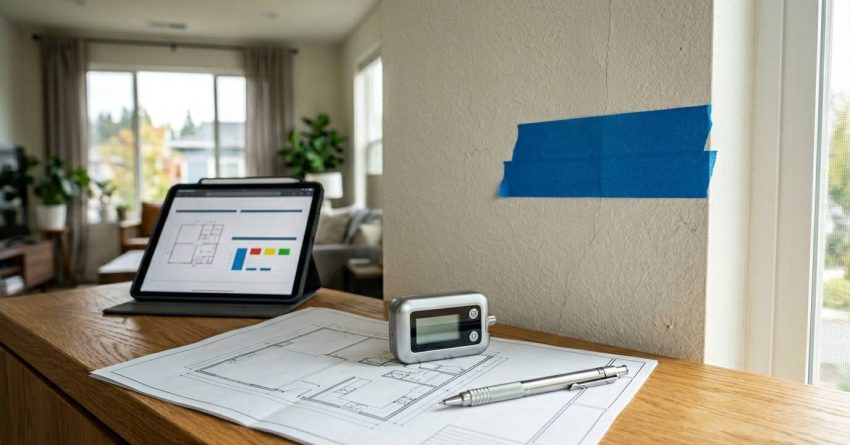
Documenting defects correctly is the single most important step in getting a warranty claim approved. Without clear evidence — photos, written descriptions, and accurate dates — even legitimate defects can be denied. Homeowners, landlords, and property managers who approach this process with a structured method protect their investment and avoid costly disputes.
Skipping proper documentation is one of the most common reasons warranty claims fail, leaving property owners responsible for repairs that should have been covered.
This guide walks through every step: identifying eligible defects, conducting a thorough inspection, recording evidence properly, and submitting a complete, well-organized claim package.
What Counts as a Warranty-Eligible Defect?
Not every problem with a property qualifies for warranty coverage. Before you begin documenting anything, you need to know whether the issue you are dealing with falls within the scope of your warranty.
Most home warranties and builder warranties cover defects that result from faulty materials, poor workmanship, or system failures — not from normal wear and tear, owner neglect, or accidental damage. A crack in a foundation wall caused by improper construction is a covered defect. A scuff on a baseboard from moving furniture is not.
Understanding what qualifies as a covered defect starts with knowing how home warranty coverage works — our complete guide explains what plans typically include, what they exclude, and how to evaluate your policy before filing.
Structural vs. Cosmetic Defects
Structural defects affect the integrity of the building itself. These include issues with foundations, load-bearing walls, roof framing, and major systems like plumbing and electrical. Most warranties treat structural defects as high-priority and cover them for longer periods — often one to ten years depending on the warranty type.
Cosmetic defects involve surface-level issues: paint imperfections, minor drywall blemishes, or small gaps in trim work. These are typically covered only during a short initial period, often 30 to 90 days after closing or project completion. After that window closes, cosmetic issues are generally the owner’s responsibility.
Workmanship vs. Material Failures
A workmanship defect occurs when a contractor installs something incorrectly — a roof flashing applied without proper overlap, for example, or flooring laid without adequate expansion gaps. A material defect occurs when the product itself fails — a shingle that cracks prematurely or a pipe fitting that corrodes ahead of its rated lifespan.
Both types are typically covered, but the documentation requirements differ. Workmanship defects often require evidence of the installation method, while material defects may require the failed component itself or manufacturer records showing the product’s expected performance life.
How to Inspect Your Property for Defects
A systematic inspection is the foundation of any successful warranty claim. Walking through a property without a plan leads to missed defects and incomplete documentation. A structured approach ensures you capture every issue before the warranty window closes.
Start with the exterior: roof, gutters, siding, foundation, windows, and doors. Move inside and work room by room — ceilings, walls, floors, doors, windows, plumbing fixtures, electrical outlets, and HVAC vents. Do not skip utility spaces like attics, crawl spaces, and mechanical rooms. These areas hide some of the most significant defects.
A thorough walkthrough is easier when you have a structured starting point — our property inspection checklist covers every major system and surface area so nothing gets missed before you file.
Room-by-Room Inspection Checklist
Use this sequence for every interior space:
- Ceiling: Look for water stains, cracks, sagging, or uneven texture.
- Walls: Check for cracks, gaps at corners, bubbling paint, or separation at trim lines.
- Floors: Test for squeaks, soft spots, uneven surfaces, or gaps between boards.
- Windows and doors: Open and close each one. Note sticking, gaps, broken seals, or drafts.
- Electrical: Test every outlet and switch. Note any that are non-functional or warm to the touch.
- Plumbing: Run every faucet and flush every toilet. Check under sinks for moisture or staining.
- HVAC vents: Confirm airflow at every register. Note any unusual odors or sounds from the system.
Record every finding immediately. Do not rely on memory.
When to Bring in a Professional Inspector
Some defects are not visible to the untrained eye. Hidden moisture behind walls, improper electrical grounding, and structural movement often require specialized equipment to detect. If you suspect a significant defect but cannot confirm it visually, a licensed home inspector or structural engineer can provide a formal assessment that carries significant weight in a warranty claim.
A professional inspection report adds credibility to your claim and can be the deciding factor when a warranty provider disputes whether a defect exists.
How to Document Defects Properly
Finding a defect is only the beginning. How you record it determines whether your claim succeeds. Warranty reviewers evaluate documentation for completeness, accuracy, and clarity. Vague descriptions and blurry photos are the fastest way to have a valid claim questioned or denied.
Proper documentation is only one part of a successful outcome — understanding the full warranty claims process helps you know exactly what reviewers look for when evaluating your submission.
Photo and Video Evidence Standards
Every defect needs visual evidence. Follow these standards for every photo and video you capture:
- Shoot in good lighting. Natural light or a bright work light eliminates shadows that obscure defect details.
- Capture context first. Take a wide shot showing the defect’s location within the room or on the exterior. Then take a mid-range shot. Then a close-up.
- Include a reference object. Place a coin, tape measure, or ruler next to the defect in at least one photo to show scale.
- Record video for active defects. A leaking pipe, a door that will not close, or a floor that flexes under weight is far more compelling on video than in a still image.
- Do not edit or filter photos. Submit original, unaltered images. Edited photos can raise questions about authenticity.
Store all photos and videos in a dedicated folder organized by defect type and location. Back up everything to a second location immediately.
Written Defect Logs and Descriptions
A written log accompanies every piece of visual evidence. Each entry should include:
- Location: Room name, wall (north/south/east/west), floor level, or exterior zone.
- Description: What the defect looks like, how large it is, and what you believe caused it.
- Discovery date: The exact date you first noticed the defect.
- Current condition: Whether the defect is stable, worsening, or causing secondary damage.
Write descriptions in plain, factual language. Avoid speculation about causes unless you have evidence. “A 14-inch horizontal crack runs along the base of the north foundation wall in the basement” is far more useful than “there is a crack in the basement.”
If you need guidance on structuring written defect descriptions for maximum clarity, a dedicated resource on how to write a defect description for a warranty claim walks through the exact format warranty reviewers expect.
Timestamps, Dates, and Chain of Custody
Dates matter in warranty claims. Most warranties have strict filing windows — typically 30 days to one year from the date of discovery, depending on the defect type and warranty terms. Missing a deadline because of poor record-keeping is an avoidable loss.
Enable automatic date and time stamping on your camera or phone before taking any photos. If your device does not embed metadata, write the date on a piece of paper and include it in the frame of each photo.
Keep a running log of every action you take: when you discovered the defect, when you photographed it, when you contacted the warranty provider, and when you received any response. This chain of custody protects you if the claim is disputed or escalated.
How to Submit a Warranty Claim with Your Documentation
Once your documentation is complete, the submission process requires the same level of organization as the inspection and recording steps. A disorganized claim package — even one with strong evidence — creates delays and gives reviewers reason to request additional information.
What to Include in Your Claim Package
A complete claim package typically includes:
- A completed claim form (provided by your warranty company or builder)
- A written defect log with one entry per defect
- All photos and videos, labeled and organized by defect
- Any professional inspection reports related to the defects
- Copies of your warranty agreement and relevant coverage sections
- A timeline of events from discovery to submission
Submit everything in one organized package rather than sending documents in multiple separate communications. Number your attachments and reference them in your written log so reviewers can match each description to its corresponding evidence.
If your claim is approved and repairs are needed, connecting with trusted home repair services ensures the work is completed to the standard required by your warranty terms.
Common Submission Mistakes to Avoid
Even well-documented claims can be delayed or denied because of avoidable submission errors. The most common mistakes include:
- Filing after the deadline. Know your warranty’s filing window and submit before it closes — not on the last day.
- Submitting incomplete forms. Every field on a claim form exists for a reason. Blank fields trigger follow-up requests and slow the process.
- Sending low-quality photos. Blurry, dark, or uncropped images force reviewers to ask for replacements.
- Failing to reference your warranty terms. Cite the specific section of your warranty that covers each defect. This shows you understand your coverage and reduces back-and-forth.
- Not keeping copies. Always retain a complete copy of everything you submit, including the date and method of submission.
What Happens After You File a Warranty Claim?
After submission, the warranty provider reviews your documentation and determines whether the defect is covered. This process can take anywhere from a few days to several weeks depending on the complexity of the claim and the provider’s workload.
Timelines, Follow-Ups, and Dispute Resolution
Most warranty providers are required to acknowledge receipt of a claim within a set number of business days — often five to ten. If you do not receive acknowledgment within that window, follow up in writing and keep a record of your communication.
If the claim is approved, the provider will typically schedule an inspection by their own representative before authorizing repairs. If the claim is denied, you have the right to request a written explanation and, in most cases, to appeal the decision. A dedicated resource on why warranty claims get denied and how to appeal covers the most common denial reasons and the steps to challenge them effectively.
When defects involve moisture intrusion or water damage, acting quickly matters — professional water damage repair can prevent secondary issues that complicate your claim and increase repair costs.
For minor defects that fall outside warranty coverage, skilled handyman repair help can address the issue quickly without the need for a full contractor engagement.
Conclusion
Documenting defects for warranty claims is a process that rewards preparation, precision, and consistency. Homeowners and property managers who inspect systematically, record thoroughly, and submit completely give their claims the strongest possible foundation.
The difference between an approved claim and a denied one often comes down to the quality of evidence — not the severity of the defect. Clear photos, accurate written logs, and organized submission packages protect your rights under any warranty.
At Mr. Local Services, our network of skilled professionals supports every stage of property maintenance and repair — from identifying defects to completing warranty-approved work with the quality and transparency your property deserves.
Frequently Asked Questions
What types of defects are typically covered under a home warranty?
Home warranties generally cover defects resulting from faulty workmanship, defective materials, or system failures. Structural issues, plumbing, electrical, and HVAC problems are commonly included. Normal wear and tear, cosmetic damage, and owner-caused damage are typically excluded.
How soon after discovering a defect should I file a warranty claim?
File as soon as possible after discovery. Most warranties require claims to be submitted within 30 days to one year of the defect being found, depending on the defect type. Waiting too long can void your right to coverage even if the defect is legitimate.
Can I document defects myself or do I need a professional?
You can document defects yourself using photos, videos, and written logs. However, for hidden or complex defects — such as structural movement or concealed moisture damage — a licensed inspector or engineer provides a formal report that carries more weight with warranty reviewers.
What happens if my warranty claim is denied?
If your claim is denied, request a written explanation from the warranty provider. Review the denial against your warranty terms and gather any additional evidence that supports your case. Most warranties include a formal appeals process, and some disputes can be escalated to mediation or legal action if necessary.
Does documenting defects help if I need to escalate to legal action?
Yes. Thorough documentation — timestamped photos, written logs, professional inspection reports, and a complete communication record — forms the evidentiary foundation for any legal dispute. Courts and arbitrators rely on doc