Construction projects carry real legal risk — and most homeowners don’t realize it until something goes wrong. Whether you’re managing a home renovation, dealing with a contractor dispute, or facing property damage from defective work, a construction attorney protects your rights and your investment. Understanding when to hire one and what they actually do can save you thousands of dollars and months of frustration.
Construction disputes are more common than most property owners expect, and the consequences of unresolved issues can affect your property’s safety, value, and livability for years.
This guide explains what construction attorneys do, the specific situations that call for legal help, and how to find the right attorney to protect your property and your interests.
What Does a Construction Attorney Do?
A construction attorney is a licensed legal professional who specializes in the laws, contracts, and disputes that govern construction projects. They work with homeowners, landlords, property managers, contractors, and developers to navigate the legal side of building, renovating, and repairing property.
Their work falls into two broad areas: preventing problems before they start and resolving problems after they occur.
Construction attorneys are most commonly needed during renovation and remodeling projects — our remodeling services guide covers what professional remodeling work involves, what contracts should include, and how to set clear expectations with your contractor before work begins.
Contract Review and Drafting
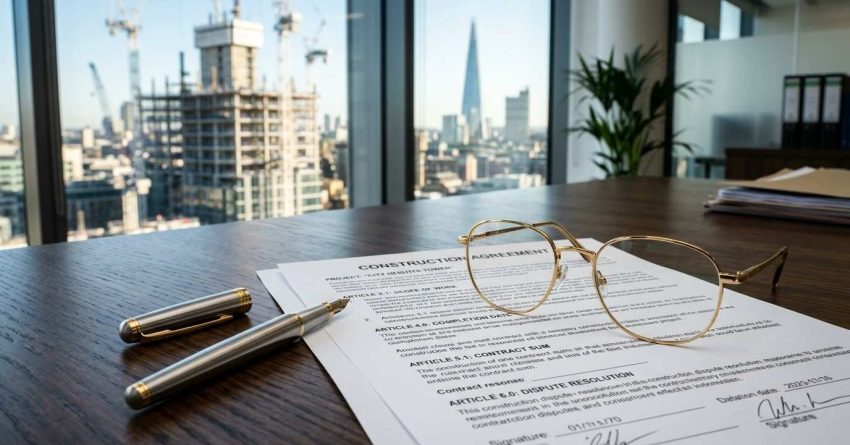
Before any construction work begins, a construction attorney reviews or drafts the contract between you and your contractor. A well-written contract defines the scope of work, payment schedule, project timeline, materials to be used, and what happens if either party fails to meet their obligations.
Most homeowners sign contractor agreements without legal review. This is one of the most common reasons disputes escalate — vague language, missing clauses, and one-sided terms leave property owners with little legal recourse when problems arise.
Dispute Resolution and Litigation
When a project goes wrong, a construction attorney steps in to negotiate, mediate, or litigate on your behalf. This includes disputes over incomplete work, cost overruns, contractor abandonment, defective materials, and property damage caused by negligent construction practices.
Not every dispute ends in court. Many are resolved through demand letters, mediation, or arbitration — all of which a construction attorney manages on your behalf.
When Should You Hire a Construction Attorney?
Timing matters. The earlier you involve a construction attorney, the more options you have and the stronger your legal position becomes.
Before Signing a Construction Contract
The best time to hire a construction attorney is before you sign anything. Contract review at this stage costs far less than litigation later. An attorney identifies unfair terms, missing protections, and clauses that could leave you liable for costs or delays that are not your fault.
This is especially important for large projects — full home renovations, additions, new construction, and major structural work where the financial stakes are high and the scope of work is complex.
When a Contractor Abandons a Project
Contractor abandonment is a serious legal situation. When a contractor stops work without completing the project, you may be left with an unsafe structure, exposed materials, and a significant financial loss. You may also face claims from subcontractors or suppliers who were not paid by your general contractor.
A construction attorney helps you document the abandonment, recover funds, file claims against the contractor’s bond or insurance, and pursue legal remedies. When a contractor abandons a project mid-way, unfinished work can quickly lead to structural exposure and moisture intrusion — our water damage restoration explains how professionals assess and repair damage caused by incomplete or negligent construction work.
After Property Damage or Defective Work
If a contractor’s work causes property damage or fails to meet building codes and industry standards, you have legal grounds to pursue compensation. This includes structural failures, water intrusion from improper installation, fire hazards from faulty electrical or HVAC work, and cosmetic defects that reduce your property’s value.
Defective construction work frequently involves improper drywall installation, ceiling damage, or structural finishing failures — our drywall repair services outlines what professional remediation looks like and what standards qualified contractors are expected to meet.
Why Homeowners and Property Managers Need Legal Protection
Homeowners and property managers are in a uniquely vulnerable position when it comes to construction projects. Unlike commercial developers, most residential property owners lack experience with construction contracts, building codes, and contractor licensing requirements.
This knowledge gap is exactly what unscrupulous contractors exploit. Vague contracts, inflated change orders, unlicensed subcontractors, and abandoned projects are all more common in residential construction than most people realize.
Property managers face additional exposure. When managing multiple properties, a single contractor dispute can affect several units simultaneously, creating compounding financial and legal liability. A construction attorney provides the legal framework to protect your assets, enforce your contracts, and hold contractors accountable when they fail to deliver.
Common Construction Disputes a Lawyer Can Resolve
Construction attorneys handle a wide range of disputes that arise during and after residential and commercial projects.
Roofing projects are among the most common sources of construction disputes due to improper installation, material substitution, and warranty failures — our roofing contractor disputes explains what professional roofing work should include and what to look for when evaluating contractor performance.
The most frequent disputes construction attorneys resolve include:
- Breach of contract — contractor fails to complete work as specified
- Mechanic’s liens — unpaid subcontractors or suppliers place a lien on your property
- Construction defects — work that fails to meet code, contract specifications, or industry standards
- Payment disputes — disagreements over change orders, final billing, or withheld payments
- Contractor abandonment — project left incomplete without legal justification
- Delay claims — project timelines missed without valid cause, resulting in financial loss
- Insurance and warranty disputes — contractor or insurer refuses to honor coverage for defective work
Each of these situations has specific legal remedies available, and a construction attorney knows which approach is most effective for your circumstances.
How to Choose the Right Construction Attorney
Not every attorney handles construction law. When searching for legal representation, look for attorneys who specifically practice construction law and have experience with residential projects similar to yours.
Key factors to evaluate include their track record with contractor disputes, familiarity with your state’s contractor licensing laws and building codes, and their approach to dispute resolution — whether they prefer negotiation or litigation.
Ask for references from past clients who faced similar situations. Review their fee structure carefully, as some construction attorneys work on contingency for certain dispute types while others charge hourly rates.
Not every property issue requires legal action — many repair and maintenance problems can be resolved quickly by working with qualified professionals from the start, and our trusted handyman services shows how vetted tradespeople help homeowners avoid disputes before they escalate.
What to Expect When Working With a Construction Lawyer
The process typically begins with an initial consultation where the attorney reviews your contract, project documentation, and the nature of your dispute. They assess the strength of your legal position and outline your options.
From there, most attorneys start with a formal demand letter to the contractor. This often resolves disputes without litigation. If the contractor does not respond or refuses to comply, the attorney escalates to mediation, arbitration, or civil court depending on the contract terms and the severity of the dispute.
Throughout the process, your attorney manages all communication with the contractor and their legal team, gathers evidence, coordinates expert witnesses when needed, and keeps you informed at every stage. Most residential construction disputes are resolved within three to twelve months, depending on complexity and whether the case goes to court.
Legal disputes often begin with poorly managed projects — connecting with qualified contractors early is the most effective prevention, and our professional remodeling help is the right starting point for homeowners planning any construction or renovation work.
Conclusion
Construction attorneys protect homeowners and property managers from the financial and legal consequences of contractor failures, defective work, and contract disputes. Knowing when to involve legal counsel — before signing, during a project, or after damage occurs — determines how effectively you can enforce your rights.
Legal protection and quality contractors work together. The best outcome for any property owner is a project completed correctly the first time, with clear contracts and qualified professionals.
At Mr. Local Services, we connect homeowners and property managers with skilled, vetted professionals across every service category — helping you avoid disputes before they start and keeping your property safe, functional, and well-maintained.
Frequently Asked Questions
Do I need a construction attorney before signing a contractor agreement?
Yes. Having an attorney review your contract before signing is the most cost-effective legal protection available. It identifies unfair terms and missing clauses before work begins, when your negotiating position is strongest.
How much does a construction attorney cost?
Fees vary by case type and attorney. Initial consultations often range from free to a few hundred dollars. Hourly rates for construction attorneys in the USA typically fall between $150 and $400 per hour, depending on experience and location.
Can a construction attorney help me recover money from a bad contractor?
Yes. A construction attorney can pursue compensation through demand letters, mediation, arbitration, or civil litigation. They can also help you file claims against a contractor’s surety bond or insurance policy.
What is a mechanic’s lien and should I be worried about it?
A mechanic’s lien is a legal claim placed on your property by an unpaid subcontractor or supplier. It can prevent you from selling or refinancing your home until the debt is resolved. A construction attorney can help you dispute or remove an improper lien.
When is it too late to hire a construction attorney?
It is rarely too late. Statutes of limitations for construction defects and contract disputes vary by state, but most allow several years from the date of discovery. Consult an attorney as soon as you identify a problem to preserve your legal options.
Can a construction attorney help with insurance claims related to contractor damage?
Yes. If a contractor’s work caused damage that your insurer or the contractor’s insurer is refusing to cover, a construction attorney can negotiate with the insurance company and pursue legal remedies if the claim is wrongfully denied.
Do construction attorneys handle disputes for landlords and property managers?
Yes. Construction attorneys regularly represent landlords and property managers in disputes involving renovation contractors, maintenance vendors, and commercial construction projects across multiple properties.